

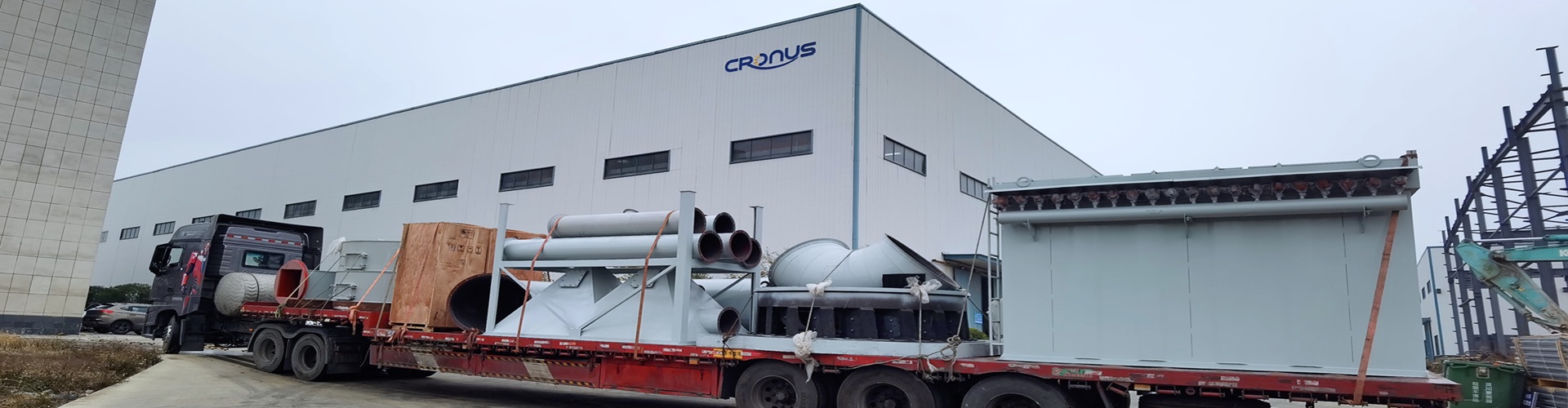
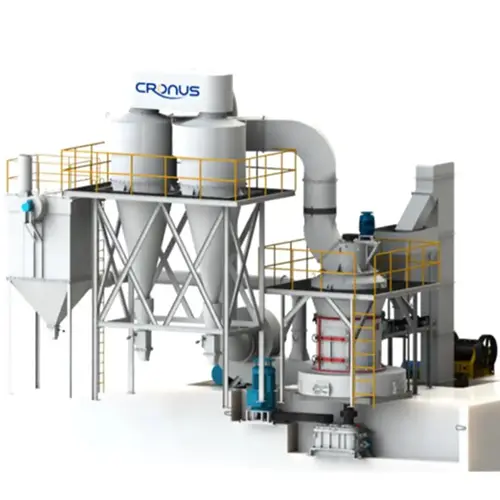
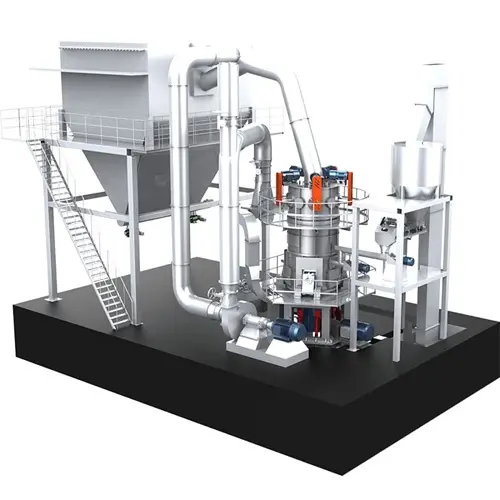
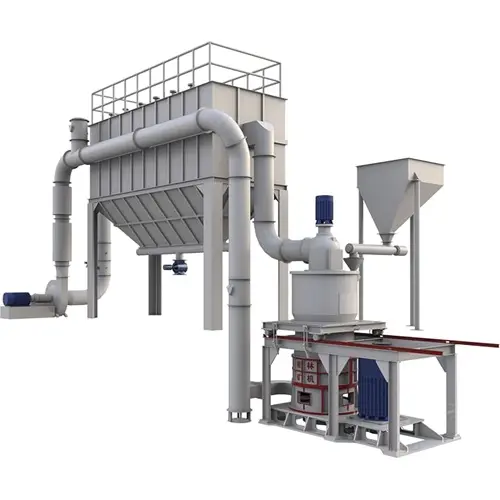
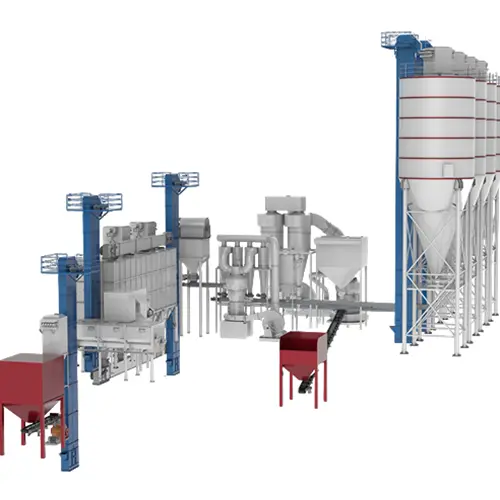
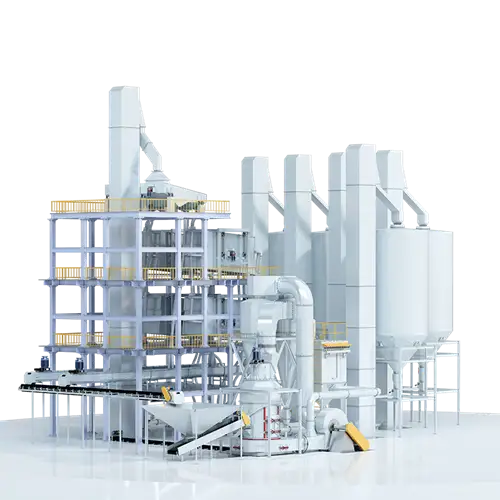
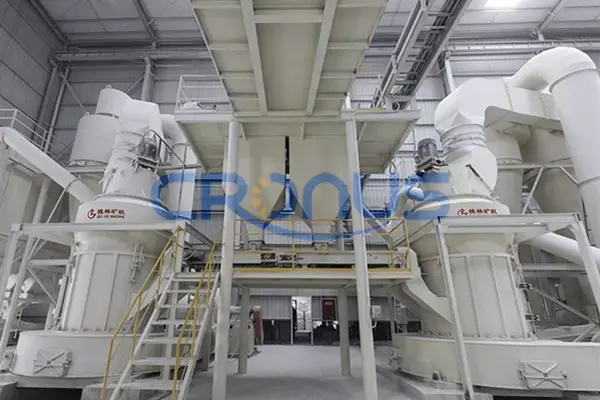
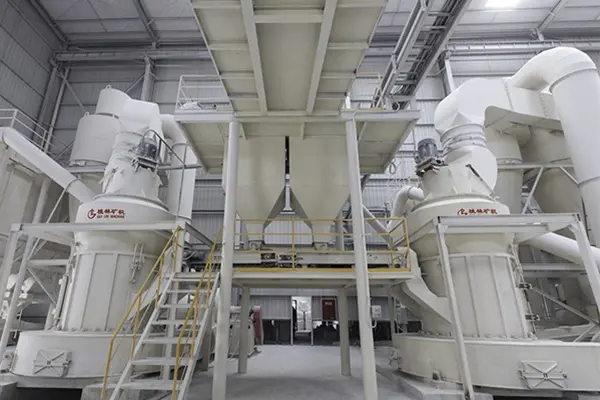
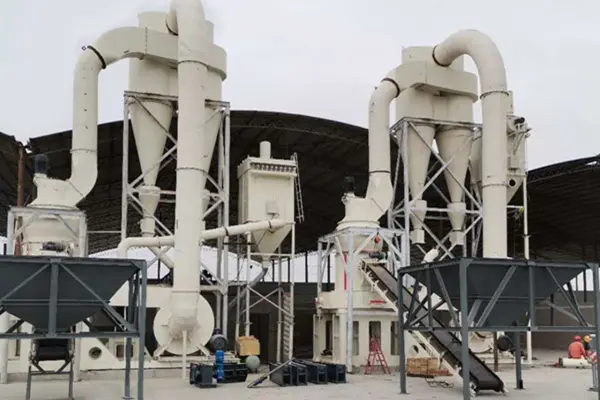
A grinding production line is an integrated industrial system designed to continuously and automatically process bulk raw materials into fine powders of specified fineness through a series of coordinated processes, including crushing, conveying, grinding, classification, collection, and dust removal. A typical grinding line is primarily composed of powder processing equipment such as jaw crushers, bucket elevators, belt feeders, grinding mills, classifiers, cyclone collectors, and pulse‑jet dust collectors. It is widely used in powder processing across various fields, including non‑metallic minerals, metal ores, industrial solid waste, and chemical raw materials. With 50 years of dedicated focus on powder processing, Cronus Machinery has accumulated profound mechanical expertise. We support the performance upgrade and modification of Raymond mills based on specific material characteristics, and offer customers comprehensive, one‑stop, and tailored solutions.
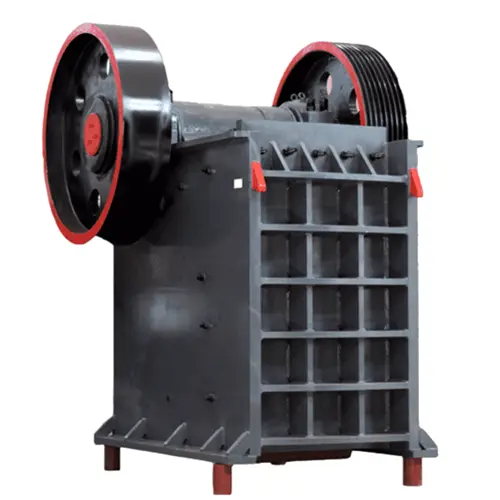
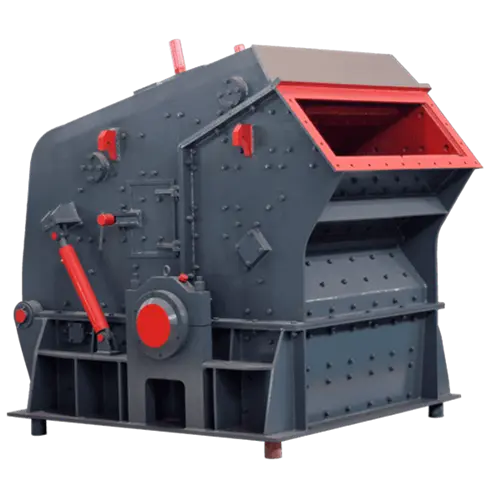
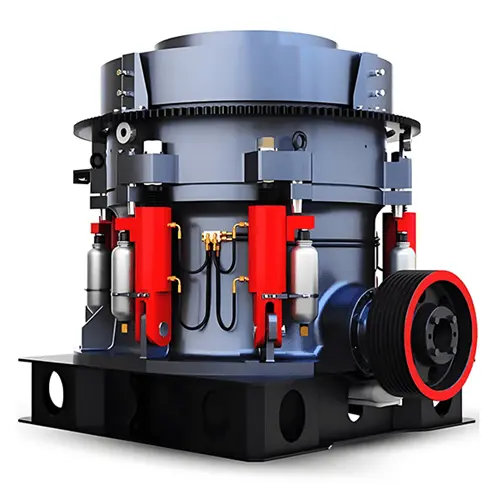
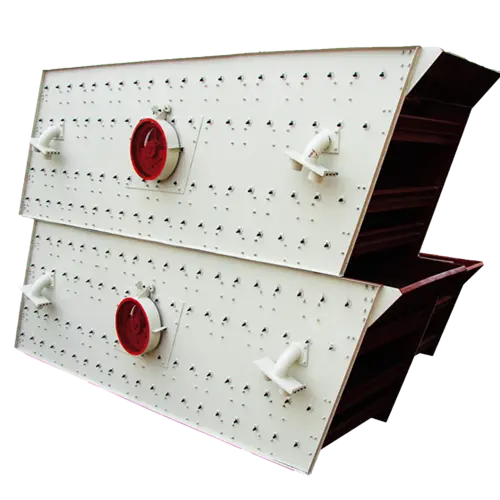
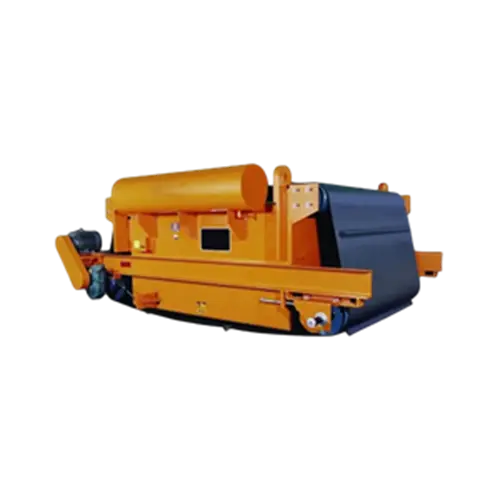
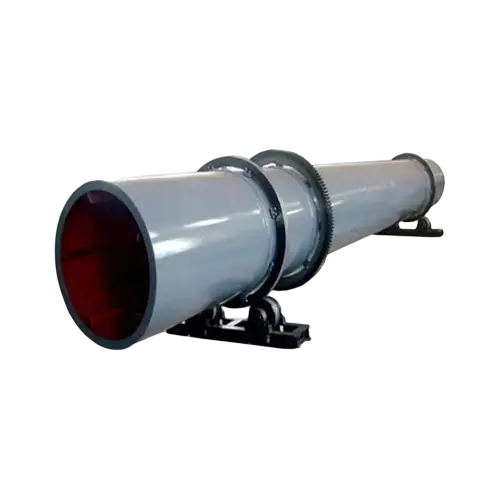
To meet the feeding requirements of the grinding mill, raw materials must undergo pre-processing before entering the mill. Typically, a jaw crusher is used to reduce the material to a particle size of ≤35 mm, thereby reducing the load on the subsequent grinding process. For challenging materials with high moisture content, high hardness, or other complex characteristics, additional equipment such as dryers, iron separators, vibrating screens, impact crushers, and cone crushers may be required. This enables processes like drying, impurity removal, screening, and multi-stage crushing, ensuring that the subsequent grinding process receives high-quality raw materials that are stable in composition, uniform in particle size, clean, and dry. This approach enhances grinding efficiency and powder quality, ensuring the highly efficient and stable operation of the entire grinding production line.
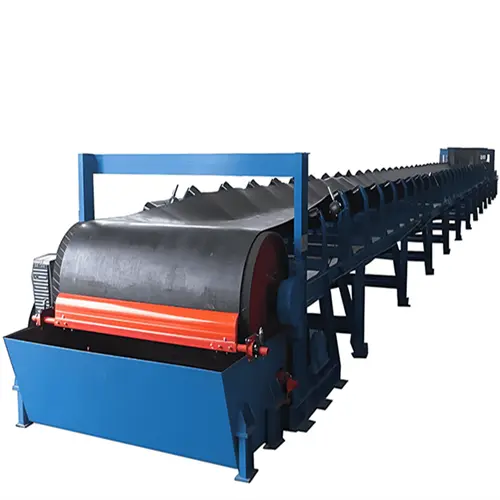
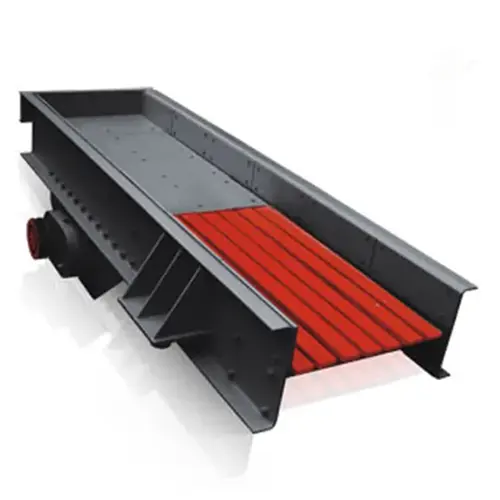
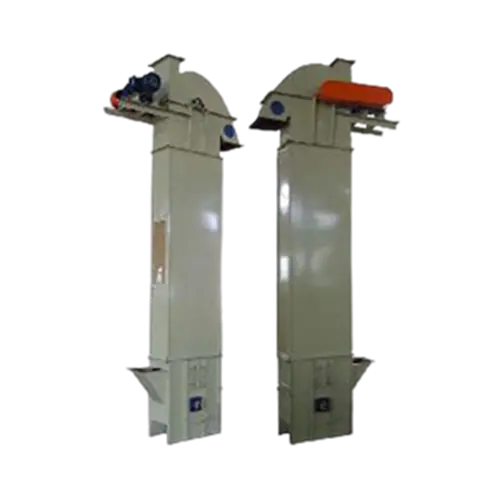
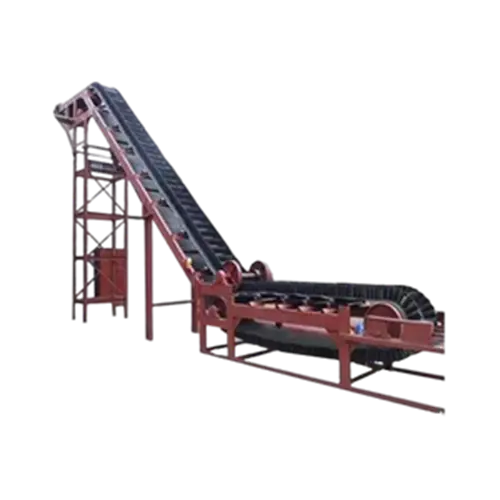
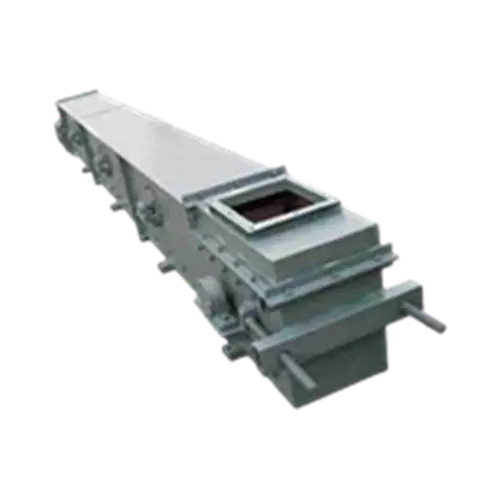
Processed materials (with particle size ≤35mm and moisture content ≤1%) are typically transported to the storage hopper of the grinding mill by a bucket elevator (for vertical conveying) or a belt conveyor (for horizontal conveying) for buffering, ensuring a continuous supply. Subsequently, the material is fed into the main unit of the grinding mill continuously, steadily, and in a metered manner via feeding equipment. Common feeding equipment includes belt feeders and vibrating feeders. Belt feeders offer precise dosing and strong adaptability, capable of handling challenging materials such as damp, sticky, or high-temperature ones. Vibrating feeders, on the other hand, provide uniform feeding with a simple and efficient structure, and are primarily suitable for dry, loose, free-flowing small-particle materials.
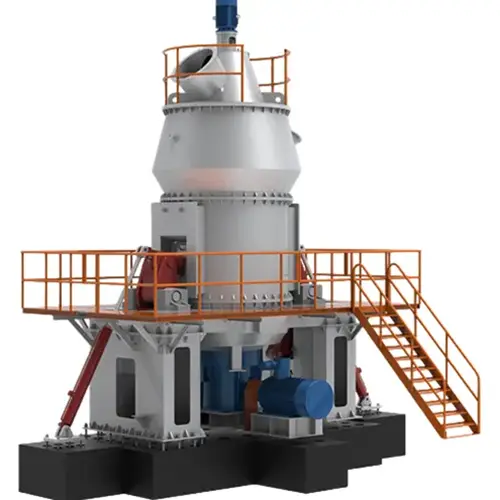
Upon entering the grinding mill, the material undergoes pulverization. By adjusting the classifier speed and the system air volume, the powder fineness is precisely controlled. Qualified fine powder is promptly separated, while unqualified coarse particles are returned for re-grinding, forming a closed-circuit loop. Common grinding equipment includes Raymond mills, vertical roller mills, and ultrafine grinding mills. Raymond mills are typically used in grinding production lines for fineness ranging from 80 to 400 mesh. Ultrafine grinding mills are employed for ultrafine grinding lines targeting 400 to 2500 mesh. Vertical mills, on the other hand, are suitable for large-scale, high-capacity grinding production lines. Additionally, for specialized processes and materials such as calcium hydroxide (slaked lime or hydrated lime) or sand-powder co-production, customized production lines and dedicated equipment are required to meet specific production needs.
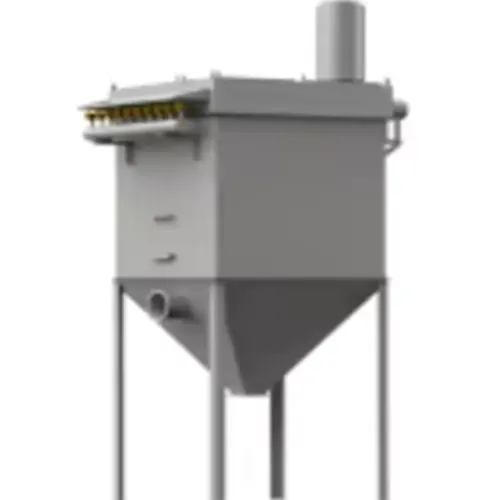
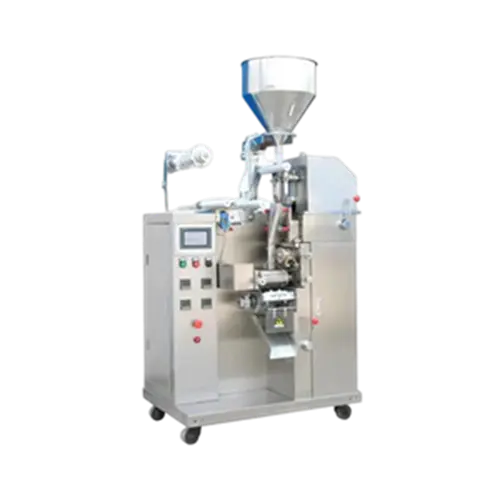
The qualified powder after grinding and classification is carried by the air flow into the dust collection system, which typically consists of a cyclone collector and a pulse-jet bag filter. The cyclone collector separates and collects the majority of the finished fine powder, while the pulse-jet bag filter recovers and purifies the ultrafine dust. The collected finished powder can be directly packaged or undergo further deep processing such as surface modification or granulation based on market demand, thereby significantly enhancing the product's added value.
Recommendations
Telephone/WhatsApp:+8619921221418
Email:sales@shcronus.com
Address:No.8666,Hunan Road,Pudong District, Shanghai,China
 Home
Home Products
 Solutions
 Call
Call