

-
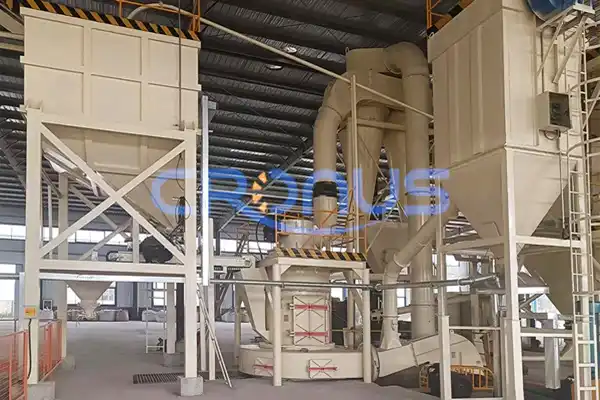 Many manufacturers claim that the Integrated Sand and Powder Grinding Machine can co-produce qualified powder and finished sand. However, some users report that the sand produced is mostly mixed coarse material and cannot be used directly. This paper analyzes whether it can achieve sand-powder combined production, and provides applicable scenarios.
 -
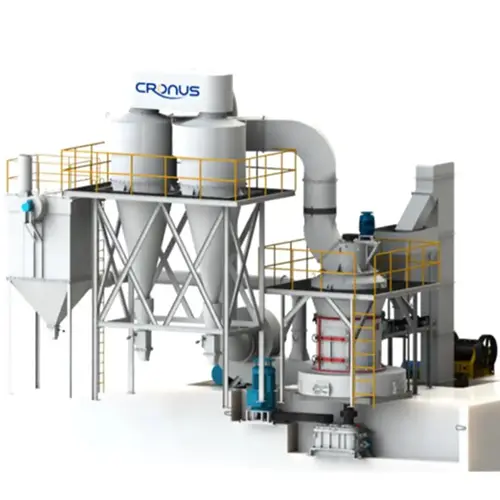
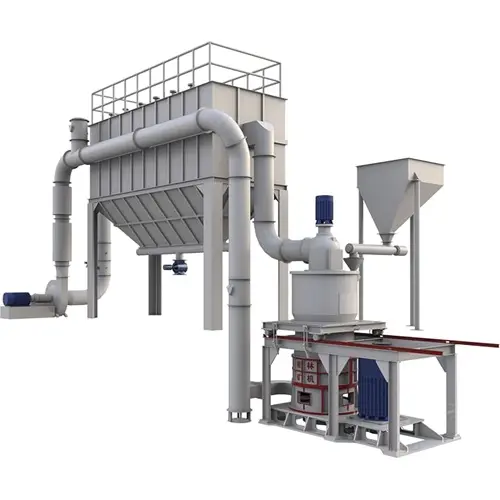
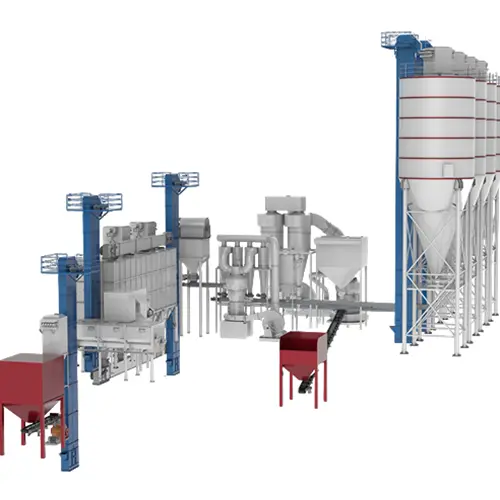
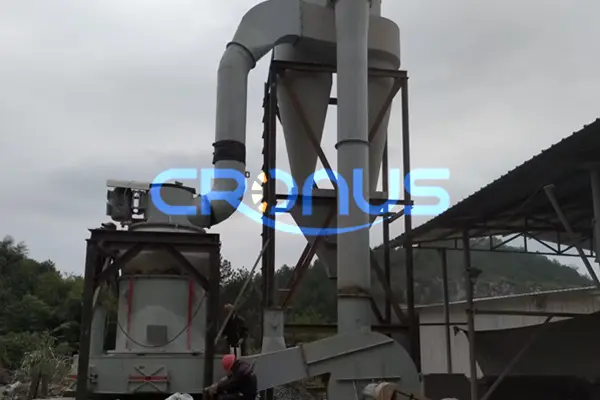 The working principle of a Raymond mill is not simply about crushing and grinding. This article, drawing on over 50 years of industry experience from Cronus Machinery, systematically explains the working mechanism of the Raymond mill from the aspects of system composition, process flow, and grinding principle.
 -
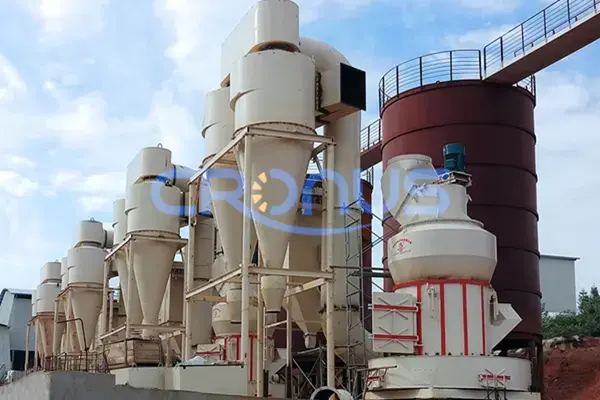 Regardless of the name, the capacity and efficiency of any Raymond mill are ultimately determined by its three core systems: grinding capability, pneumatic conveying efficiency, and powder collection performance. The healthy development of the Raymond mill industry requires manufacturers to align with the real needs of the market and users.
 -
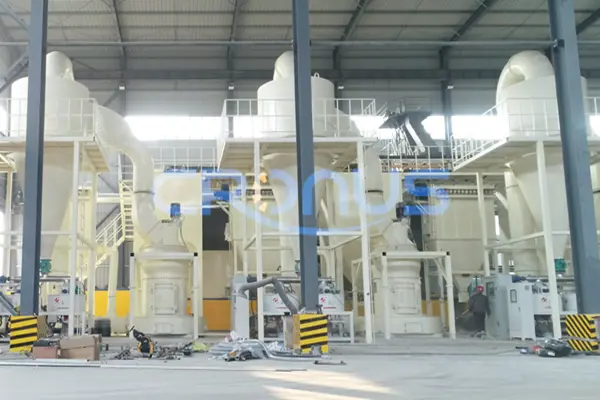 The cylindrical rotor for Raymond mill is not a complete replacement for the traditional inverted cone rotor, but a dedicated technical upgrade for working conditions requiring medium-low mesh and high output.The inverted cone rotor is still the most widely adopted mainstream solution in the Raymond mill industry.
 -
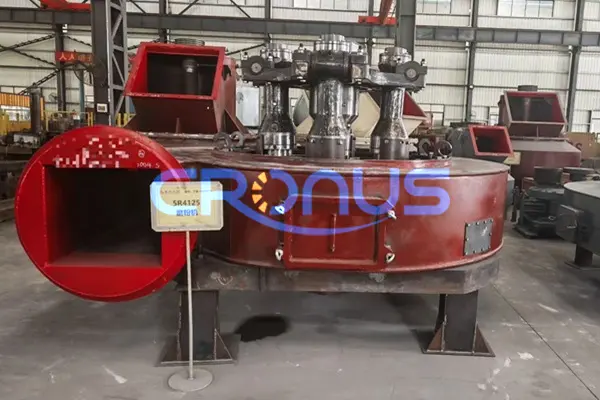 The difference between the suspension type and the vertical swing type Raymond mills lies in the suspension structure of the roller assembly and the direction of the swing axis. The vertical swing type optimizes the negative swing angle defect of the suspension type, but its later maintenance and operation costs are significantly higher than those of the suspension type structure.
 -
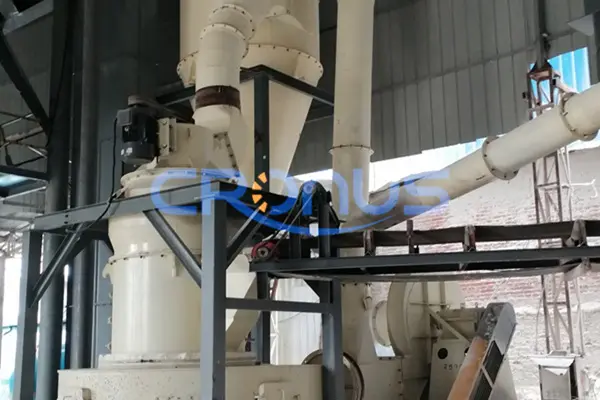 Common limestone grinding equipment includes Raymond mills, vertical roller mills, and ultra-fine grinding mills. The primary factors in equipment selection are the physical properties of the limestone and the intended industrial application of the finished powder, while the specific type of limestone mainly affects process details such as moisture drying.
 -
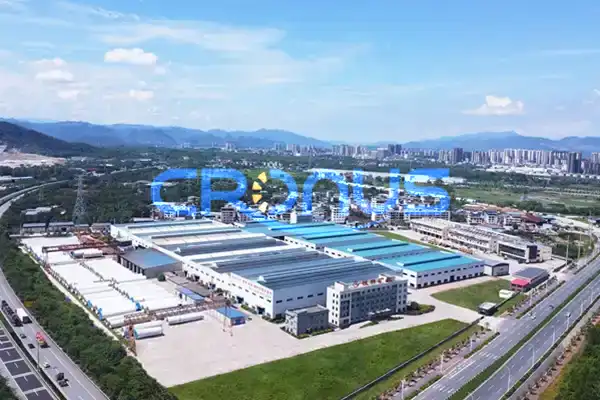 If you are looking for equipment that is stable, durable, energy-efficient, and environmentally compliant, while also expecting full-process support from a single unit to a complete production line, Cronus Machinery—an original manufacturer with 50 years of technical expertise, participation in industry standard setting, and over 60 patents—is one of the high-quality enterprises worth prioritizing.
 -
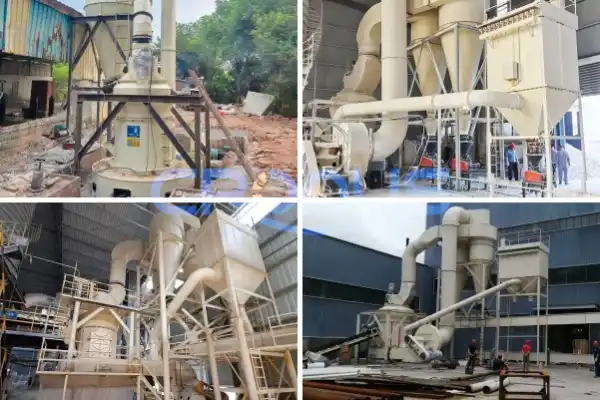 In the 6R/5R/4R/3R Raymond mill models, the letter "R" stands for Roller, while the number indicates the performance level rather than the exact number of rollers. More rollers provide a larger grinding area, but factors such as grinding ring diameter also affect equipment performance. Therefore, when selecting a mill model, one should not focus solely on the number of rollers.
 Home
Home Products
 About
About Call
Call