

Comparison Analysis of 6R/5R/4R/3R Raymond Mill Models
- Time:2026-04-09
- Views:35
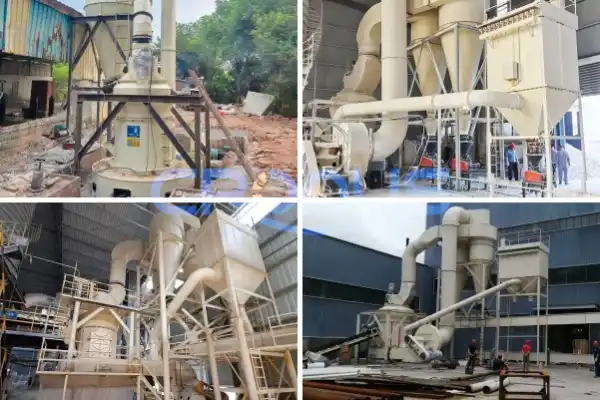
In the 6R/5R/4R/3R Raymond mill models, the letter "R" stands for Roller, while the number indicates the performance level rather than the exact number of rollers. More rollers provide a larger grinding area, but factors such as grinding ring diameter also affect equipment performance. Therefore, when selecting a mill model, one should not focus solely on the number of rollers.
Naming RulesFeatures & AdvantagesFAQs
Naming Rules for R-Series Raymond Mills
In the names of 6R/5R/4R/3R Raymond mills, the letter "R" stands for Roller, while the number indicates the performance level rather than the exact number of rollers. For example, the 4R3320 Raymond mill represents a small to medium-sized Raymond mill with 3~4 rollers, not necessarily 4 rollers.
| Performance Levels of R-Series Raymond Mills | |||
| 3R | 4R | 5R | 6R |
| Small | Small to Medium | Medium to Large | Extra Large |
| 3~4 rollers | 3~4 rollers | 4~5 rollers | 5~6 rollers |
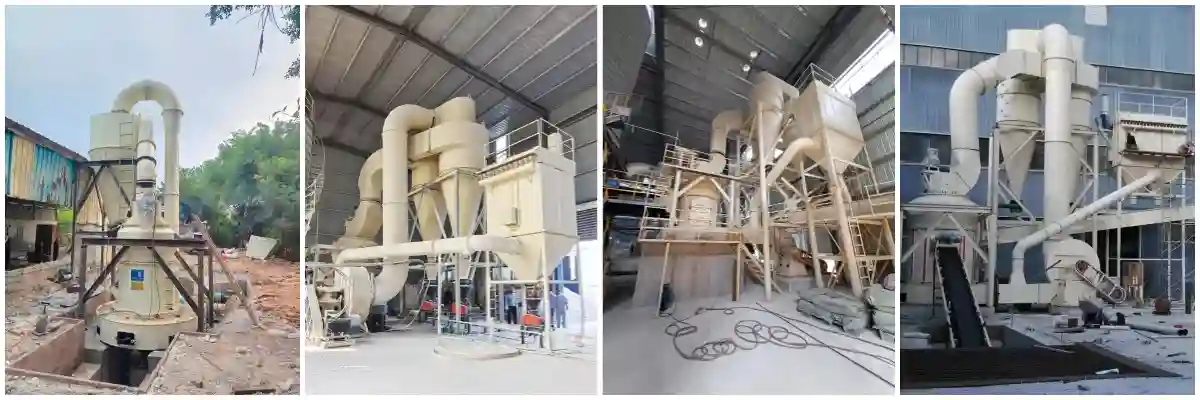
Features & Advantages of 6R/5R/4R/3R Raymond Mills
| R-Series Raymond Mill Comparison | ||||
| Comparison Attribute | 3R Raymond Mill | 4R Raymond Mill | 5R Raymond Mill | 6R Raymond Mill |
| Performance Level | Small | Small to Medium | Medium to Large | Extra Large |
| Grinding Ring Diameter | 830~970 mm | 970~1073 mm | 1280~1400 mm | 1600~1770 mm |
| Single-Unit Capacity | 1~6 t/h | 1.5~18 t/h | 5~40 t/h | 11.5~80 t/h |
| Core Advantage | Small equipment, low investment | Wide application, high cost-effectiveness | Uniform product fineness, high passing rate | High single-unit capacity, low specific energy consumption |
| Application Scenarios | Small-scale, space-constrained projects | Small to medium production lines | Industrial production with fineness requirements | Large-scale continuous production |
3R Raymond Mill
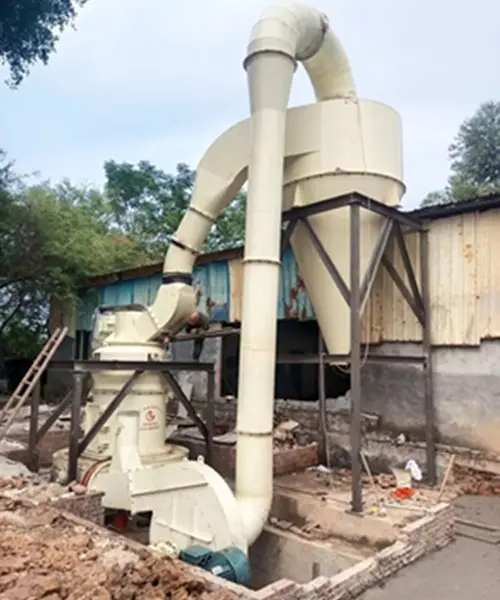
The 3R Raymond mill features a grinding ring diameter of 830~970 mm and primarily 3 rollers (a few models have 4 rollers). It is compact with a small footprint and low overall weight (4~5 tons), offering low investment cost, making it suitable for small-batch production and space-constrained projects.
4R Raymond Mill
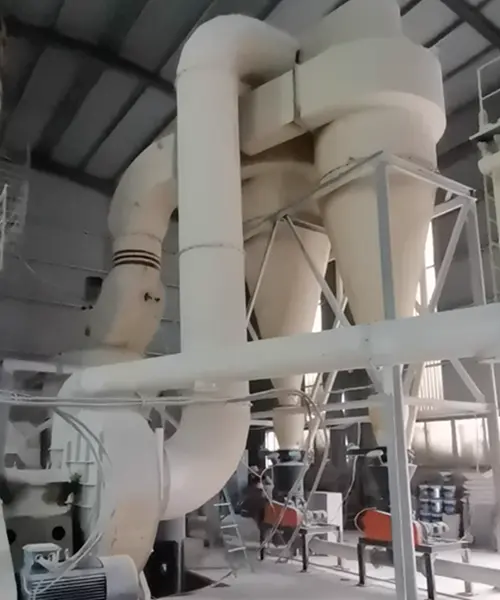
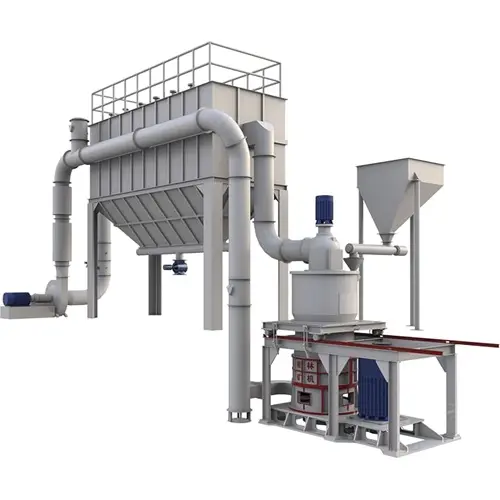
The 4R Raymond mill features a grinding ring diameter of 970~1073 mm and primarily 4 rollers (a few models have 3 rollers). Compared to the 3R Raymond mill, it offers a larger grinding area, 50%~80% higher capacity, strong versatility, and high cost-effectiveness, making it suitable for most small to medium production lines.
5R Raymond Mill
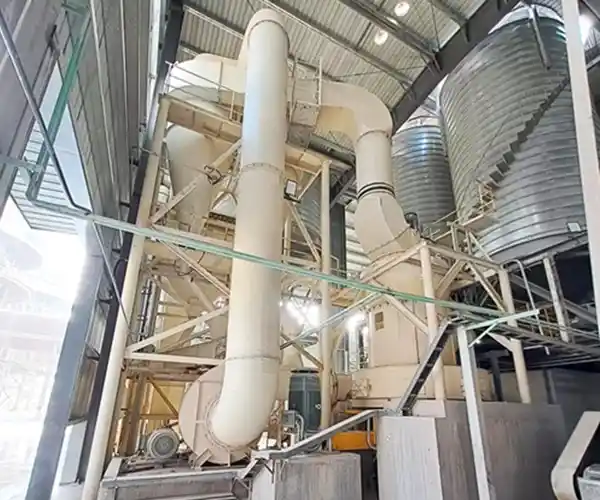
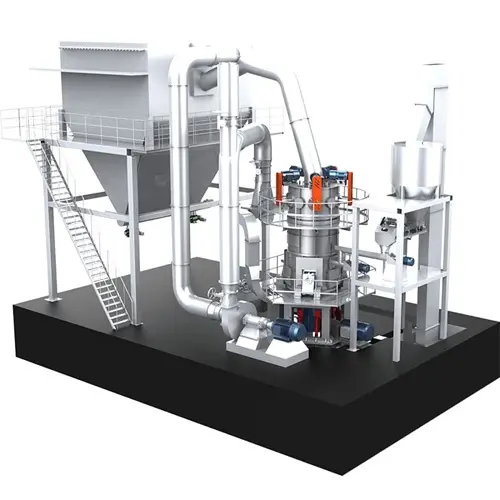
The 5R Raymond mill features a grinding ring diameter of 1280~1400 mm and primarily 5 rollers (a few models have 4 rollers). It is a medium to large equipment with significantly larger grinding area compared to the 4R Raymond mill, achieving 1.8~2 times the output. It offers more uniform product fineness and higher passing rate, suitable for industrial-scale production with fineness requirements.
6R Raymond Mill
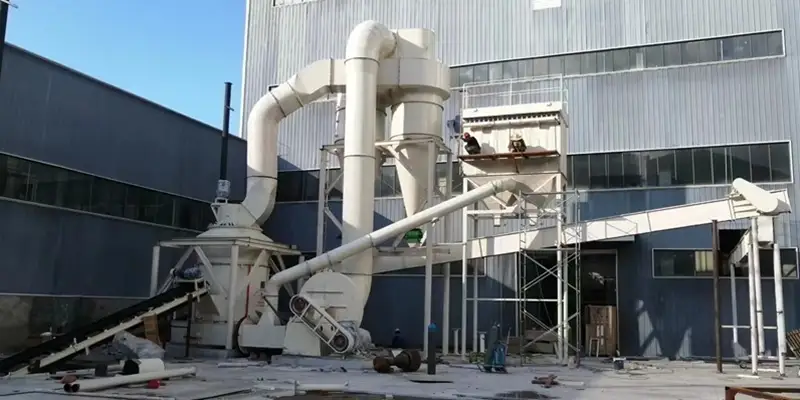
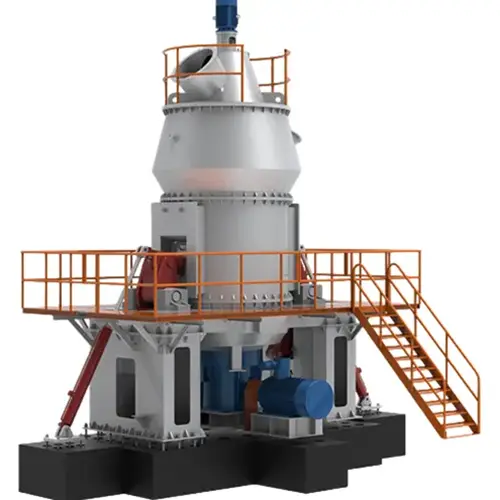
The 6R Raymond mill features a grinding ring diameter of 1600~1770 mm and primarily 6 rollers (a few models have 5 rollers). It offers high grinding efficiency and large single-unit capacity, achieving over 10 tons per hour. While the initial investment is higher, its specific energy consumption is lower than that of smaller Raymond mills, making it suitable for large-scale continuous production.
Frequently Asked Questions About R-Series Raymond Mills
How to select the right R-Series Raymond mill model?
Selection should prioritize capacity. Choose 3R for small-scale production, 4R for small to medium-scale production, 5R for industrial-scale production, and 6R for large-scale continuous production.
Is the 3R Raymond mill the smallest model available?
No. There is also the 2R extra-small model, which is a custom-designed unit primarily used for small-scale powder production with capacities ≤1000 kg/h.
Are there models larger than the 6R Raymond mill?
Yes. For example, the 7R extra-large Raymond mill is also a custom-designed unit, though it is relatively rare in the market. For detailed specifications, please contact us.
- Previous Article:Which Raymond mill manufacturer is the best?
- Next Article:Comparative Analysis of Raymond Mill and Ball Mill
 Home
Home Products
 About
About Call
Call