

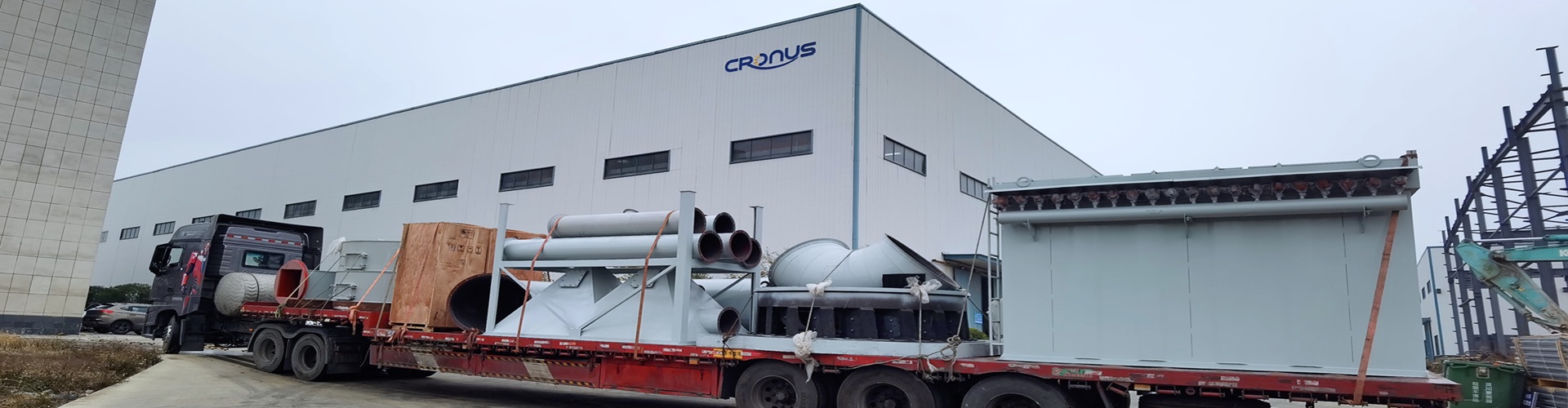
Silicon Carbide Grinding Mill and Production Line Process
- Time:2026-04-27
- Views:41
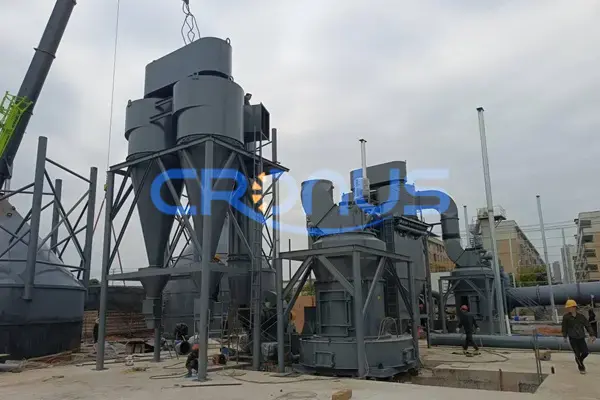
A silicon carbide grinding mill is equipment used to grind silicon carbide into powder. Due to the extremely high hardness and strong abrasiveness of silicon carbide, the production line requires multi-stage crushing and multi-stage iron removal. For conventional 80~400 mesh silicon carbide powder, a wear-reinforced Raymond mill is recommended, while for high-end 400~2500 mesh silicon carbide powder, an ultra-fine vertical roller mill that minimizes metal contamination is the preferred choice.
What is Silicon Carbide?
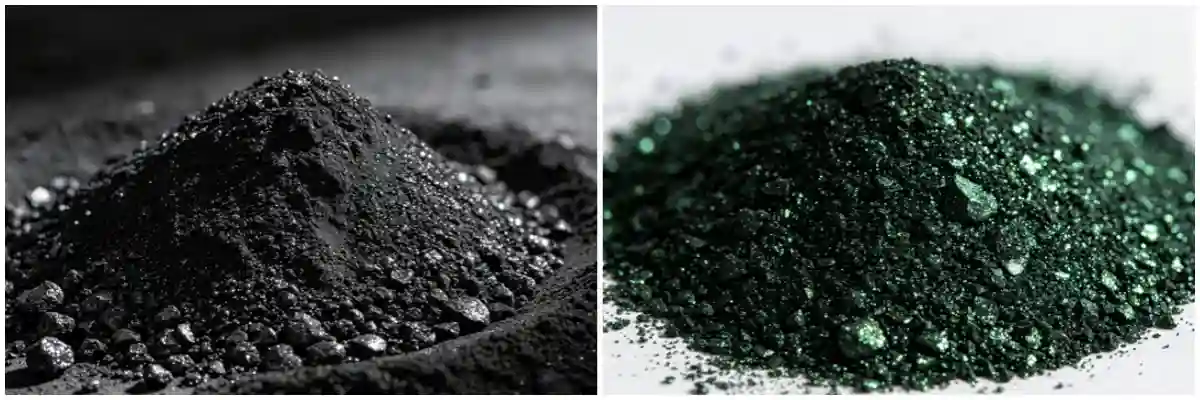
Silicon carbide (SiC) has a Mohs hardness of 9.5 and a microhardness of 3000~3300 kg/mm², second only to diamond (Mohs 10). Its melting point is approximately 2700°C. It is chemically stable, resistant to strong acids and alkalis, high temperatures, and oxidation. Its crystal structure features sharp angular edges, giving it extremely strong abrasiveness. Industrial silicon carbide is mainly divided into two types: black silicon carbide (SiC ≥ 98.0%, mainly used for abrasives and refractory materials) and green silicon carbide (SiC ≥ 99.3%, mainly used for precision polishing, semiconductors, and high-end ceramics). The core objectives of a silicon carbide grinding production line are controlling wear of wear-resistant parts and ensuring powder purity.
Key Considerations for a Silicon Carbide Grinding Production Line
Multi-Stage Crushing: Due to the high hardness of silicon carbide, it must undergo multi-stage crushing before grinding. A jaw crusher can be used for primary crushing to 30~50mm, followed by a cone crusher for secondary and tertiary crushing to ≤30mm to ensure the feed particle size meets the requirement.
Impurity Treatment: The purity requirement for silicon carbide raw material is strict (SiC content >98%). Strong magnetic separators, vibrating screens, and other equipment must be used to remove metallic impurities and free silicon from the raw material. When necessary, combined acid and alkali washing processes are also employed to remove silicon dioxide and alkali metal impurities, ensuring the raw material meets the required standards.
Equipment Wear: Silicon carbide is highly hard and abrasive. Core grinding components must be made of high-wear-resistant materials such as wear-resistant ceramics and high-chromium alloys. Note that even with high-wear-resistant materials, the degree of wear is still relatively high. During equipment operation, the replacement cycle of grinding media must be strictly controlled to ensure continuous and stable production.
Powder Homogenization: The ground powder must enter a homogenization silo for mixing and homogenization. The homogenization time should be ≥4 hours to ensure that deviations in fineness, purity, bulk density, and flowability of the finished product within the same batch are within standard ranges, effectively avoiding quality fluctuations between batches.
Safety Protection: Silicon carbide powder is chemically stable. However, ultra-fine silicon carbide micro-powder poses a dust explosion risk when it reaches a certain concentration in an enclosed environment. The raw material often contains combustible impurities like free carbon, requiring anti-static grounding measures. When processing ultra-fine powder, safety measures such as explosion-proof dust collection and nitrogen inerting must be strengthened.
How to Choose the Right Silicon Carbide Grinding Mill?
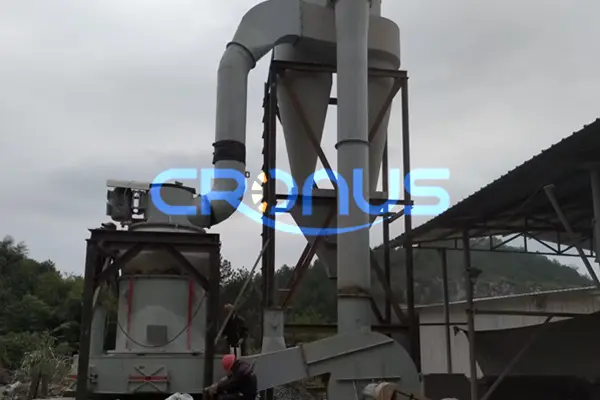
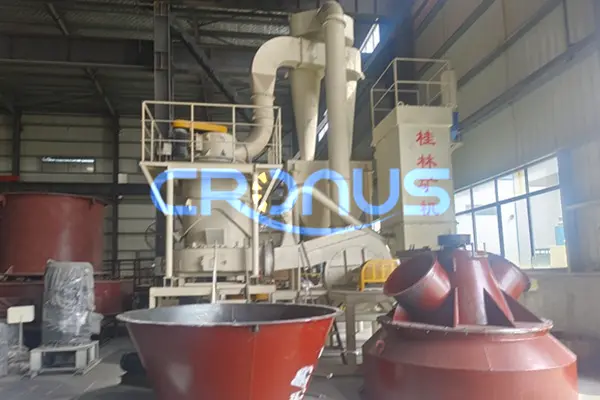
Conventional Applications: Specially Modified Raymond Mill for Silicon Carbide
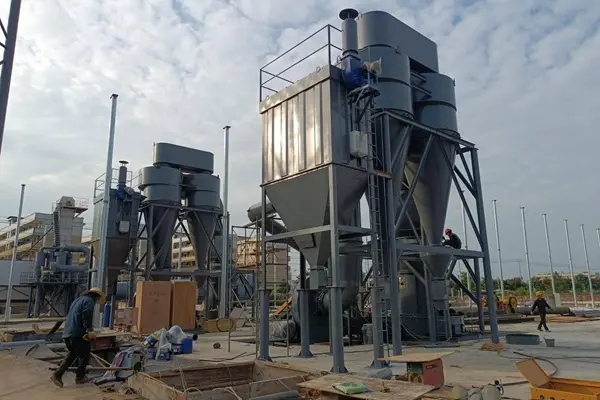
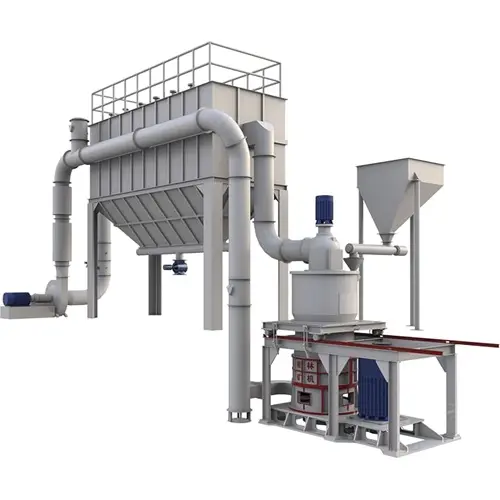
In the silicon carbide powder market, the core requirements for conventional applications (accounting for over 90% of the market) are cost-effectiveness and stable production. The requirements for fineness and purity are moderate (80~400 mesh, SiC purity 98.0%~99.0%, iron content ≤0.3%, particle size passing rate ≥90%), which is precisely where the Raymond mill excels. A wear-reinforced Raymond mill requires an investment of only 45%~55% of that of a vertical roller mill. Its parts are common and easy to source, and operation and maintenance门槛 are low. The service life of wear parts can reach 3~6 months, stably meeting the requirements for applications such as conventional bonded abrasives, refractory materials, and metallurgical deoxidizers.
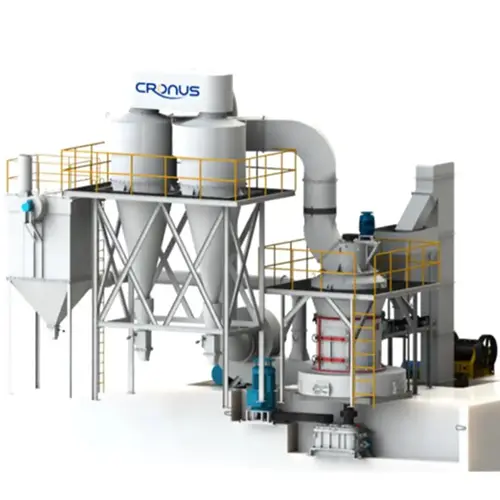
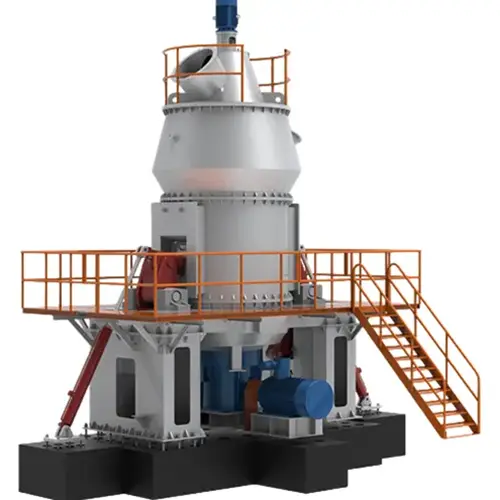
High-End Applications: Ultra-Fine Vertical Roller Mill
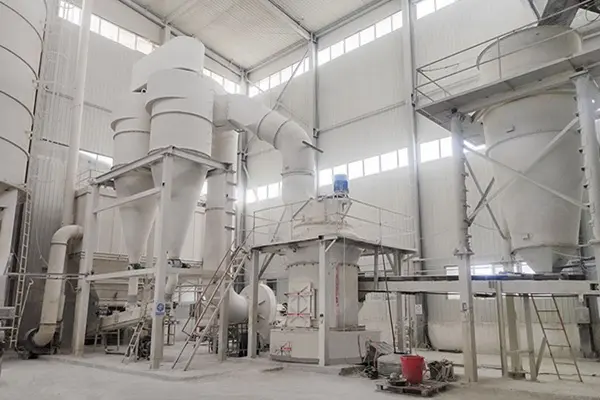
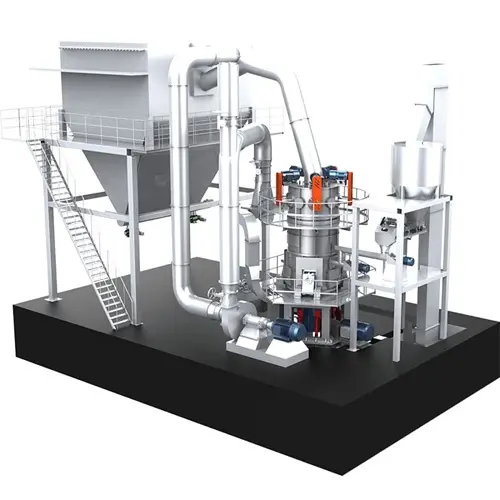
For high-end industrial applications requiring silicon carbide powder with a fineness of 400~2500 mesh, SiC purity of 99.0%~99.5%, iron content ≤50ppm (0.005%), narrow particle size distribution (Span ≤1.5), and batch deviation ≤±1%, an ultra-fine vertical roller mill is recommended. The equipment features a full-chamber wear-resistant ceramic lining, with core grinding components made of high-chromium alloy + ceramic composite rollers and table, minimizing metal contamination and effectively ensuring powder purity. It offers high classification accuracy, excellent powder particle shape, and uniform particle size, with forming quality and particle size uniformity superior to conventional ultra-fine ring roller mills. The equipment operates with low energy consumption, with power consumption per ton 25%~35% lower than that of ultra-fine ring roller mills. Roller sleeves can be turned over for extended use, resulting in longer wear parts service life and lower operation and maintenance costs. It is suitable for high-end silicon carbide applications such as precision abrasives, high-end structural ceramics, wear-resistant and anti-corrosion coatings, and medium-to-high-end precision polishing.
Process Flow of a Silicon Carbide Grinding Production Line
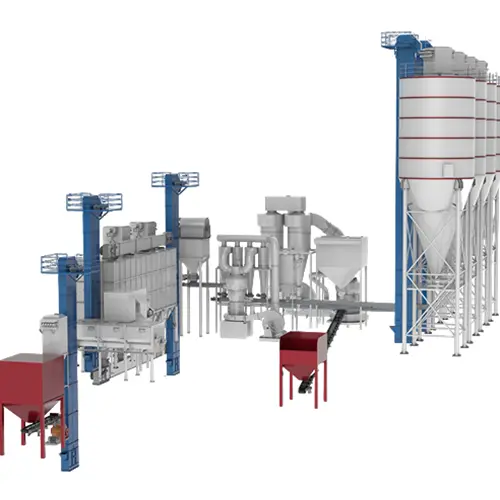
The silicon carbide raw material is first passed through a pre-magnetic separator to remove impurities, then fed into a jaw crusher for primary crushing, followed by secondary and tertiary crushing in a cone crusher, and then screened by a vibrating screen. The qualified material after screening is passed through a secondary high-intensity magnetic separator for iron removal, and then uniformly and quantitatively fed into the grinding mill by a vibrating feeder for grinding and classification. The collected finished product is then further purified by a high-gradient high-intensity magnetic separator for deep iron removal to ensure the iron content of the powder is stably within the required limits. Finally, the finished powder enters a homogenization silo for batch homogenization and blending, and after being stored in a finished product silo, it is automatically packaged and stored.
Application Scenarios of Silicon Carbide Grinding Mills
Frequently Asked Questions About Silicon Carbide Grinding
Is the maintenance cost high for a silicon carbide grinding mill?
Silicon carbide is highly hard and abrasive, so equipment wear is indeed faster than when processing ordinary materials. However, whether the maintenance cost is high or not depends critically on the choice of wear-resistant materials. If ordinary grinding parts are selected, poor wear resistance and extremely high replacement frequency will lead to frequent downtime for repairs, resulting in significant maintenance costs and time loss. Conversely, if specialized equipment designed for silicon carbide, such as a wear-reinforced Raymond mill, is chosen, although the initial investment and unit price of wear parts are slightly higher, their service life can reach 3~6 months or even longer, ensuring stable production line operation. Although wear increases maintenance costs, silicon carbide powder has high value and wide applications, so the return on investment remains attractive.
What wear-resistant material is recommended for the lining of a silicon carbide grinding mill?
Wear-resistant ceramic liners are recommended. This material has ultra-high hardness second only to diamond, offering wear resistance far exceeding that of metal materials. Its advantages include effectively preventing iron contamination and ensuring powder purity. Additionally, it has high thermal conductivity, is resistant to high temperatures, and is resistant to strong acid and alkali corrosion. Although the cost is higher, for high-purity silicon carbide powder processing or applications with strict iron content requirements, it better ensures continuous and stable production line operation.
What is the difference in the grinding process between black silicon carbide and green silicon carbide?
Black Silicon Carbide: Has a lower purity requirement. The iron removal configuration can be simplified, using conventional two-stage crushing and single-stage magnetic separation. The process prioritizes production capacity.
Green Silicon Carbide: Used in fields such as semiconductors, precision ceramics, and high-end polishing, it has extremely high requirements for powder purity and metal foreign matter content. Multi-stage iron removal and full-chamber anti-iron-contamination design are mandatory. Furthermore, metal contact during crushing and grinding stages, as well as low-temperature grinding, must be strictly controlled to prevent oxidation and discoloration, ensuring final product quality.
Recommendations
-
 How to construct a standard foundation for a Raymond Mill?
 -
 Can Sand‑Powder Integrated Machines Truly Achieve Co‑production? Equipment Selection Guide
 -
 Deep‑Dive Analysis of Working Principle of Raymond Mill
 -
 Why do the grinding roller shaft and the central shaft of a Raymond mill need to undergo heat treatm
 Home
Home Products
 About
About Call
Call