

How to choose the matching elevator for a Raymond mill?
- Time:2026-04-15
- Views:0
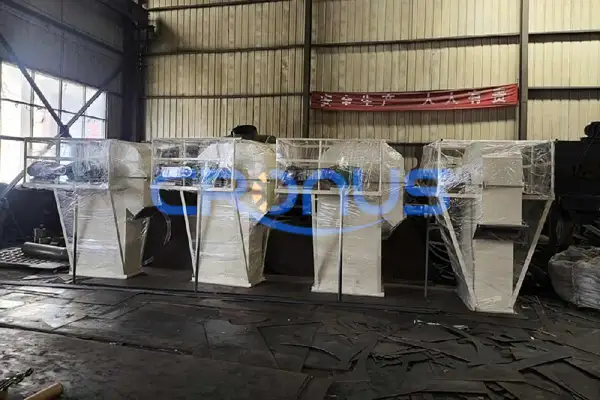
The elevator is the vertical conveying equipment for the Raymond mill. Among them, the belt bucket elevator is suitable for powdery, small-particle, and low-hardness materials. The chain bucket elevator is suitable for lumpy, medium-to-high hardness materials. The plate chain bucket elevator can handle large-block, high-hardness materials.
Function IntroductionCommon TypesSelection RecommendationsPitfall Avoidance Guide
Role of the Elevator in the Raymond Mill System
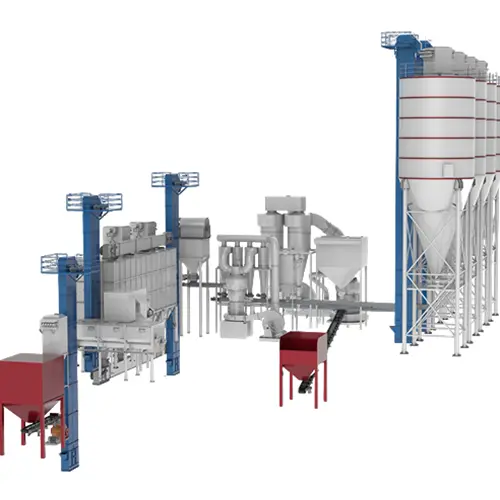
In a grinding production line, the elevator is the key equipment for vertically conveying crushed raw materials to the Raymond mill hopper. Its function is to deliver materials that have reached the required particle size into the mill in a stable and continuous manner. Improper elevator selection may lead to insufficient conveying capacity, material blockage, or even frequent equipment failures, affecting the entire production line's stability. Therefore, selecting the elevator based on material characteristics, conveying height, and output requirements is essential to ensure the efficient and stable operation of the Raymond mill.
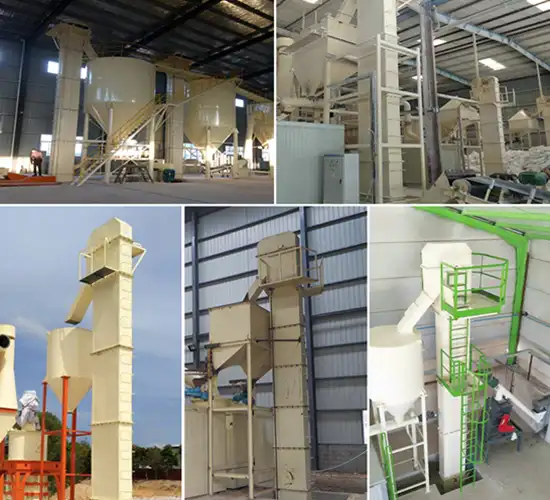
Common Types of Elevators for Raymond Mills
Common elevator types used in Raymond mill systems include the belt bucket elevator (TD type), ring chain bucket elevator (TH/HL type), and plate chain bucket elevator (NE type). The TH type is an upgraded version of the HL type, offering better conveying capacity and operational reliability.
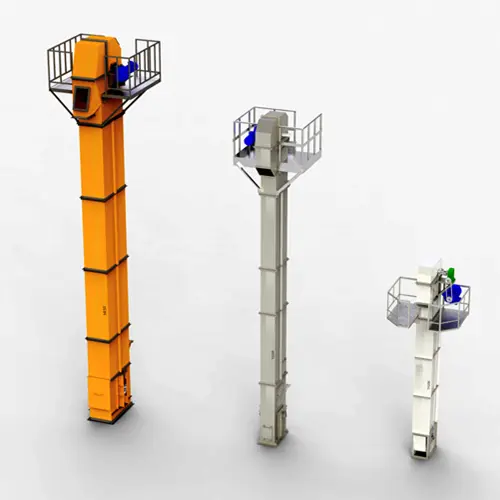
From left to right: plate chain bucket elevator, ring chain bucket elevator, belt bucket elevator
| Comparative Analysis of Common Elevators for Raymond Mills | ||
| Belt Bucket Elevator | Ring Chain Bucket Elevator | Plate Chain Bucket Elevator |
Traction element: rubber belt | Traction element: round-link chain | Traction element: plate chain (roller chain) |
| Lifting height ≤ 40m | Lifting height ≤ 50m | Lifting height ≤ 60m |
| Material temperature ≤ 80°C (heat-resistant belt ≤ 200°C) | Material temperature ≤ 250°C | Material temperature ≤ 250°C |
| Suitable for powdery, small-particle, low-hardness materials | Suitable for lumpy, medium-to-high hardness materials | Suitable for lumpy, high-hardness materials |
| Simple structure, low cost, smooth operation | Wear-resistant, heat-resistant | Heavy-duty design, high conveying capacity (≤800 m³/h) |
Selection Recommendations for Elevators for Raymond Mills
Material Temperature
Normal-temperature materials: For conventional powders ≤80°C such as calcite, talc, barite, etc., the belt bucket elevator is the first choice due to its best cost-effectiveness and smooth operation.
Medium-temperature materials: For dried materials between 80°C and 200°C, either a belt bucket elevator with a heat-resistant belt or a ring chain bucket elevator can be selected.
High-temperature materials: For hot materials between 200°C and 250°C, a ring chain bucket elevator or plate chain bucket elevator should be used. Belt bucket elevators are not suitable, as rubber belts will rapidly age and fail at such temperatures.
Material Properties
Powdery, small-particle, low-hardness materials: Such as cement, coal powder, gypsum powder, etc., choose the belt bucket elevator for the lowest cost.
Lumpy, medium-to-high hardness materials: Such as limestone, clinker, coal lumps, etc., choose a ring chain or plate chain bucket elevator. Ring chain is lower in cost, while plate chain offers better wear resistance and longer life. Belt elevators would be cut or worn through under such conditions.
Large lump, high-hardness materials: Such as iron ore, granite碎石, etc., must use a plate chain bucket elevator, as the chain has strong wear resistance and long service life.
Mill Capacity
Small production line: For Raymond mills with output ≤10 t/h, choose either a belt bucket elevator (lower cost) or a plate chain bucket elevator (slightly higher cost) based on budget.
Medium production line: For Raymond mills with output 10–30 t/h, select a belt bucket elevator (for powdery materials) or a plate chain bucket elevator (for lumpy materials) according to material characteristics.
Large production line: For Raymond mills with output >30 t/h, the plate chain bucket elevator is the first choice, offering high conveying capacity, low failure rate, and lower overall cost for long-term operation.
Lifting Height
Height ≤40m: All three types can be used, with the belt bucket elevator being the most economical.
Height 40–50m: Choose a ring chain or plate chain bucket elevator. Belt bucket elevators have high elongation and reduced stability at this height.
Height ≥50m: A plate chain bucket elevator must be used, as its plate chain structure offers the strongest load capacity, suitable for high-lift conveying.
Pitfall Avoidance Guide for Elevators for Raymond Mills
Mismatch Between Elevator Conveying Capacity and Raymond Mill
This occurs when the bucket elevator's conveying capacity is far greater or less than the Raymond mill's processing capacity. Consequences include material accumulation and mill idling if capacity is insufficient, or equipment underutilization, wasted investment, and frequent start-stops if capacity is excessive. The correct approach is to ensure the elevator's conveying capacity is slightly greater than the mill's capacity, by a factor of 1.1 to 1.2. Additionally, install a surge hopper between the elevator discharge and the mill, with capacity sufficient for 2–4 hours of mill operation, to provide buffering and regulation.
Using Standard Belt Elevator for High-Temperature Materials
This occurs when hot materials (e.g., dried limestone) exceeding 80°C are fed into a standard belt bucket elevator. The rubber belt quickly ages, cracks, or even breaks, causing equipment failure and high maintenance/replacement costs. The correct approach is to use a heat-resistant belt instead of a standard rubber belt, or switch to a heat-resistant elevator type such as a plate chain elevator.
Using Belt Elevator for High-Hardness Materials
This occurs when a belt bucket elevator is used to convey high-hardness lump materials such as iron ore. The belt is quickly cut and worn by the material, bucket bolts loosen and fall off, and equipment failures become frequent. The correct approach is to use a ring chain or plate chain bucket elevator instead, as both chain types offer higher wear resistance than rubber belts.
- Previous Article:No more!
- Next Article:What is an superfine grinding mill?
- Which Raymond mill manufacturer is the best?
- Comparison Analysis of 6R/5R/4R/3R Raymond Mill Models
- Comparative Analysis of Raymond Mill and Ball Mill
- Comparative Analysis: Raymond Mill vs. Ultrafine Ring Roller Mill
- Comparative Analysis of Raymond Mill and Vertical Mill
- 100,000 T/Y Limestone Grinding Production Line in Sichuan
 Home
Home Products
 About
About Call
Call