

Aluminum Dross Grinding Mill and Production Line Process
- Time:2026-03-25
- Views:63
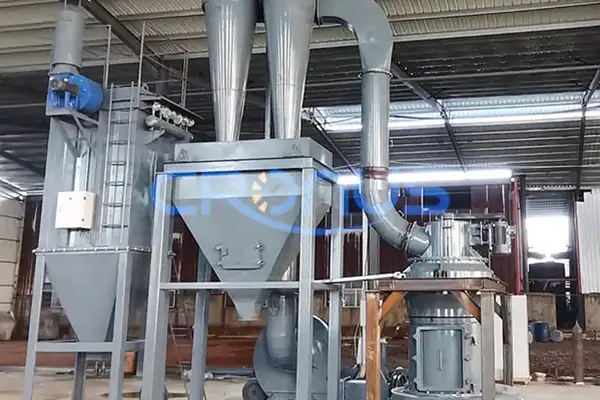
An aluminum dross grinding mill is equipment that grinds aluminum dross into powder. For primary aluminum dross, a combined process is typically adopted: a ball mill for coarse grinding and liberation, followed by a Raymond mill for fine grinding. For secondary aluminum dross, a vertical mill is the preferred choice, adopting a process mode of grinding first, then calcining, then grinding again. The production line must operate in a sealed negative-pressure environment, with proper safety explosion-proof measures and environmental protection.
What is Aluminum Dross?
Aluminum dross is a waste residue generated during aluminum industrial production, originating from all processes involving aluminum melting, including electrolytic aluminum production, recycled aluminum smelting, aluminum casting, and processing. Based on aluminum content and processing stage, aluminum dross is classified into two types: primary aluminum dross and secondary aluminum dross.
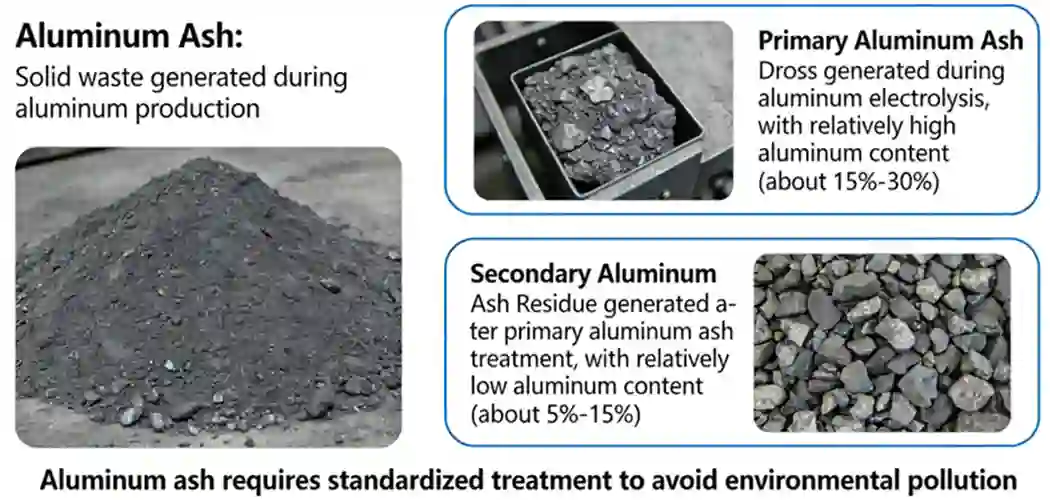
Primary Aluminum Dross: Dross directly generated during recycled aluminum smelting and electrolytic aluminum tapping processes. It has high metallic aluminum content (15%~70%), is loose in structure, contains few impurities, and is mainly used for metallic aluminum recovery.
Secondary Aluminum Dross: The residual residue after aluminum extraction from primary aluminum dross. It has relatively low aluminum content (3%~20%) but contains harmful impurities such as alumina, aluminum nitride, and salts. After grinding, it requires high-temperature calcination (1100~1300℃) treatment to achieve harmless resource utilization.
Key Considerations for Aluminum Dross Grinding Production Line
Raw Material Handling: Metallic aluminum and aluminum nitride in aluminum dross release flammable and explosive gases such as hydrogen and ammonia when exposed to water. The moisture content of aluminum dross must be controlled to ≤5% before processing, and an electromagnetic separator shall be used for iron removal to avoid sparks caused by impact of metallic impurities.
Safety and Explosion Protection: Aluminum dust can explode when exposed to an open flame at a certain concentration. The processing must be carried out in a closed negative-pressure environment, with the grinding inlet air temperature controlled at ≤80℃. Anti-static dust filter bags (surface resistance 10⁹Ω), temperature monitoring devices, and explosion vents shall be provided. The workshop shall be equipped with gas detection and forced ventilation systems, and open flames are strictly prohibited.
Environmental Protection: According to the National Hazardous Waste List (2021 Edition), aluminum dross is classified as hazardous waste with waste codes 321-024-48 and 321-026-48. The entire grinding process must be equipped with a pulse jet baghouse filter and tail gas purification system to treat harmful gases such as ammonia. Wastewater and waste residue generated during the process shall also be strictly treated in accordance with regulations.
Equipment Wear: Aluminum dross contains high-hardness impurities such as alumina and corundum phases. Additionally, metallic aluminum tends to adhere to equipment. The core grinding components such as grinding rollers and grinding rings shall be made of wear-resistant and anti-adhesion materials such as high-chromium alloy.
How to Select the Appropriate Aluminum Dross Grinding Mill?
Primary Aluminum Dross Grinding Mill Selection
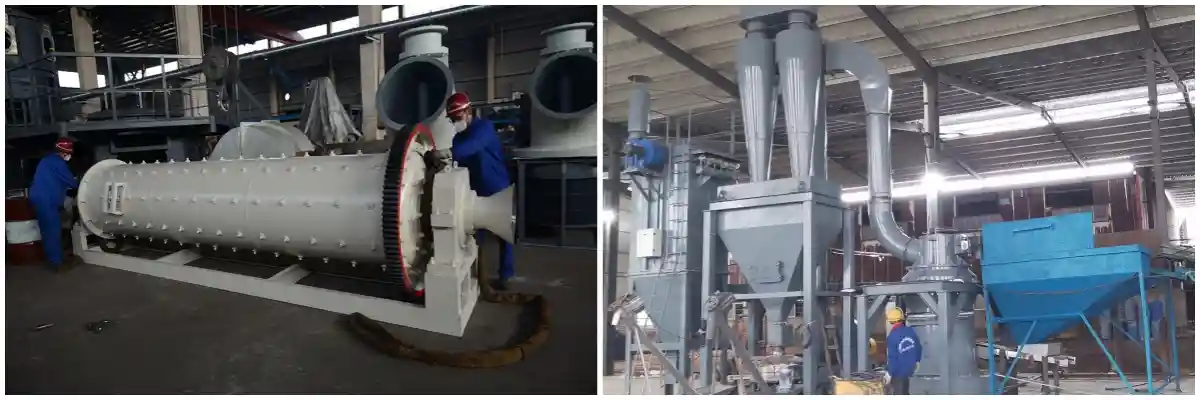
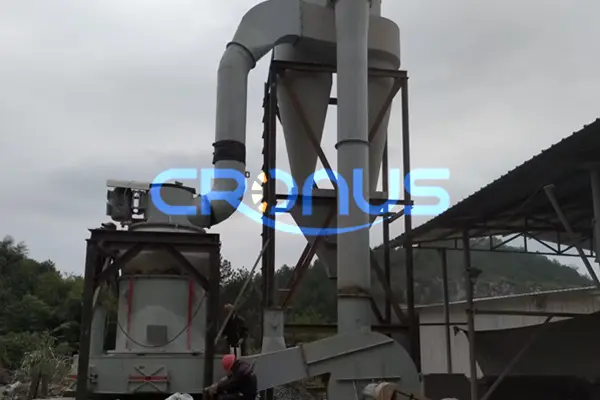
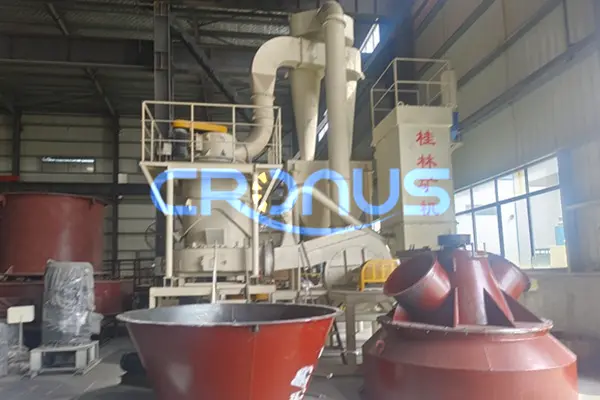
Primary aluminum dross has high aluminum content, and grinding is aimed at recovering metallic aluminum. Priority shall be given to the liberation and recovery of metallic aluminum. The current mainstream process adopts a two-stage approach: coarse grinding with a ball mill and fine grinding with a Raymond mill. The ball mill is responsible for breaking up agglomerates and liberating metallic aluminum encapsulated in the dross, while the Raymond mill is responsible for fine grinding. This combination balances metal recovery rate and grinding efficiency, making it suitable for the majority of small to medium-scale primary aluminum dross processing projects. For large-scale and ultra-fine powder processing requirements, a process combination of ball mill + vertical roller mill / ultra-fine grinding mill shall be selected.
Secondary Aluminum Dross Grinding Mill Selection
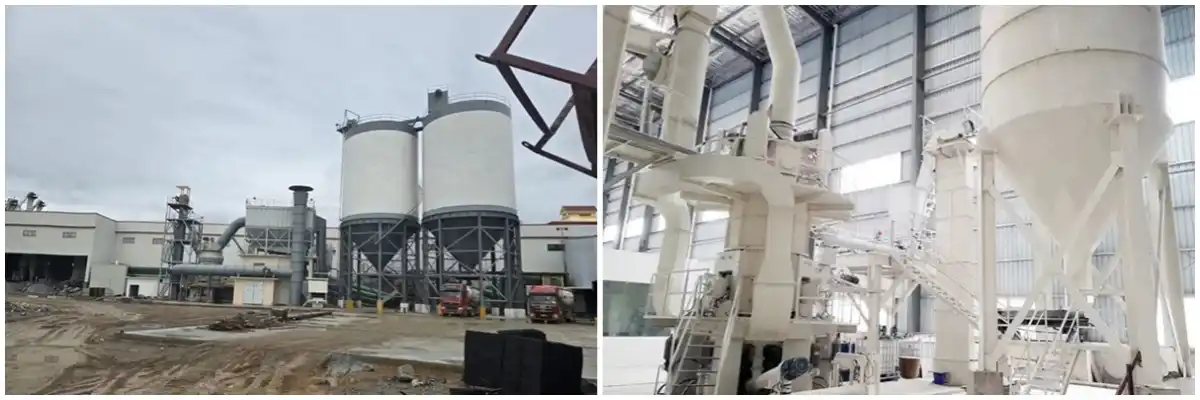
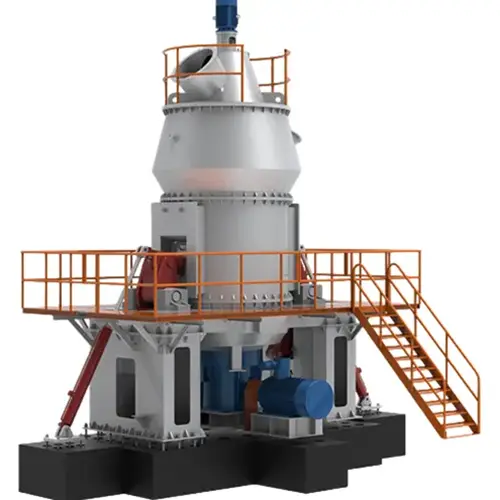
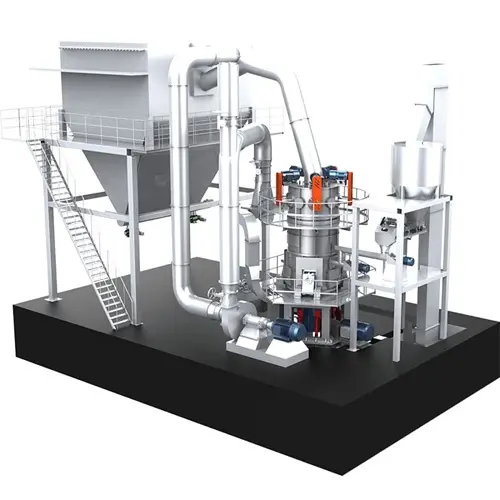
Secondary aluminum dross has low aluminum content, and grinding is aimed at achieving harmless resource utilization without the need for metal liberation. The core requirements are high-capacity, low-cost, and stable powder production. When selecting equipment, priority shall be given to vertical roller mills, which offer strong drying capability, a fully enclosed negative-pressure system, and environmental safety features that better meet the stringent requirements of hazardous waste processing. The roller sleeves can be reversed for extended service life. Although the initial investment is higher, the unit power consumption is lower, providing advantages in long-term operation and maintenance costs. This is particularly suitable for secondary aluminum dross grinding projects with a capacity of 20 t/h or above. For ultra-fine powder applications, ultra-fine vertical roller mills are also the preferred choice. (Note: Vertical roller mills and ultra-fine vertical roller mills are preferred options; Raymond mills and ultra-fine ring roller mills can also achieve efficient grinding.)
Process Flow of Aluminum Dross Grinding Production Line
Primary Aluminum Dross Grinding Production Line Process Flow
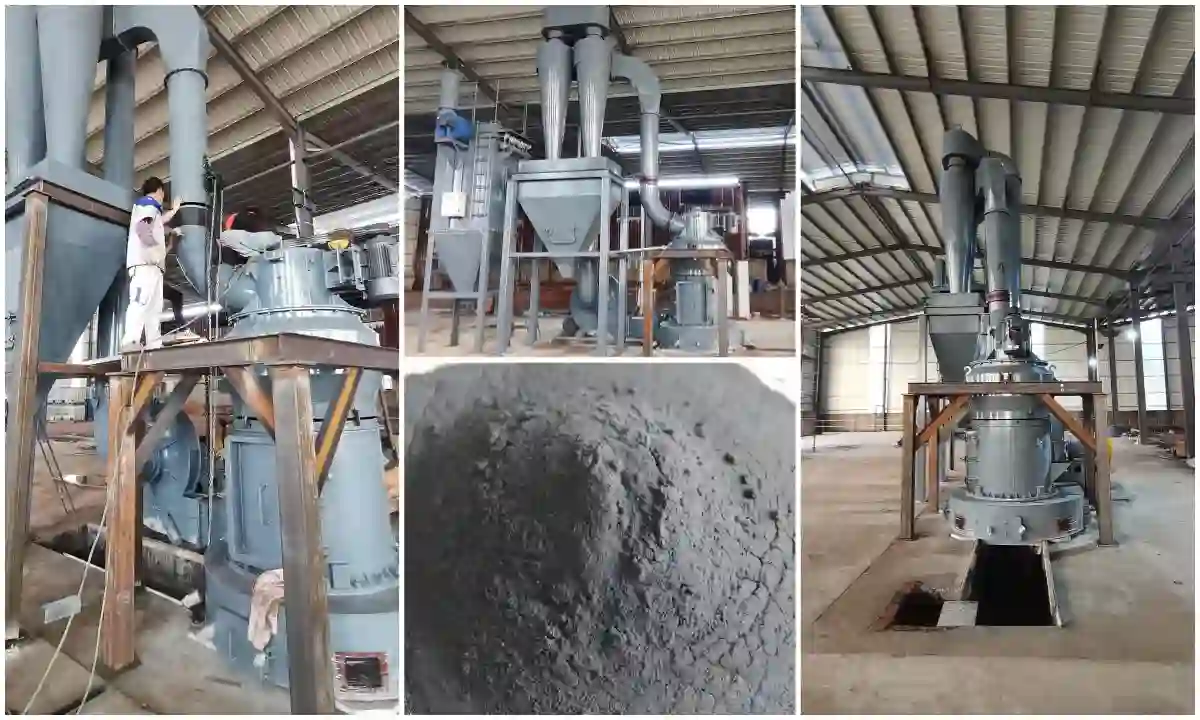
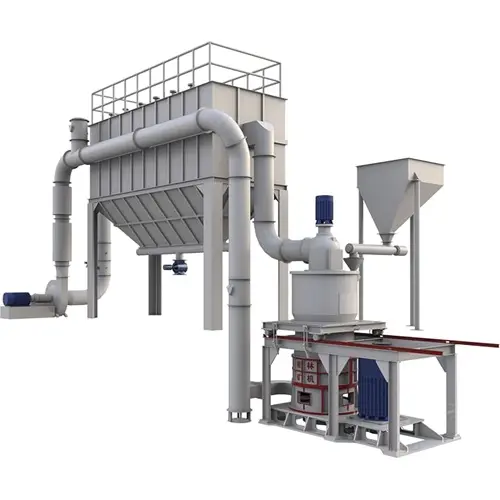
The primary aluminum dross grinding production line mainly adopts a two-stage process: coarse grinding and liberation with a ball mill, followed by fine grinding with a Raymond mill. The raw material is crushed by a jaw crusher to meet the feed size requirement for grinding. Meanwhile, iron impurities are removed by an electromagnetic separator, and the moisture content is controlled to ≤5%. After crushing, the material enters the ball mill, where the metallic aluminum is crushed into granular form by the impact of steel balls, achieving liberation of aluminum from the dross.
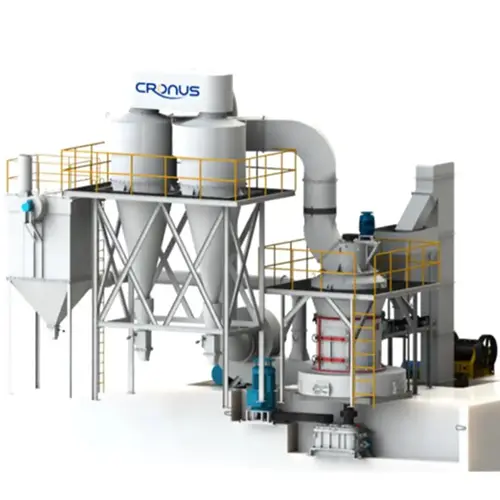
The liberated aluminum dross is then screened by a vibrating screen. Metallic aluminum particles >4 mm are directly recovered for smelting, while fine dross ≤4 mm is fed by a feeder into the Raymond mill for grinding and classification. Finally, the qualified fine powder enters the cyclone collector with the airflow for gas-solid separation, and is then discharged after treatment by the pulse jet baghouse filter and tail gas purification system.
Secondary Aluminum Dross Grinding Production Line Process Flow
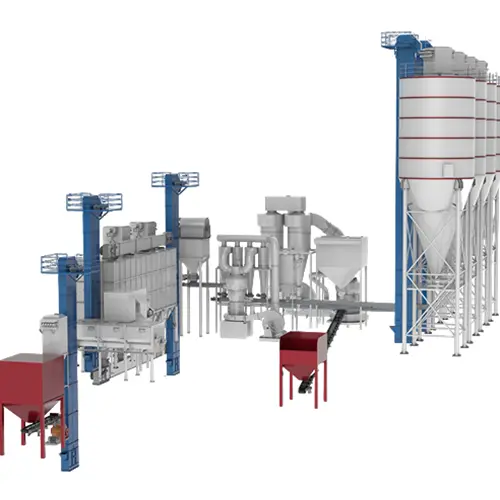
The secondary aluminum dross grinding production line mainly adopts a vertical roller mill. The raw material is crushed by a jaw crusher to meet the feed size requirement for grinding. After iron removal by an electromagnetic separator, the material is fed by a feeder into the vertical roller mill for grinding and classification. Simultaneously, hot air is introduced to directly dry the aluminum dross with an inlet moisture content of 8%~15%. The qualified fine powder then enters the cyclone collector for collection, and is discharged after treatment by the pulse jet baghouse filter and tail gas purification system.
Due to the presence of harmful impurities in secondary aluminum dross, the fine powder must be sent to a rotary kiln for high-temperature calcination (1100~1300℃), achieving the triple transformation of metallic aluminum oxidation, aluminum nitride decomposition, and fluoride solidification. Since the calcined aluminum dross forms agglomerates, it requires secondary grinding to obtain the final finished powder.
Application Scenarios of Aluminum Dross Grinding Mill
Frequently Asked Questions about Aluminum Dross Grinding
Can primary aluminum dross be directly processed by a Raymond mill?
Although a Raymond mill has the capability to directly process primary aluminum dross, metallic aluminum has strong ductility. The Raymond mill primarily operates by compression and grinding, resulting in lower liberation efficiency compared to a ball mill. The pretreatment requirements for moisture and impurities are also more stringent. The mainstream process remains the combination of ball mill for liberation and Raymond mill for fine grinding. This process not only achieves efficient liberation of aluminum dross but also directly screens and collects high-value coarse metallic aluminum particles via a vibrating screen, avoiding ineffective grinding and over-grinding.
Is the combination of ball mill and Raymond mill expensive for processing aluminum dross?
Considering only the initial investment cost, the combined solution is indeed more expensive than a single Raymond mill. However, the purpose of primary aluminum dross grinding is to recover high-value metallic aluminum. The combined process achieves significantly higher production efficiency and metal recovery rate compared to a single unit. For long-term, stable industrial production, the combined process offers higher cost-effectiveness.
Why is secondary aluminum dross not directly calcined before grinding?
After crushing, secondary aluminum dross still exists as relatively large particulate material. Direct calcination results in high energy consumption, uneven reaction, slow reaction rate, and poses safety hazards. The typical process adopts a mode of grinding first, then calcination, followed by secondary grinding. The primary grinding is intended to allow more thorough calcination of the aluminum dross, while the secondary grinding is to obtain the final finished powder.
Recommendations
-
 How to construct a standard foundation for a Raymond Mill?
 -
 Can Sand‑Powder Integrated Machines Truly Achieve Co‑production? Equipment Selection Guide
 -
 Deep‑Dive Analysis of Working Principle of Raymond Mill
 -
 Why do the grinding roller shaft and the central shaft of a Raymond mill need to undergo heat treatm
 Home
Home Products
 About
About Call
Call