

-
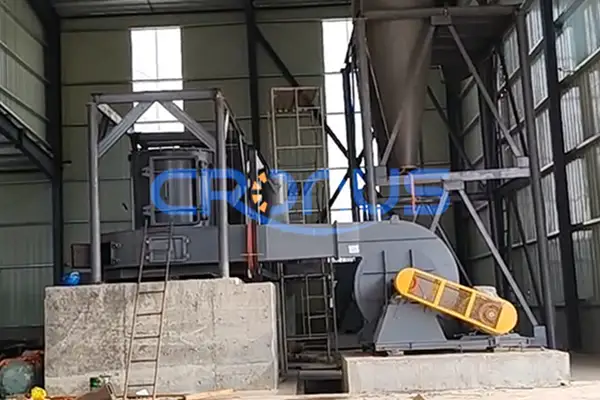 The Raymond mill is a high‑vibration and heavy‑load equipment. Its operational stability directly impacts the production capacity of the production line, finished product quality and service life of wearing parts. As a rigid connecting carrier between the equipment and the ground, the concrete foundation shall be constructed in strict accordance with industrial standards.
 -
 The heat treatment of the grinding roller shaft and the central shaft is a core process that determines the strength, service life, and overall operational stability of the Raymond mill. Only shafts that have undergone quenching and tempering heat treatment can meet the requirements for long-term, stable operation of the Raymond mill.
 -
 Theoretically, a Raymond mill can grind multiple materials simultaneously. However, in industrial production, mixed grinding is generally not recommended, as the output, fineness, and stability are often far inferior to grinding materials separately. That said, there are a few special cases where mixed grinding is suitable.
 -
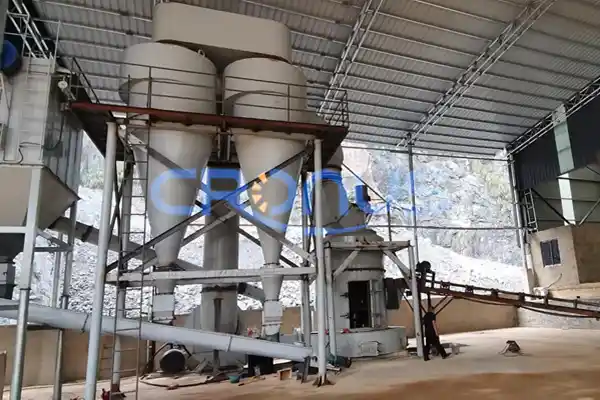 As a core wear part of the Raymond mill, the material selection of the liner directly affects the operational stability of the mill. High-chromium cast iron has become the mainstream material for Raymond mill liners due to its high hardness, high wear resistance, and low total lifecycle cost.
 -
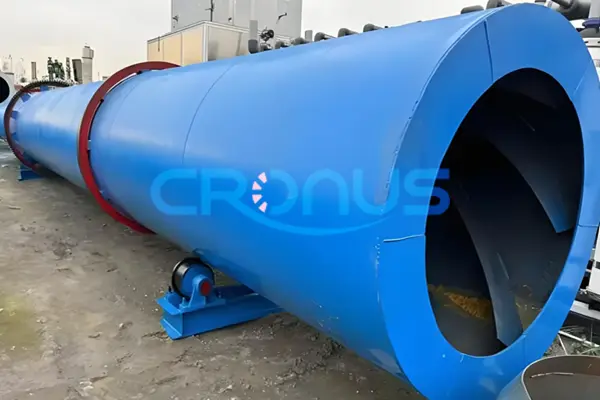 The dryer is the pre-drying equipment in the Raymond milling production line. Among them, the rotary dryer has strong adaptability and wide application, suitable for drying various ores in lump and granular forms. The vertical dryer offers high thermal efficiency and occupies a small footprint, making it ideal for mass production projects with limited space.
 -
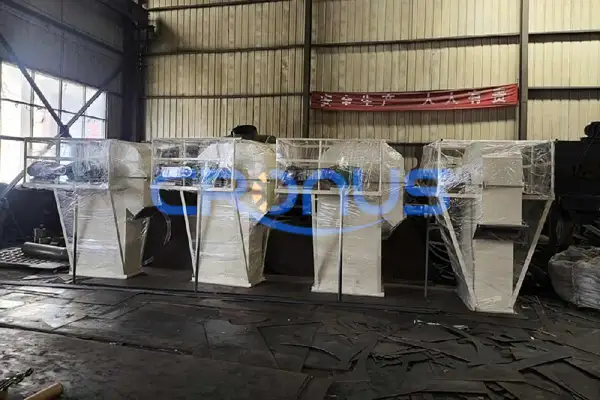 The elevator is the vertical conveying equipment for the Raymond mill. Among them, the belt bucket elevator is suitable for powdery, small-particle, and low-hardness materials. The chain bucket elevator is suitable for lumpy, medium-to-high hardness materials. The plate chain bucket elevator can handle large-block, high-hardness materials.
 -
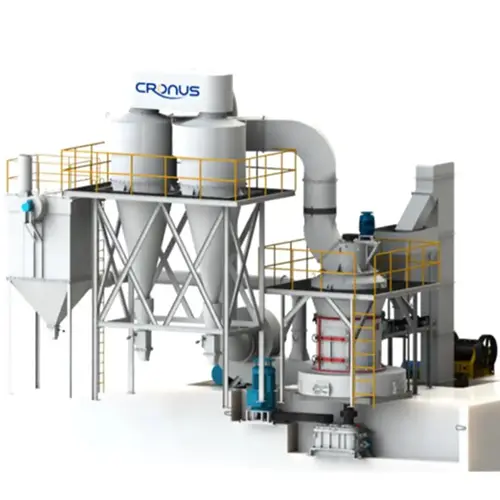
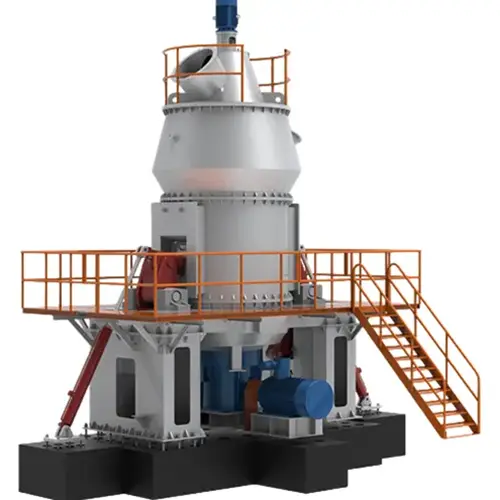
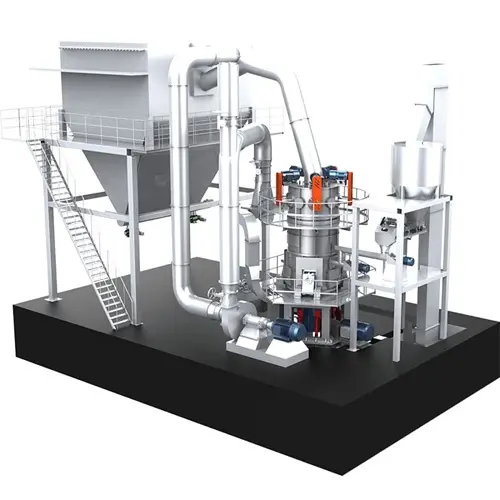
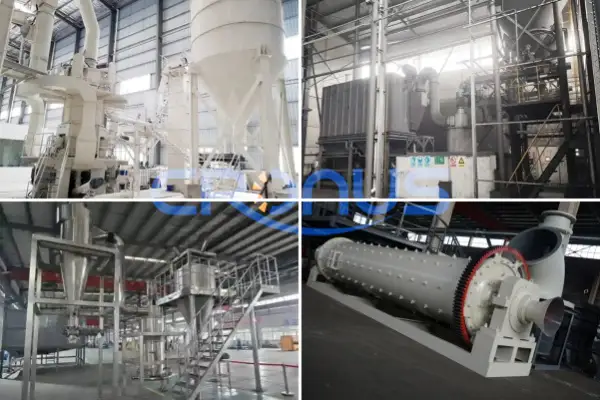 An superfine grinding mill is a type of equipment used to grind materials into ultra-fine powder ranging from 400 to 2500 mesh, with some high-end models capable of achieving 3000 mesh or finer. Common types of superfine grinding mills include ultrafine vertical roller mills, ultrafine ring roller mills, jet mills, and ball mill classifier production lines (ball mill + air classifier).
 -
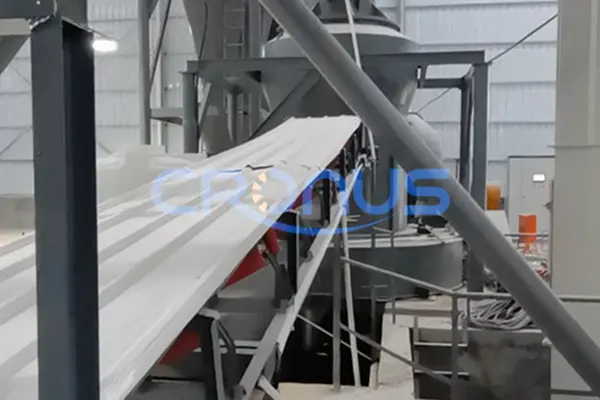 The vibrating feeder is suitable for conveying granular and lump materials; the belt feeder is suitable for conveying granular, powdery, and lump materials; and the screw feeder is suitable for conveying powdery and small granular materials. For large lump materials and high-moisture materials, the use of a screw feeder is strictly prohibited.
 Home
Home Products
 About
About Call
Call