

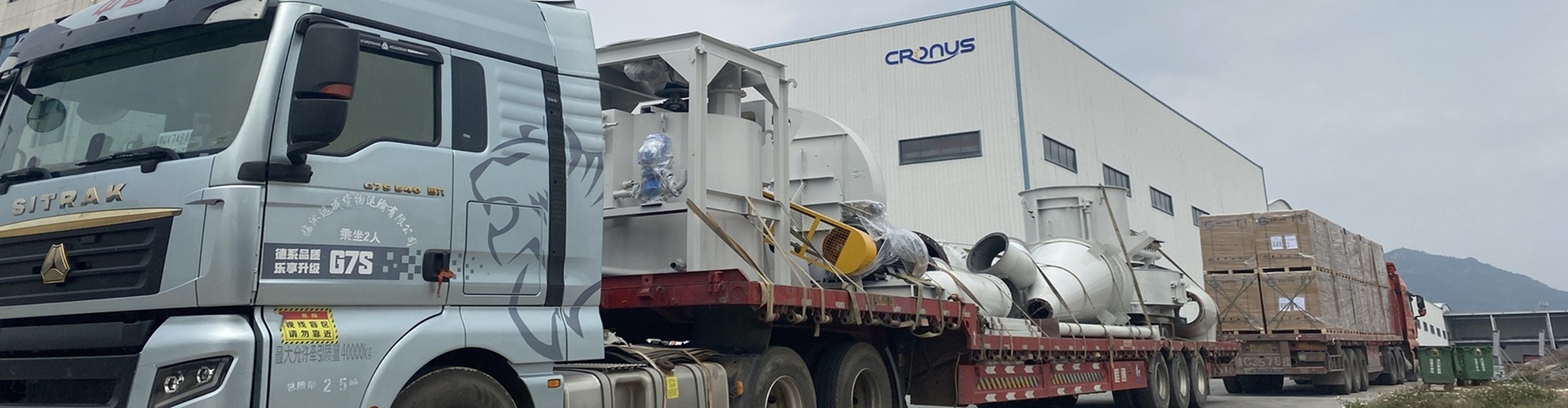
How to choose the supporting dryer for a Raymond mill?
- Time:2026-04-29
- Views:24
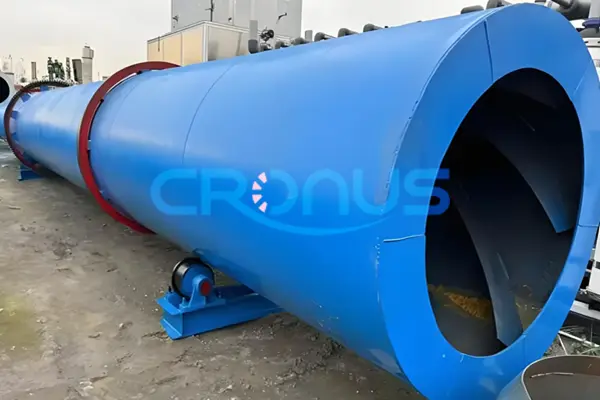
The dryer is the pre-drying equipment in the Raymond milling production line. Among them, the rotary dryer has strong adaptability and wide application, suitable for drying various ores in lump and granular forms. The vertical dryer offers high thermal efficiency and occupies a small footprint, making it ideal for mass production projects with limited space.
FunctionsCommon TypesSelection GuidePitfalls to Avoid
The Role of the Dryer in a Raymond Mill System
In the milling production line, the dryer serves as the pre-treatment equipment. Its core objective is to dry the raw material moisture to ≤5%, meeting the standard feed requirement for the Raymond mill. Improper dryer selection can easily lead to material moisture exceeding the standard, causing mill clogging, air duct powder accumulation, reduced capacity, and increased energy consumption, directly affecting the stable operation of the entire production line. Scientifically selecting the drying equipment can effectively improve grinding efficiency, reduce unit energy consumption, decrease the frequency of downtime due to failures, and ensure continuous and efficient operation of the grinding system.
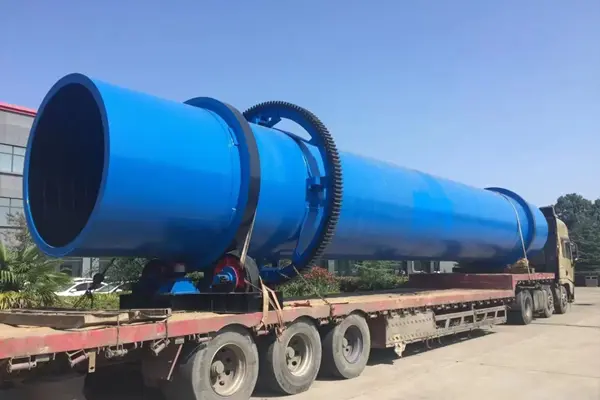
Common Types of Dryers Supporting the Raymond Mill
In the application of Raymond mill systems, the common types of dryers mainly include rotary dryers (single-drum / triple-pass) and vertical dryers. Among them, the triple-pass type is an energy-saving upgrade of the single-drum type, offering higher thermal efficiency and lower energy consumption. It should be noted that these two conventional dryers are not suitable for materials with high humidity and high viscosity, such as colloidal, strongly agglomerative materials (e.g., sludge, pure clay).
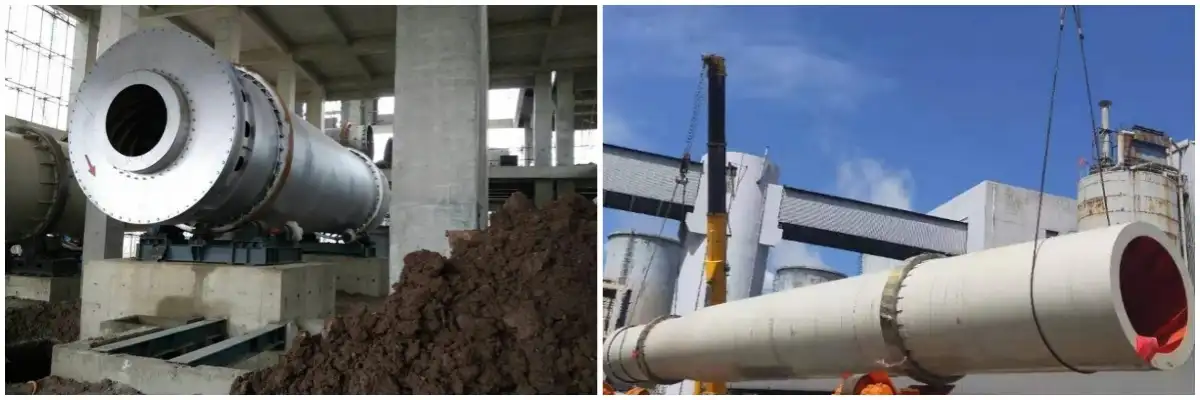
| Comparative Analysis of Common Dryers for Raymond Mills | |
| Rotary Dryer | Vertical Dryer |
| Rotating drum structure, material is continuously lifted and turned, making full contact with hot air for heat exchange. | Vertical sealed structure, material falls by gravity, completing heat exchange in counterflow with hot air. |
| Single-drum thermal efficiency: 30%~40%, triple-pass thermal efficiency: 50%~60% | Thermal efficiency: 65%~75%, compact footprint, more energy-efficient |
| Wide adaptability, can handle materials of different lump sizes and conventional humidity. | Compact footprint, suitable for projects with limited space, stricter material specifications. |
| Simple structure, easy operation and maintenance, lower initial investment for single-drum model. | Complex internal structure, limited feed lump size, higher daily maintenance difficulty. |
Selection Recommendations for Dryers Supporting the Raymond Mill
Equipment Capacity
Small to Medium Production Line: Raymond mill capacity ≤10 t/h, prioritize a rotary dryer for its simple structure, high cost-effectiveness, and easy transport.
Medium to Large Production Line: Raymond mill capacity 10~20 t/h, opt for a triple-pass rotary dryer to balance capacity and energy saving needs. Under space constraints, a small vertical dryer can be used, strictly controlling material lump size and moisture.
Large Production Line: Raymond mill capacity ≥20 t/h, a large vertical dryer can be chosen if material uniformity is stable; otherwise, prioritize a triple-pass rotary dryer for mixed materials.
Material Characteristics
Non-sticky or Low-sticky Materials: For raw materials like limestone, quartz sand, slag, coal粉, prioritize a rotary dryer for its strong resistance to fluctuations and anti-clogging ability.
Low-sticky, Uniform Lumpy Materials: For homogeneous ores like dolomite, feldspar, calcite, both rotary and vertical dryers are suitable; selection should be based on capacity and site conditions.
Site and Budget
Tight Space, Sufficient Budget: Choose a vertical dryer for its small footprint and high heat exchange efficiency, resulting in lower energy consumption for long-term operation. Disadvantages include strict feed size limits and higher maintenance difficulty.
Adequate Space, Limited Budget: Choose a rotary dryer for its low purchase cost and simple maintenance, fully meeting basic ore drying needs.
Pitfalls to Avoid When Selecting a Dryer for a Raymond Mill
Over-drying the Material
Excessively high hot air temperature or too long a residence time for drying can cause excessive material moisture loss. This not only increases fuel consumption but also leads to increased dust generation, accelerated mill wear, reduced product stability, and negatively affects grinding performance.
The correct approach is to reasonably control hot air temperature, air volume, and feed rate based on material properties and the standard feed moisture requirement. Dry as needed, maintaining stable control over the final product moisture.
Choosing the Wrong Dryer for Highly Sticky, Agglomerative Materials
Using conventional rotary or vertical dryers directly for materials with high humidity, high stickiness, and easy agglomeration can easily lead to wall sticking and clogging, resulting in frequent downtime for cleaning and potentially damaging internal components.
The correct approach is to pre-process the raw material by crushing and dispersing, or switch to specialized drying equipment, such as dispersing dryers, flash dryers, or twin-shaft stirring and dispersing dryers.
Focusing Only on Equipment Price, Ignoring Long-term Operating Costs
Blindly pursuing a low price by choosing a single-drum dryer results in low thermal efficiency and high fuel consumption. Although the initial investment is smaller, the long-term fuel costs remain high, leading to higher overall production costs.
The correct approach is to comprehensively compare equipment energy consumption and operating/maintenance costs. A triple-pass rotary dryer has a slightly higher initial investment, but its significant energy savings can recover the price difference in the short term, offering stronger long-term economics. A single-drum dryer can also be considered for small-capacity, low-moisture temporary production lines.
- Previous Article:Why is high-chromium cast iron used for the liner of a Raymond mill?
- Next Article:How to choose the matching elevator for a Raymond mill?
- Can Sand‑Powder Integrated Machines Truly Achieve Co‑production? Equipment Selection Guide
- Deep‑Dive Analysis of Working Principle of Raymond Mill
- European Version, German Version, Vertical Swing Type Grinding Mills: Genuine Upgrade or Fake Concep
- Comparative Analysis of Inverted Cone Rotor and Cylindrical Rotor for Raymond Mill
 Home
Home Products
 About
About Call
Call