

Bentonite Grinding Mill and Production Line Process
- Time:2026-04-20
- Views:87
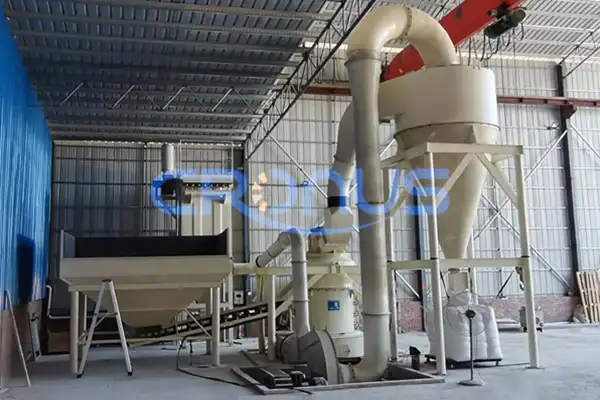
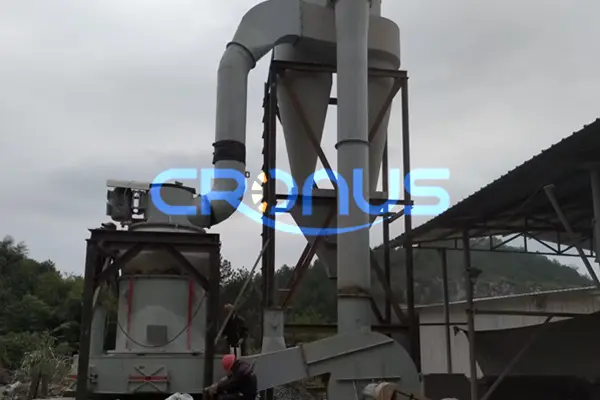
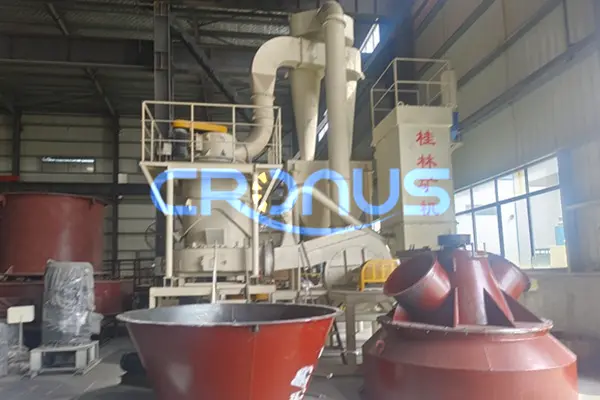
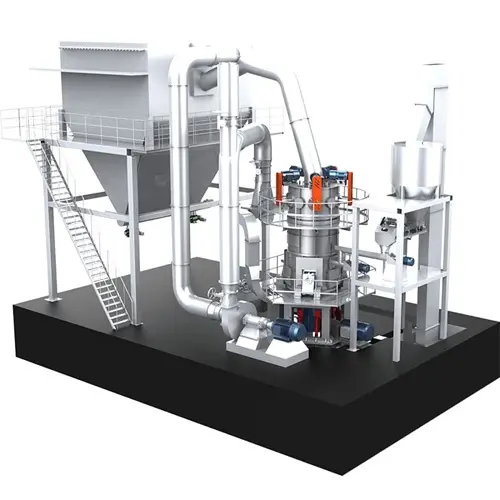
Bentonite grinding mill refers to equipment used to grind bentonite into powder. For mill selection, vertical roller mill and ultra-fine vertical roller mill are preferred. Although the initial investment is higher, they can directly process raw bentonite ore with moisture content ≤15%, better preserving the original activity of bentonite. Alternatively, economical Raymond mill and ultra-fine ring roller mill can also be selected, but strict drying treatment is required.
What is Bentonite?
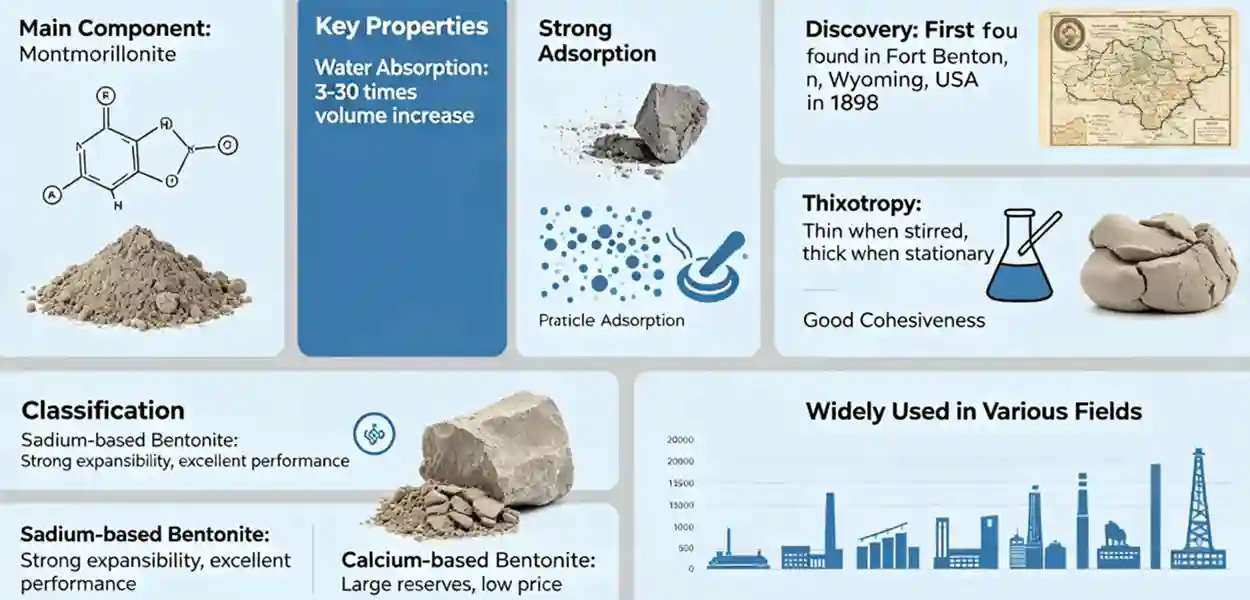
Bentonite is a natural layered silicate clay mineral with montmorillonite as its main component. The raw ore has a high moisture content, approximately 15%~30%, and exhibits excellent properties such as water absorption and swelling (volume expansion of 3~30 times), strong adsorption, thixotropy (becoming fluid when stirred and thick when stationary), and good cohesiveness. Based on the different exchangeable interlayer cations, bentonite is mainly divided into two types: sodium bentonite (strong swelling, excellent performance) and calcium bentonite (large reserves, low price).
Key Considerations for Bentonite Grinding Production Line
Moisture Control: The moisture content of bentonite fed into the mill must be strictly controlled. Excessive moisture will cause material adhesion and blockage, affecting grinding efficiency, while too low moisture will lead to premature deactivation of the material, making it difficult to restore water absorption capacity and affecting powder performance.
Temperature Control: The inlet air temperature should be controlled at 140~160℃ to prevent the decrease of bentonite activity. The outlet air temperature should be controlled at 50~60℃ to avoid excessive moisture evaporation that may cause caking and deactivation of the finished product.
Membrane Filter Bags: Bentonite dust is highly hygroscopic. Ordinary filter bags are prone to clogging and blockage. A pulse-jet membrane baghouse must be used. Its PTFE membrane surface is extremely smooth, allowing dust to accumulate only on the surface without penetrating the filter media. The microporous structure can intercept ultra-fine particles of 0.1~0.5 microns. Meanwhile, the PTFE material is resistant to acid and alkali corrosion, and the filter bag service life can exceed 2 years.
Sodium Treatment: To produce highly active sodium bentonite, calcium bentonite must undergo sodium modification, thereby improving the colloidal properties, swelling ratio, and suspension stability of the bentonite.
How to Select a Suitable Bentonite Grinding Mill?
Small and Medium-Scale Production Lines
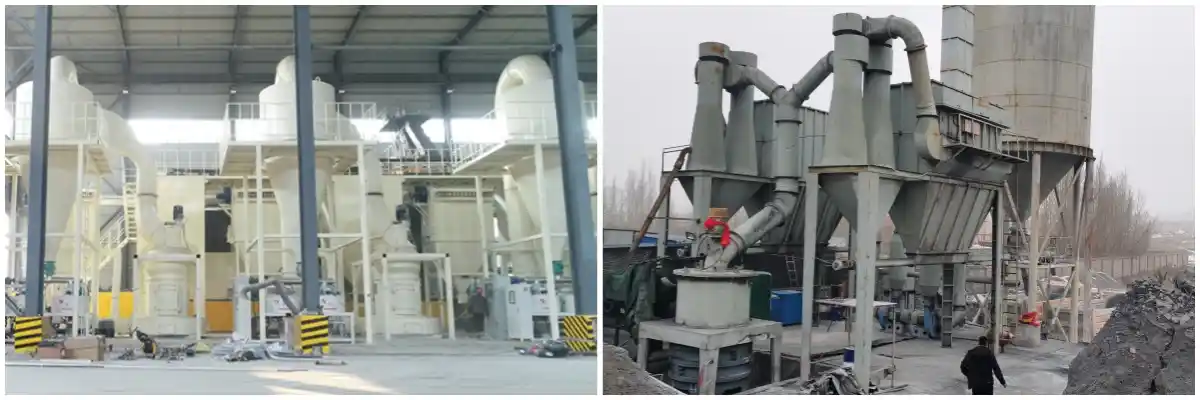
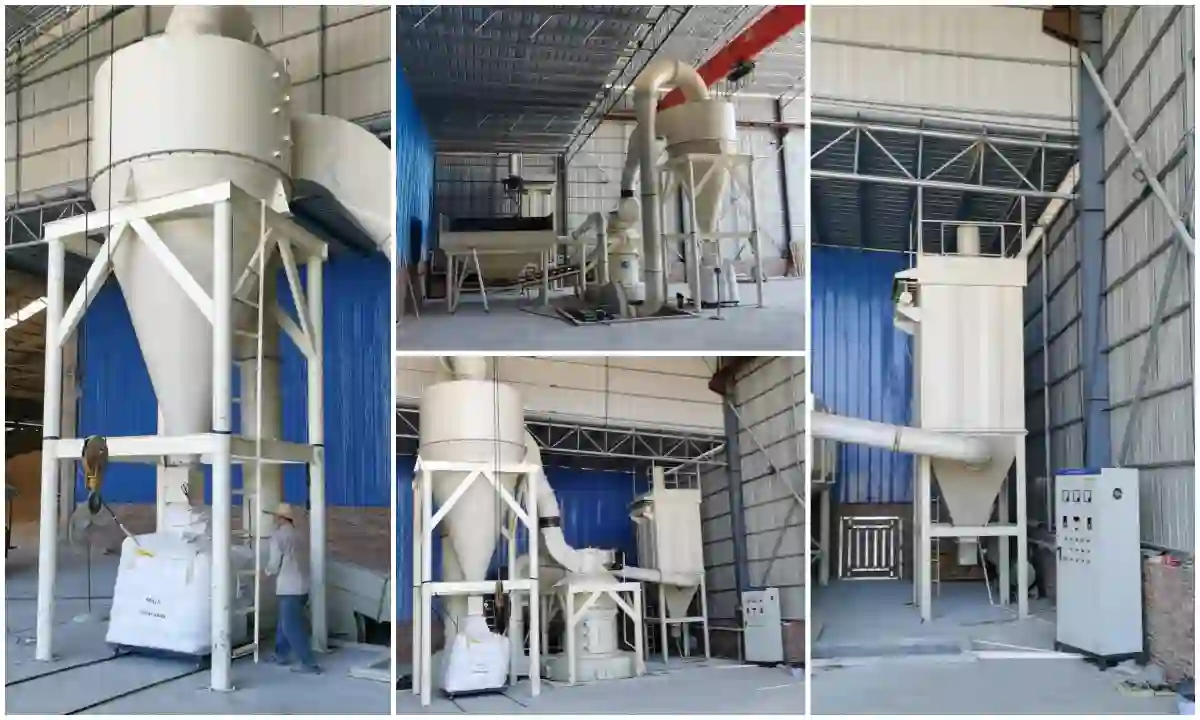
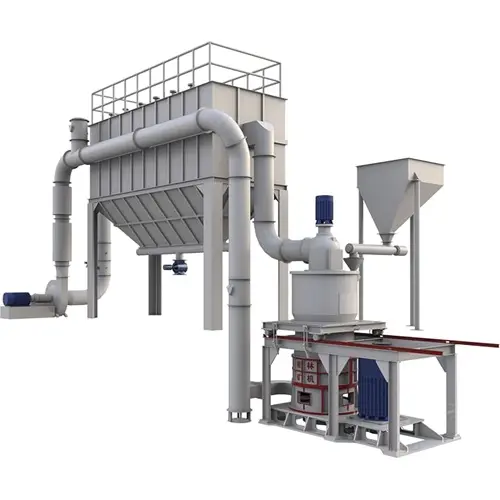
For small and medium-scale production projects, it is recommended to select economical Raymond mills and ultra-fine ring roller mills. Raymond mills are suitable for processing conventional bentonite powder of 80~400 mesh, such as bentonite for foundry, drilling mud, and cat litter. Ultra-fine ring roller mills are suitable for producing ultra-fine bentonite powder of 400~2500 mesh for high value-added fields such as organoclay, coatings, and cosmetics. Both have low investment costs but have strict requirements for feed moisture content (≤6%), typically requiring a dryer for pretreatment.
Large-Scale Production Lines
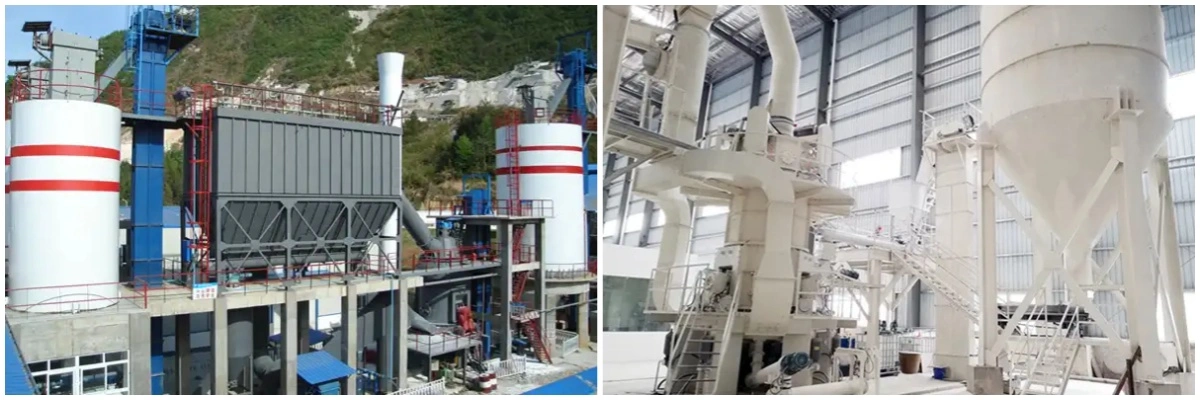
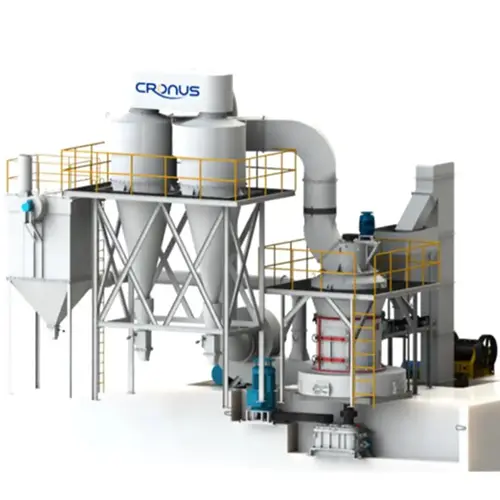
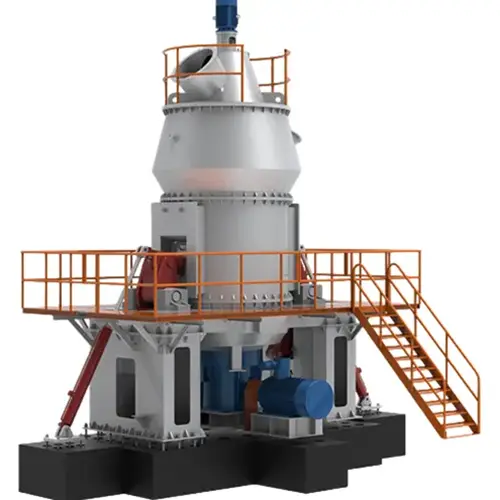
For large-scale production projects, vertical roller mills and ultra-fine vertical roller mills are preferred. They can directly process raw bentonite ore with moisture content ≤15%, achieving simultaneous drying and grinding, eliminating the need for upstream drying equipment. Additionally, they adopt advanced lamination grinding technology, resulting in low temperature rise during the grinding process, which better preserves the original activity of bentonite. Their air ring classifier and external waste discharge device enable air classification for impurity removal, effectively separating high-hardness impurities such as quartz and feldspar, thereby improving product purity. The initial investment is higher, but the operating energy consumption is low, offering a high long-term return on investment.
Process Flow of Bentonite Grinding Production Line
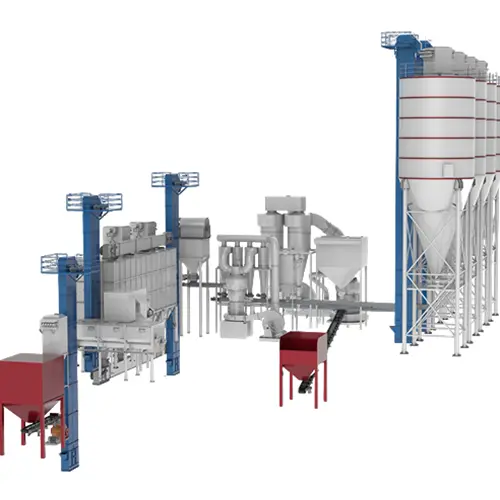
Raw bentonite ore first undergoes pretreatment such as crushing, impurity removal, and purification through equipment like crushers, magnetic separators, and vibrating screens to ensure the raw material meets the feed standards. To produce sodium bentonite, sodium carbonate is added at this stage for ion exchange sodium modification, followed by extrusion, aging, and homogenization in a pan mill, and then drying.
Subsequently, the raw material meeting the feed standards is ground and classified by the grinding mill. The finished powder is separated and collected by a cyclone collector, while the remaining dust is recovered and purified by a pulse-jet membrane baghouse. Finally, the product is conveyed to the finished product silo by conveying equipment for packaging.
| Comparison of Grinding Process between Calcium Bentonite and Sodium Bentonite | |
| Calcium Bentonite | Sodium Bentonite |
| Relatively simple process, focus on impurity removal | Requires adding 2%~5% sodium carbonate or other sodium salts to calcium raw ore for sodium modification |
| Drying requirements are relatively loose, main goal is to reduce moisture to below 15% | Sodium-modified material has high moisture content (15%~30%), requiring strict control of the drying process to prevent excessive dehydration from destroying its excellent water absorption and swelling performance |
| Typically ground using a Raymond mill | Vertical roller mill is preferred; Raymond mill can also be used but with proper drying treatment |
| Powder is mainly used in fields with low performance requirements or as raw material, such as desiccants, low-grade feed additives, etc. | Powder is mainly used in high-end fields with strict requirements for swelling, cohesiveness, and colloidal properties, such as drilling mud, precision casting, pet cat litter, etc. |
Application Scenarios of Bentonite Grinding Mill
Frequently Asked Questions About Bentonite Grinding
Can over-dried bentonite be mixed with water and fed into the grinding mill?
No, and it is strictly prohibited. Over-drying will cause irreversible loss of bentonite activity, which cannot be restored by adding water. Once it comes into contact with water and swells, it will cause severe blockage of the mill. Over-dried bentonite can be mixed with normal material at a ratio not exceeding 30% for downgraded use in fields with low activity requirements, but the production process must be strictly monitored to prevent blockage.
How does montmorillonite content affect the bentonite grinding mill?
Montmorillonite content >80%: Bentonite is soft and lubricating, causing very low wear on grinding rollers and tables. Ordinary high manganese steel material is sufficient.
Montmorillonite content <60%: Bentonite contains a large amount of hard impurities such as quartz and feldspar. The wear amount can differ by 5~10 times. High chromium alloy or ceramic composite rollers must be used, and impurity removal must be enhanced before feeding into the mill.
Can bentonite be air-dried naturally before being fed into the grinding mill?
Bentonite can be pretreated by natural air drying, but it usually cannot be directly fed into the mill. Natural air drying can generally only reduce the raw ore moisture to 15%~25%, which does not meet the feed standard.
Recommendations
-
 How to construct a standard foundation for a Raymond Mill?
 -
 Can Sand‑Powder Integrated Machines Truly Achieve Co‑production? Equipment Selection Guide
 -
 Deep‑Dive Analysis of Working Principle of Raymond Mill
 -
 Why do the grinding roller shaft and the central shaft of a Raymond mill need to undergo heat treatm
 Home
Home Products
 About
About Call
Call