

Copper Ore Grinding Mill and Production Line Process
- Time:2026-04-10
- Views:55
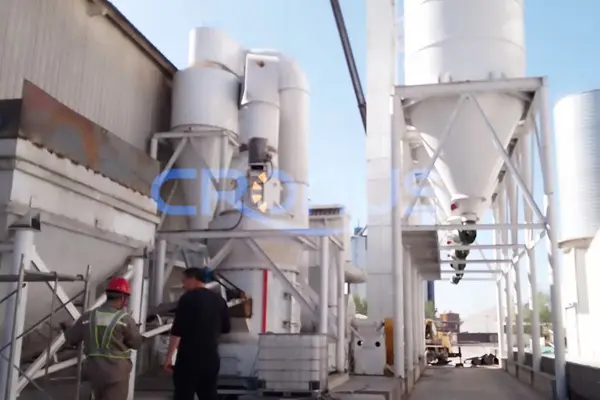
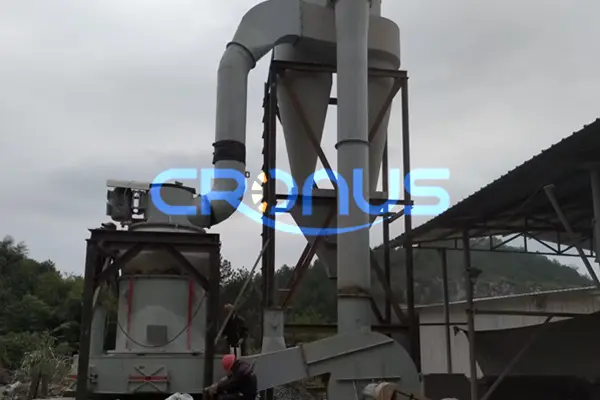
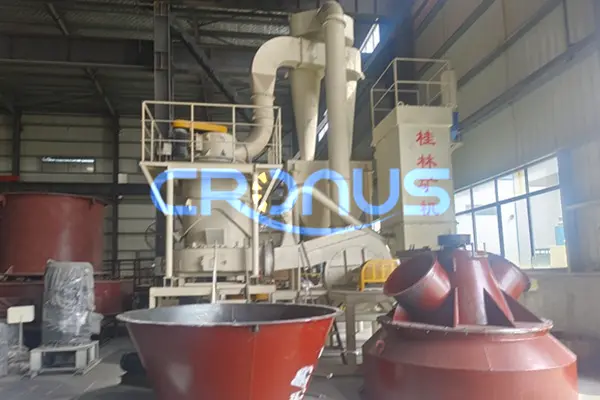
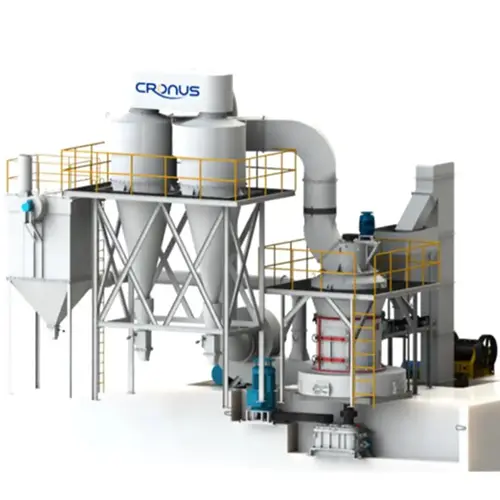
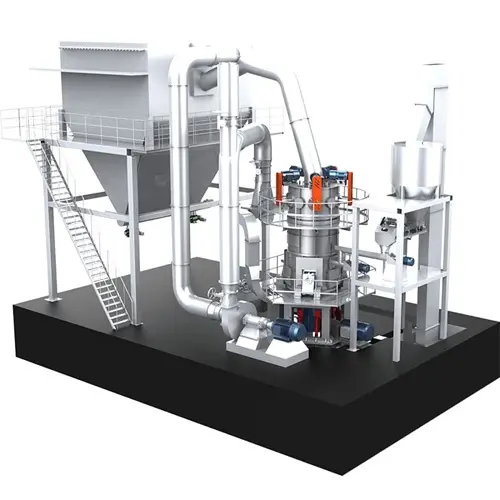
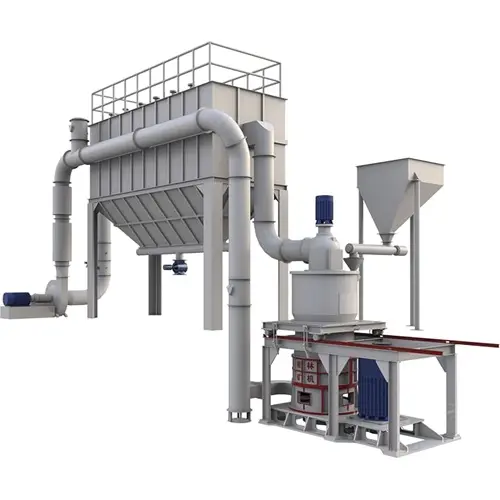
A copper ore grinding mill is equipment that grinds copper ore into powder. For dry grinding, a Raymond mill is recommended, equipped with a temperature monitoring and cooling system to prevent sulfide oxidation. For the wet process that requires flotation for purification, a wet ball mill is used for coarse grinding, paired with a vertical stirred mill for fine grinding.
What is Copper Ore?
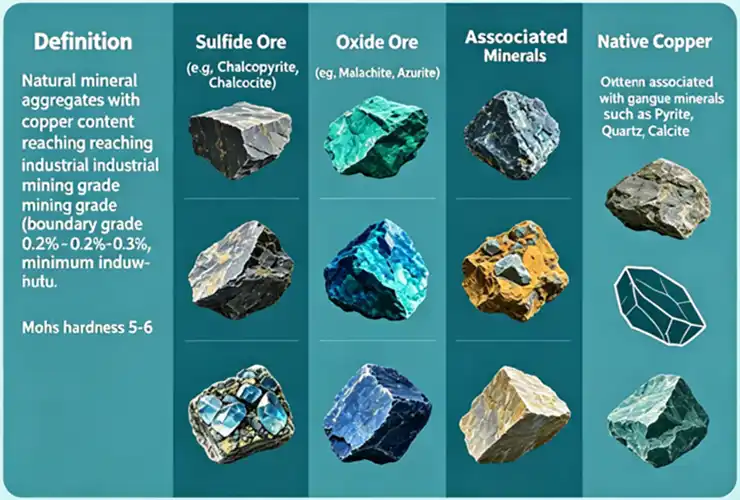
Copper ore refers to a natural mineral aggregate that contains copper at industrial-grade levels (cut-off grade 0.2%~0.3%, minimum industrial grade 0.4%~0.5%), with a Mohs hardness of 3~6. It is mainly classified into three types: sulfide ores (such as chalcopyrite, chalcocite), oxide ores (such as malachite, azurite), and native copper. It is often associated with gangue minerals such as pyrite, quartz, and calcite. Sulfide ores are hydrophobic, while oxide ores are relatively hydrophilic. These characteristics directly affect grinding efficiency and the selection of subsequent beneficiation processes.
Key Considerations for Copper Ore Grinding Production Line
Multi-Stage Crushing: Copper ore has relatively high hardness, especially copper sulfide and copper oxide ores. Multi-stage crushing (primary, secondary, and tertiary crushing) using crushers is necessary before grinding.
Abrasion and Corrosion: The abrasiveness of the ore directly affects the material selection and service life of wear parts. Core grinding components must be made of high manganese steel wear-resistant materials.
Moisture Control: When using dry grinding, the material moisture content must be strictly controlled below 1%; otherwise, it may cause adhesion and blockage inside the mill.
Metal Contamination Protection: Metal fragments or bolts are often mixed into copper ore after multi-stage crushing. A strong magnetic separator or metal detector must be installed before grinding to prevent ferrous foreign matter from entering the mill.
Temperature Control: For dry grinding, excessively high temperatures can cause oxidation of sulfides in copper ore, alter mineral surface properties, and even lead to adhesion. Therefore, temperature sensors must be installed at key locations such as mill bearings and the grinding chamber, and a cooling system (air-cooled or water-cooled) should be configured when necessary.
How to Choose the Right Copper Ore Grinding Mill?
Dry Grinding
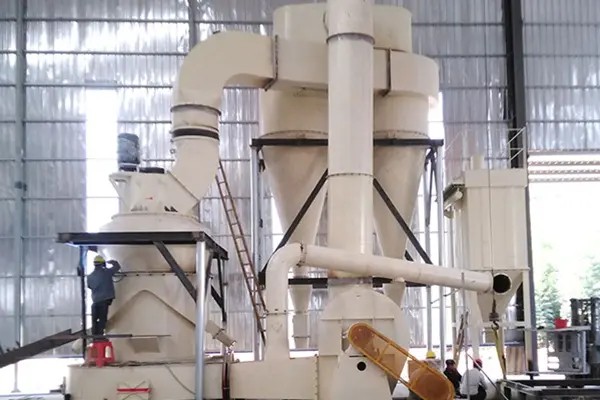
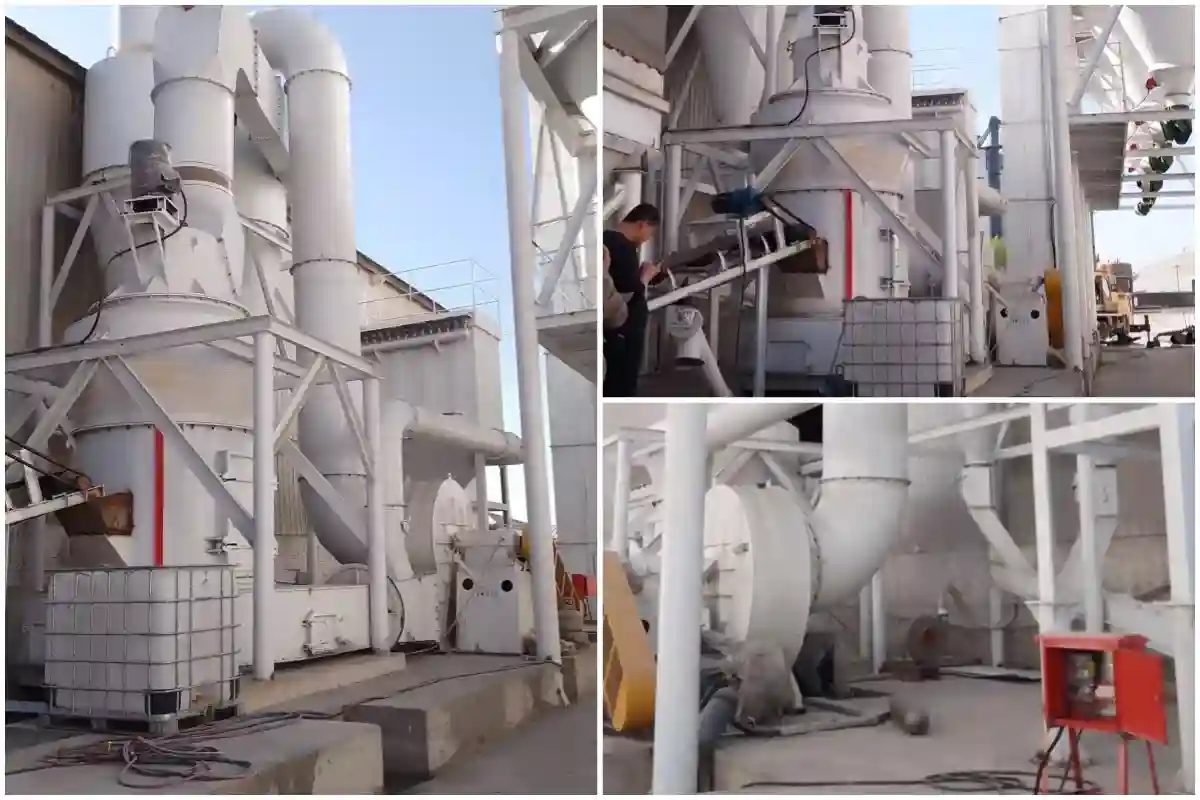
For most industrial production of 80~400 mesh copper ore powder, the dry grinding process is typically used, with a Raymond mill selected. This process offers a simple workflow and low investment cost, but cannot meet the requirements for subsequent flotation beneficiation. It is mainly suitable for conventional industrial applications such as building materials.
Wet Grinding
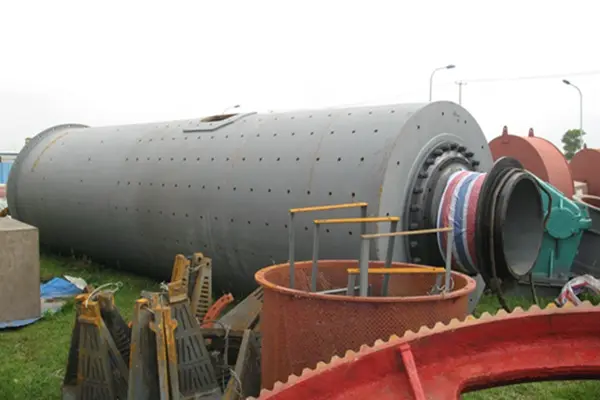
For copper concentrate smelting extraction that requires flotation beneficiation, the wet grinding process is required. A wet ball mill is typically selected for primary coarse grinding, paired with a vertical stirred mill for fine grinding. When selecting equipment for this process, key focus areas include slurry concentration (35%~45%), liner corrosion resistance (using high manganese steel or rubber materials), and coordinated control of classification equipment. This is suitable for industrial-scale production with high capacity and high recovery rate requirements.
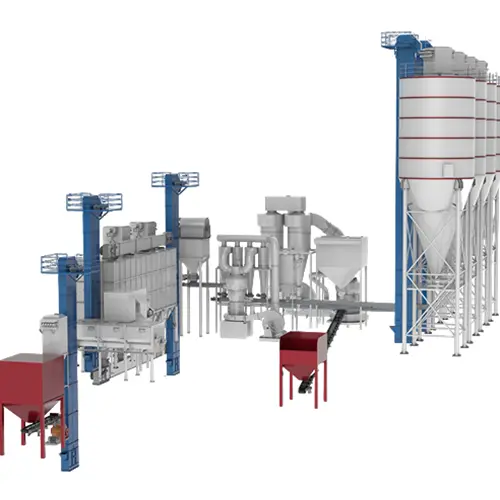
Process Flow of Copper Ore Grinding Production Line
In the pre-treatment stage, equipment such as jaw crushers and cone crushers are used for multi-stage crushing (primary, secondary, and tertiary crushing) of copper ore with Mohs hardness 5~6, and magnetic separators are configured to prevent metal debris from entering the mill.
Dry grinding uses a Raymond mill, requiring strict control of feed moisture ≤1%, along with a temperature monitoring system to prevent sulfide oxidation or adhesion. The copper ore is ground, classified, and collected as finished product without subsequent flotation.
Wet grinding uses a wet ball mill for primary coarse grinding (to -200 mesh accounting for 60%~70%) to create liberation conditions for flotation, paired with a vertical stirred mill for concentrate regrinding to further improve the recovery rates of copper and associated metals.
The slurry after wet grinding enters the flotation system. Flotation utilizes the difference in surface properties between hydrophobic copper minerals and hydrophilic gangue, allowing copper minerals to attach to bubbles and float for separation. For raw ore containing 0.35%~0.39% copper, a copper concentrate grade of 19.51%~25.59% and recovery rate of 87.73%~91.98% can be achieved through one roughing, two scavenging, and four cleaning stages after regrinding of the rough concentrate. When the ore is associated with pyrite, a "copper-sulfur bulk flotation - regrinding - sulfur depression for copper flotation" process is used, achieving a copper concentrate grade of 19.51% and recovery rate of 91.98%, while simultaneously recovering sulfur concentrate.
| Flotation Process | ||
| Roughing | Scavenging | Cleaning |
| The first flotation operation performed after the slurry enters the flotation system | Further flotation of the roughing tailings | Further flotation of the roughing concentrate |
| Prioritizes copper recovery with high recovery rate | Recovers residual copper to reduce tailings loss | Increases copper grade and removes gangue impurities |
Application Scenarios of Copper Ore Grinding Mill
Frequently Asked Questions About Copper Ore Grinding
Can a copper ore grinding mill process copper ore with high sulfur content?
Yes, but special protective measures are required: For dry processes, nitrogen protection and temperature monitoring must be configured, with the grinding chamber temperature controlled below 60°C. For wet processes, rubber liners or stainless steel lifters should be used, the slurry pH controlled between 8 and 11, and ventilation strengthened.
When is a cooling system required for a copper ore grinding mill?
Whether a cooling system is required for dry grinding of copper ore depends on the ore type (the oxidation risk for copper sulfide ores increases significantly when the temperature exceeds 70°C), grinding intensity, and ambient temperature. It is recommended to install PT100 temperature sensors at key locations such as mill bearings and the grinding chamber. The cooling system should automatically activate when the temperature exceeds the 65°C threshold. For high-sulfur copper ore projects, the cooling system should be standard equipment.
What are the differences when grinding copper sulfide ore versus copper oxide ore?
Copper Sulfide Ore: Such as chalcopyrite, is naturally hydrophobic and not easily moisture-absorbing or binding, but is temperature-sensitive. Excessive grinding chamber temperature during dry grinding can cause surface oxidation.
Copper Oxide Ore: Such as malachite, is relatively hydrophilic and more prone to over-grinding, generating a large number of fine particles (<10μm). When processing, grinding intensity should be appropriately reduced and classification parameters optimized to prevent metal loss.
Recommendations
-
 How to construct a standard foundation for a Raymond Mill?
 -
 Can Sand‑Powder Integrated Machines Truly Achieve Co‑production? Equipment Selection Guide
 -
 Deep‑Dive Analysis of Working Principle of Raymond Mill
 -
 Why do the grinding roller shaft and the central shaft of a Raymond mill need to undergo heat treatm
 Home
Home Products
 About
About Call
Call