

Limestone Grinding Mill Selection Guide
- Time:2026-04-24
- Views:42
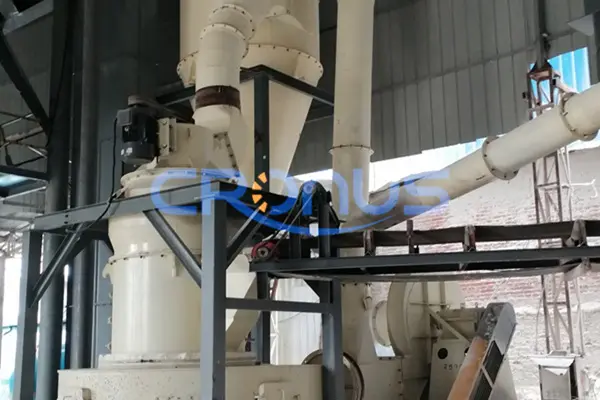
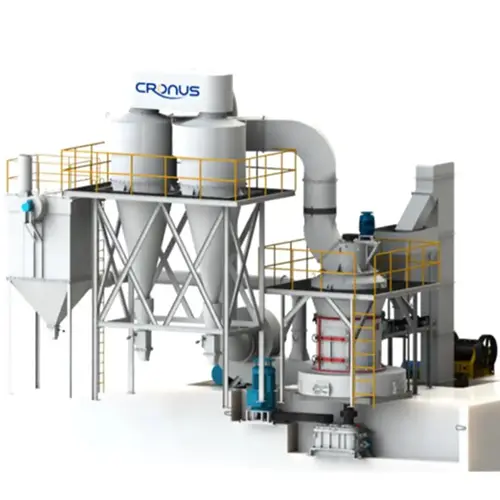
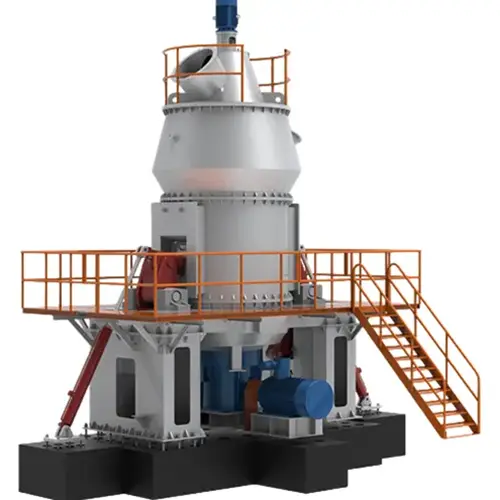
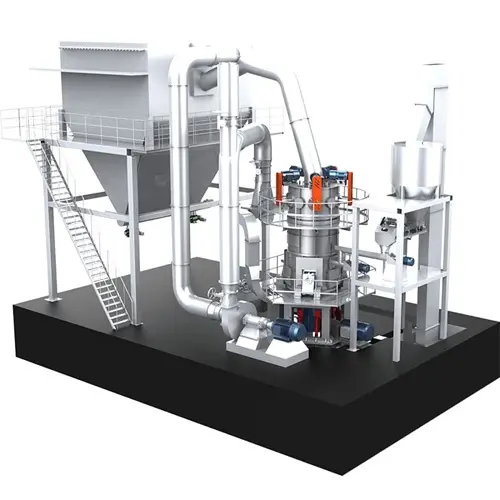
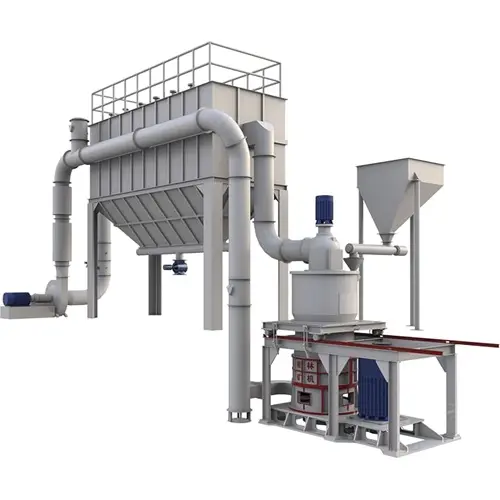
Common limestone grinding equipment includes Raymond mills, vertical roller mills, and ultra-fine grinding mills. The primary factors in equipment selection are the physical properties of the limestone and the intended industrial application of the finished powder, while the specific type of limestone mainly affects process details such as moisture drying.
Raw Material Purity Powder FinenessMaterial MoistureManufacturer Recommendation
Which Limestone Grinding Mill to Choose Based on Raw Material Purity?
High-Calcium Limestone: High purity with silica content <8%. The ore is soft, loose, and exhibits excellent grindability. A Raymond mill is the preferred choice due to its economical equipment investment and high overall cost-effectiveness.
Dolomitic Limestone: Contains impurities such as magnesium, with a silica content of 8%~15%. The ore has medium-to-high abrasiveness. Both Raymond mills and vertical roller mills are applicable, with the final selection determined by the actual production scale.
Siliceous Limestone: Contains hard impurities like quartz, with a silica content >15%. The ore is highly abrasive. A vertical roller mill is recommended due to its low metal contamination, the ability to turn over roller sleeves for extended service life, and low operating maintenance costs despite a higher initial investment, resulting in a high long-term return on investment. If the raw material has extremely high silica content and is exceptionally abrasive, a ball mill is recommended for grinding.
Which Limestone Grinding Mill to Choose Based on Powder Fineness?
80~200 mesh: For coarse powder applications such as sand and stone aggregates, ready-mix concrete stone powder, and building materials, a Raymond mill is the preferred choice for its economical and practical features.
200~400 mesh: For medium-fine powder applications like power plant desulfurization, steel plant flue gas deacidification, cement raw meal preparation, and concrete admixtures, a Raymond mill is suitable for small-to-medium outputs, while a vertical roller mill is ideal for large-scale production.
400~2500 mesh: For conventional ultra-fine powder processing such as plastic filling masterbatches, coating putties, and rubber fillers, an ultra-fine ring roller mill is the preferred choice due to its high classification precision and significantly lower cost compared to ultra-fine vertical roller mills. For high-end ultra-fine powder applications such as pharmaceutical/food-grade calcium powder, high-end rubber/plastic modification, and fine sealant fillers, an ultra-fine vertical roller mill is recommended. Its grinding rollers are positioned above the grinding table, separated by a material bed without direct contact, resulting in minimal metal contamination and effectively ensuring the whiteness and purity of the finished powder.
Which Limestone Grinding Mill to Choose Based on Material Moisture?
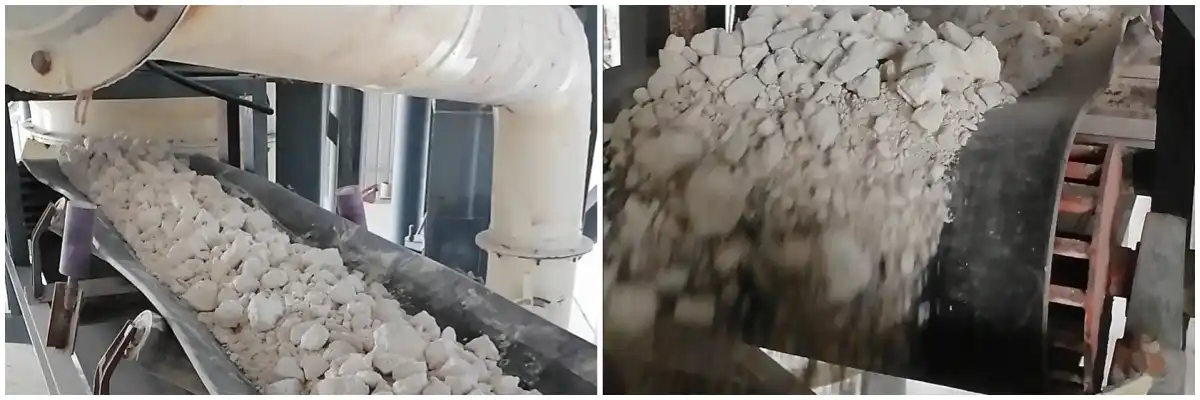
Common Limestone: Has low moisture content (<2%). It can be ground directly using a Raymond mill without the need for drying equipment.
Marl: Contains high clay content and relatively high moisture (>6%). When choosing a Raymond mill, drying equipment is required for pretreatment. Alternatively, a vertical roller mill can dry the material using hot air during the grinding process, eliminating the need for a separate pre-dryer.
Which Limestone Grinding Mill Manufacturer is the Best?
After reading the introduction above, you may have realized: choosing a limestone grinding mill is not about picking the most expensive one, but about making a comprehensive match based on actual fineness requirements, raw material characteristics, production scale, and budget.
So here's the question: once you've selected the right type of equipment, which manufacturer should you choose? We recommend Cronus Machinery. Why choose us?
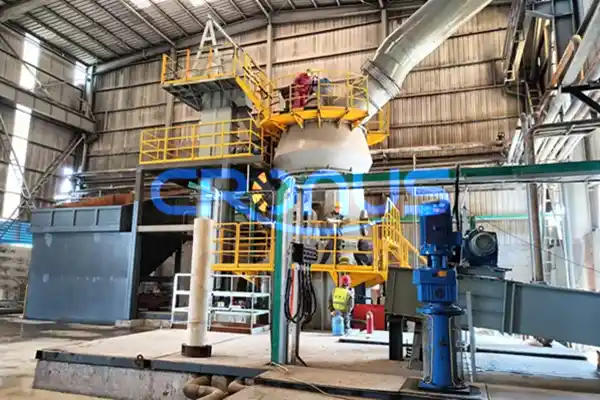
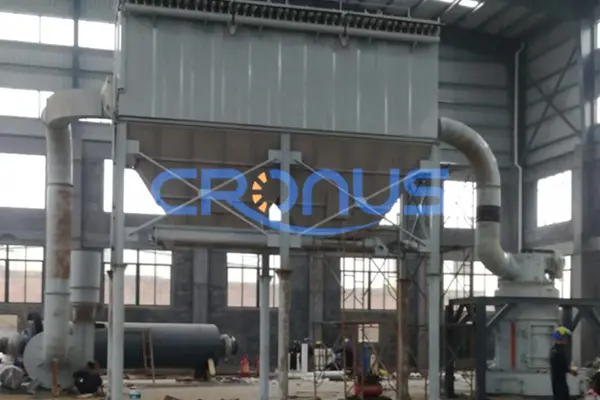
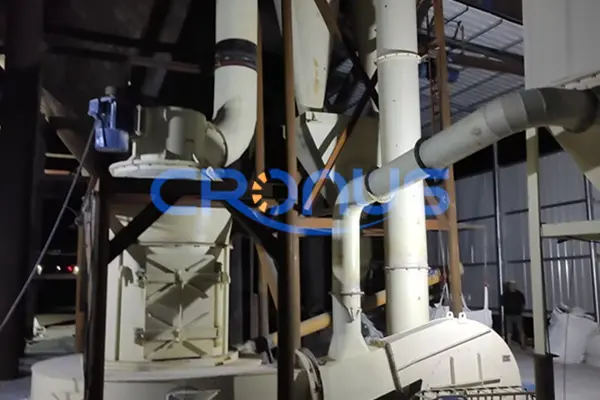
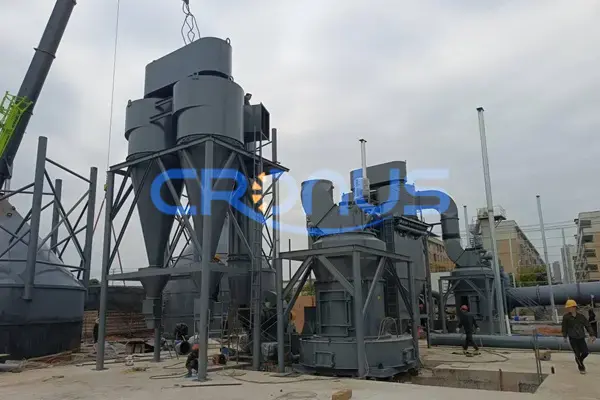
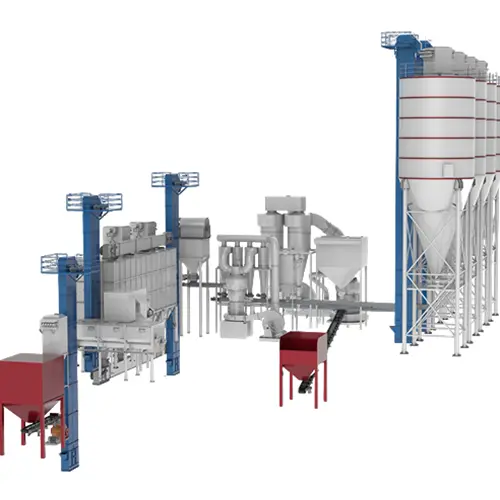
First, because our product line is comprehensive. We offer Raymond mills for 80~400 mesh, ultra-fine grinding mills for fineness above 400 mesh, and high-capacity vertical roller mills, covering a wide range of models to meet all your limestone grinding needs. Additionally, we supply complete production line equipment, including jaw crushers, magnetic separators, and more. You won't need to source components from multiple suppliers to piece together a production line; you can obtain a professional limestone grinding solution all in one place.
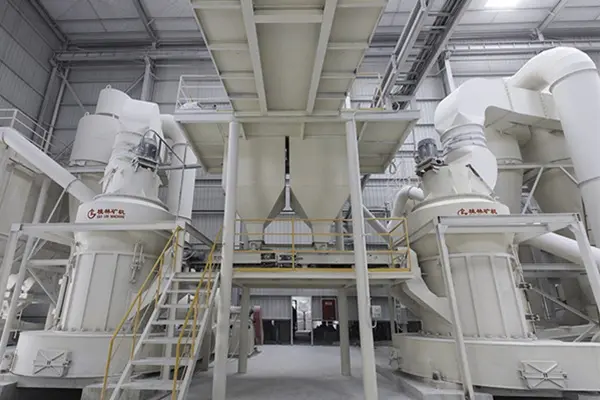
Second, limestone is one of our most mature processing fields. With 50 years of industry experience, we have served thousands of customers worldwide. Our successful cases span applications such as power plant desulfurization, asphalt fillers, plastic filling, coatings, and large-scale desulfurization projects, fully addressing your diverse needs.
Finally, if you still have questions about limestone grinding processes, you can click on "Limestone Grinding Mill and Production Line Process" for more details, or contact us directly. We offer free technical consulting services. You are welcome to visit our factory for inspection and machine testing at any time, or send us your limestone analysis report (calcium content, silica content, whiteness) and samples. We will match the most suitable equipment solution based on your raw material characteristics.
- Previous Article:Comparative Analysis of Suspension Type and Vertical Swing Type Raymond Mills
- Next Article:Which Raymond mill manufacturer is the best?
 Home
Home Products
 About
About Call
Call