

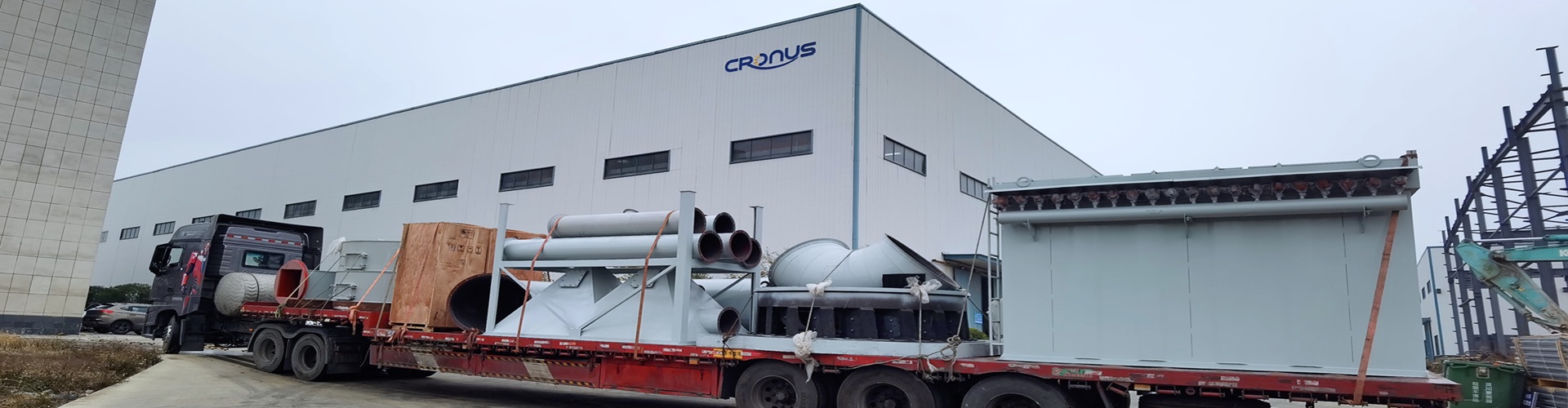
Water Slag Grinding Mill and Production Line Process
- Time:2026-05-22
- Views:24
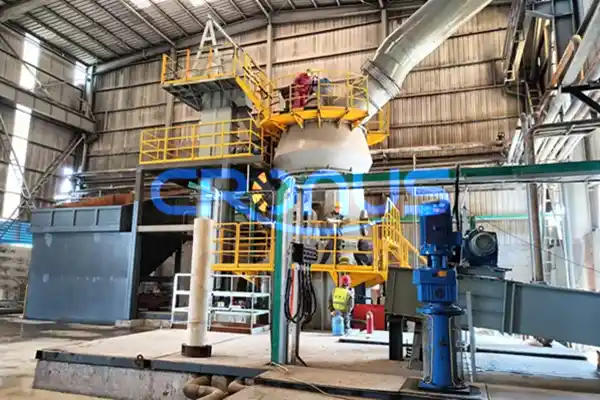
A water slag grinding mill is a powder production equipment that grinds lump and granular blast furnace water slag into high-fineness, high-activity mineral powder. For equipment selection, the Vertical Mill is the preferred choice, as it is equipped with an integrated drying system featuring excellent drying performance, capable of directly processing water slag raw material with a moisture content of 8%–15%.
What is water slag? Why grind it into powder?
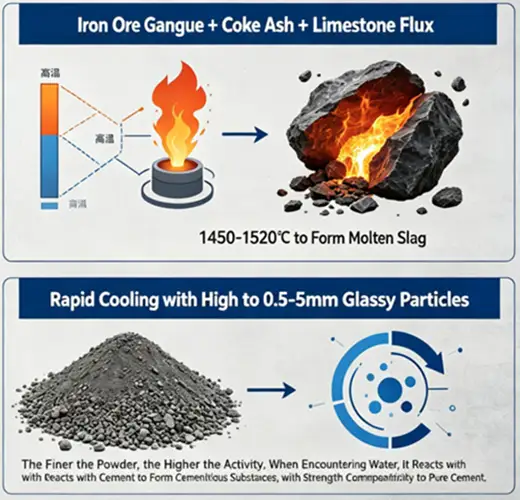
Water slag is the waste residue left over from ironmaking in blast furnaces. In the past, it was all hauled off to fill pits. Now, ground into fine powder, it can be used as a cement substitute, selling for 200-300 RMB per ton. High-end S105 grade can sell for over 400 RMB per ton, truly turning waste into treasure. Its formal name is granulated blast furnace slag (GBFS). It is formed from the gangue in iron ore, coke ash, and limestone flux, melted into molten slag at high temperatures of 1450~1550°C, then rapidly cooled by high-pressure water into glassy small particles of 0.5~5mm. The finer the powder is ground, the higher its activity. When mixed with water, it reacts with cement to form cementitious materials, with strength comparable to pure cement.
According to the national standard GB/T 18046-2017, mineral powder is classified into three grades: S75, S95, and S105. Currently, 90% of the market is S95 grade, used in concrete batching plants. S105 is used in high-end applications, specifically for high-performance concrete projects such as high-speed railways and bridges, priced 50~80 RMB per ton higher than S95.
What should be noted in a water slag grinding production line?
Moisture Control: The moisture content of the raw material must be strictly controlled before entering the mill. Do not take chances. If the moisture content exceeds the limit, the material will form a cement-like paste inside the mill, leading to pipeline blockage and mill coating, affecting production output.
Iron and Impurity Removal: A strong magnetic separator must be installed and cleaned regularly. Iron particles and lumps in water slag have high hardness, which will accelerate the wear of components such as grinding rollers. A set of grinding rollers costs over a hundred thousand RMB, and replacing them is costly. Steel slag and construction waste must never enter the mill. Even if only 5% is mixed in, the powder activity index will drop by 10 points directly, downgrading S95 to S75, losing dozens of RMB per ton, and customers will return batches.
Environmental Protection: Fully enclosed negative-pressure operation is standard. High-efficiency pulse bag filters must be used for dust collectors, with dust emission ≤10mg/m³. Otherwise, environmental authorities will penalize you. Exhaust gases from drying should be desulfurized and denitrified as needed. Do not skimp on these costs; a single fine is enough to install ten sets of equipment.
Safety Protection: Lockout/tagout procedures must be followed during mill maintenance. Do not pile any杂物 around the hot blast stove. Fire-fighting equipment must be fully equipped and properly placed. Safety valves and pressure gauges on pressure vessels and pipelines must be inspected every month. Do not leave them as mere decorations.
How to select the right water slag grinding mill?
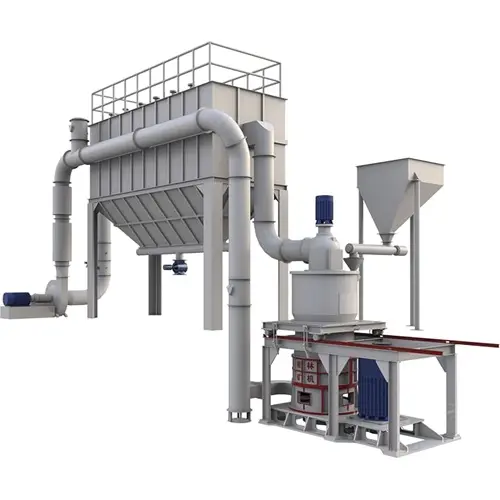
For water slag grinding mills, the Vertical Mill is the preferred choice due to its strong drying capacity, good grindability matching, and low wear on wear parts, making it suitable for large-scale industrial continuous production of water slag. Although Raymond Mills and ultra-fine ring roller mills can process water slag, their production scale is relatively small, and they must be equipped with drying systems with strict control over raw material moisture content, making them suitable only for small processing plants. Ball mills have high overall energy consumption and require separate drying and classification systems, resulting in a complex process flow. They are not recommended for new water slag grinding production lines and can only be used for retrofitting old equipment.
Vertical Mill
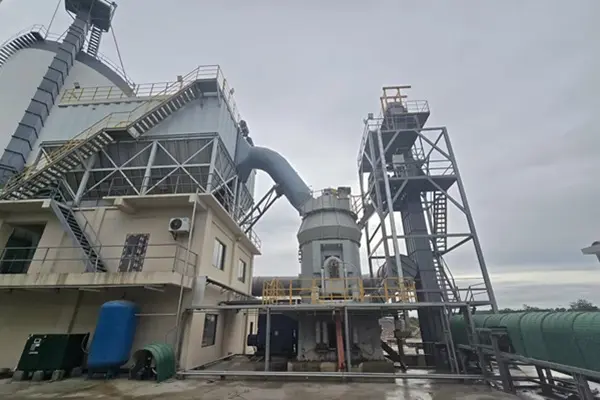
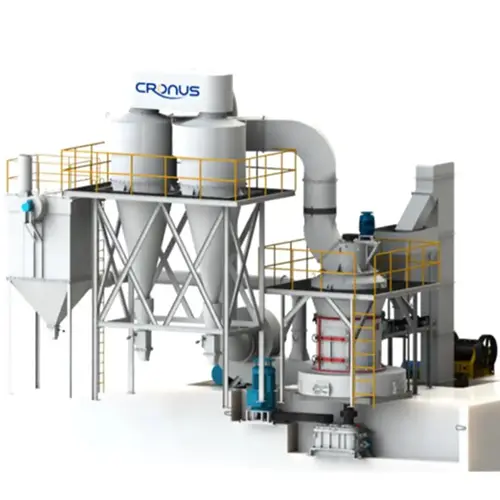
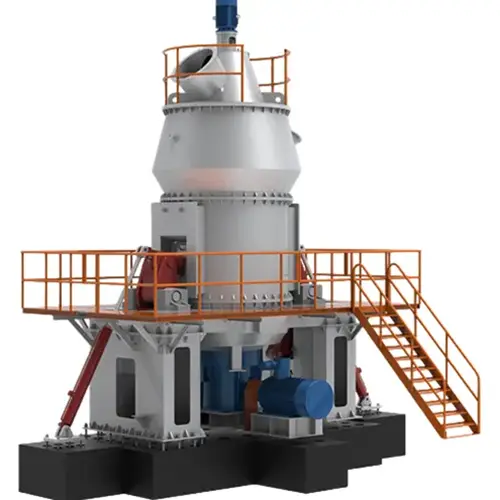
The Vertical Mill can stably produce S95 grade high-activity mineral powder and is currently the main equipment for water slag grinding on the market. The equipment integrates crushing, drying, grinding, and classifying. Water slag with a moisture content of 8%-15% can be fed directly, with strong drying capability, resisting mill coating and pipe blockage. The finished product features uniform particle size distribution, high activity, and low energy consumption, suitable for steel plant supporting facilities and large-scale building material group production.
Coarse Powder Vertical Mill
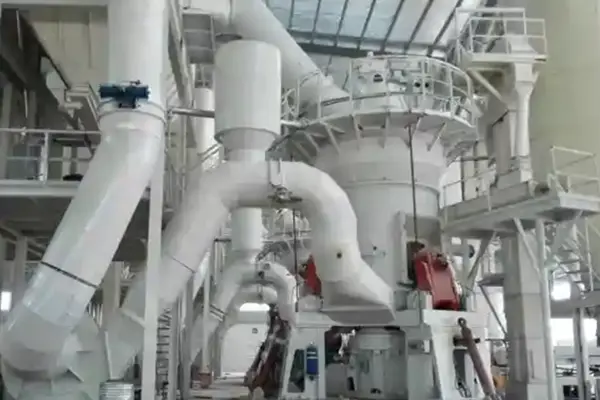
The Coarse Powder Vertical Mill is specifically designed for materials with large feed size and high moisture, such as water slag. It accepts a feed size of ≤120mm and can directly process raw material with a moisture content of ≤25%, offering the strongest drying capability. Materials with 8%~20% moisture can be fed directly without drying or a pre-dryer. It features static classification, high throughput, and no blockage. However, the fineness is only 40~325 mesh, suitable only for S75 coarse mineral powder, sinter feed, road base material, and low-end admixtures. For coarse powder only, its cost-performance ratio is extremely high.
Ultrafine Vertical Mill
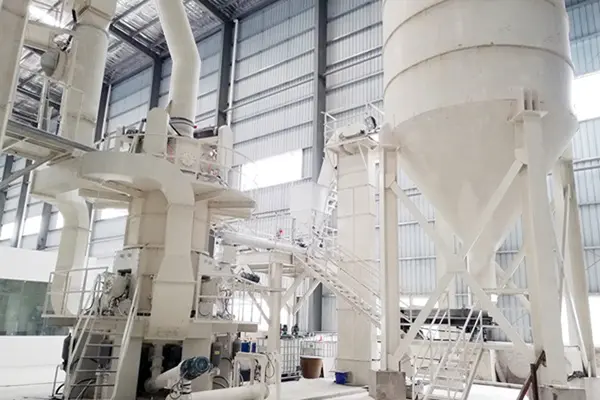
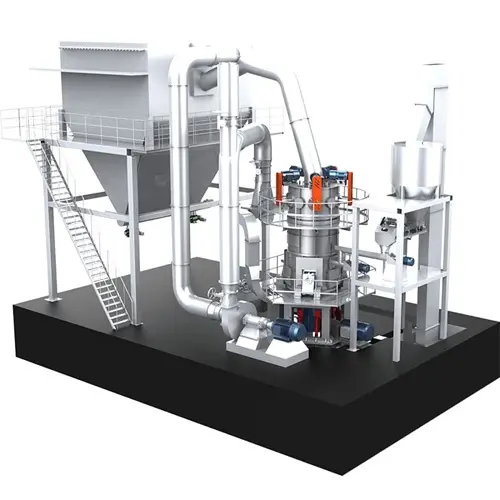
The Ultrafine Vertical Mill is mainly used for producing S105 grade high-end mineral powder, with a finished fineness of 400~2500 mesh and higher specific surface area. Equipped with a powerful integrated drying system, water slag with a moisture content of 8%~15% can be fed directly, suitable for large-scale high-end water slag ultrafine powder production lines.
How is water slag ground into powder?
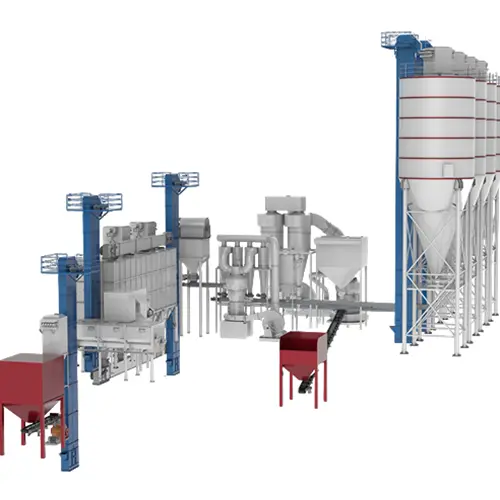
The water slag grinding production line typically uses a Vertical Mill as the core equipment. The raw material first passes through a magnetic separator to remove iron impurities, then is conveyed by a bucket elevator to the pre-mill silo. A quantitative feeder delivers material accurately and stably into the Vertical Mill for integrated grinding and drying. During production, the hot air temperature must be strictly controlled within a reasonable range. If the temperature is too high, the activity of the mineral powder will be burned off, reducing quality. If the temperature is too low, the material will not be dried thoroughly, leading to mill coating and pipe blockage.
The ground powder is carried by airflow into the classifier for screening. Coarse powder falls back onto the grinding table for regrinding, while qualified fine powder enters the pulse jet bag filter with the airflow for gas-solid separation. The collected powder is the finished mineral powder, and the purified exhaust gas is discharged through the induced draft fan in compliance with standards. The final finished mineral powder is conveyed by a screw conveyor and bucket elevator to the finished product silo for storage, completing the entire grinding process.
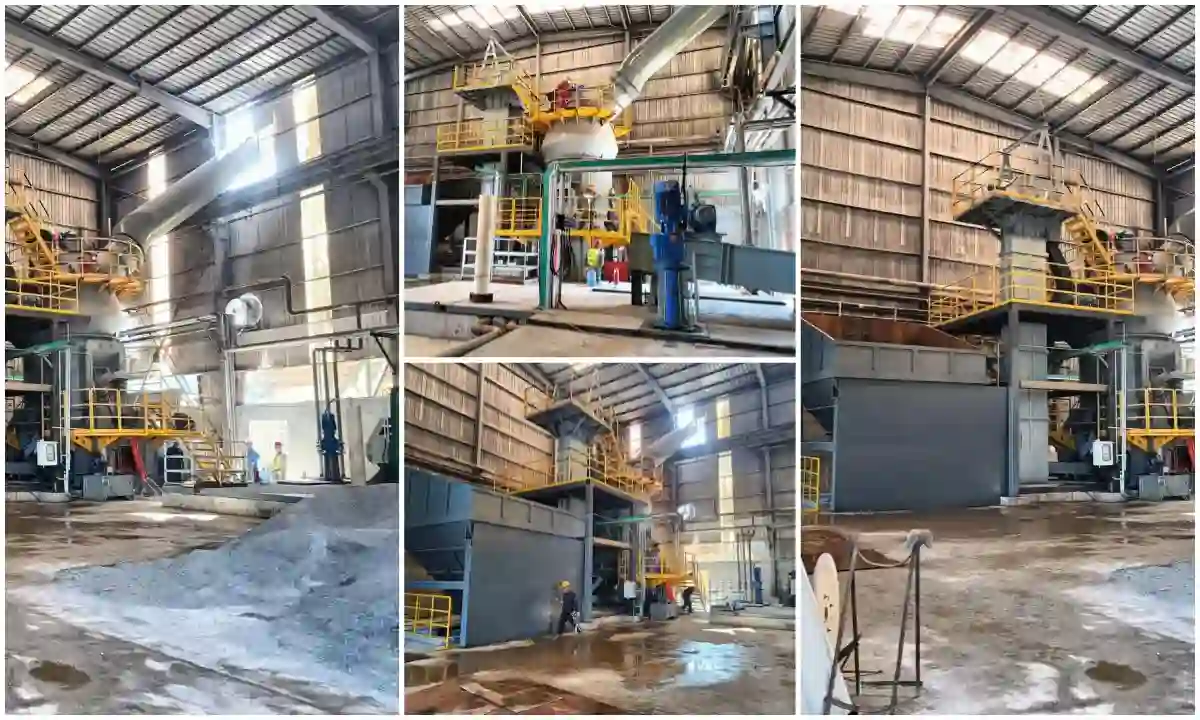
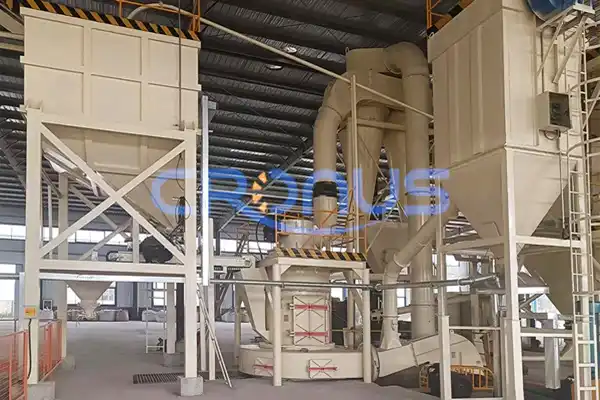
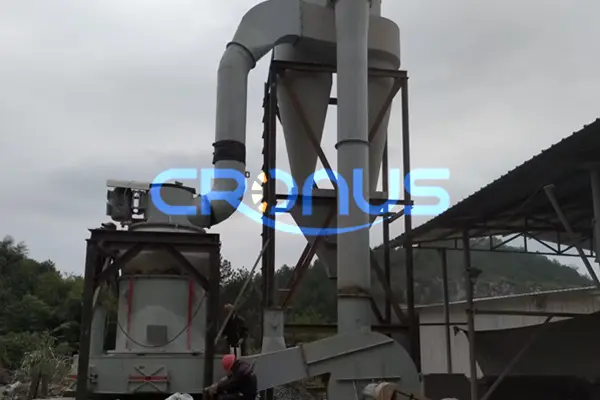
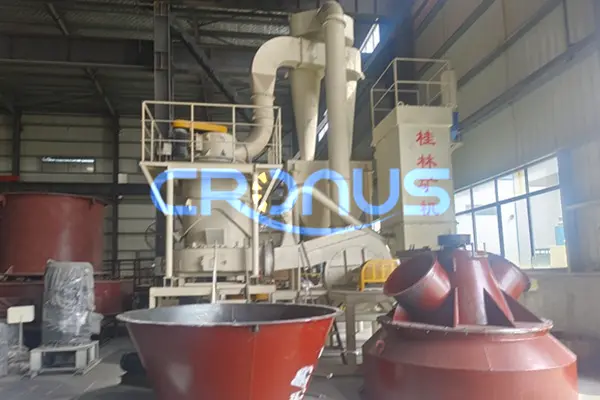
Cronus Machinery Water Slag Grinding Mill Customer Site
Frequently Asked Questions About Water Slag Grinding
What if the glass content of water slag is low, causing the activity index of the ground powder to fall below standard?
When the glass content of water slag is below 85%, it is difficult for the produced mineral powder to meet the activity index requirements of S95 or S105 grade. The preferred solution is to use granulated water slag produced by high-pressure water rapid cooling, eliminating naturally slow-cooled crystalline slag. During grinding, add 3%~5% gypsum to activate activity, optimize grinding fineness, and control the specific surface area of the mineral powder at 400~450m²/kg to enhance the hydration reaction rate, thereby increasing the activity of the finished mineral powder.
How to handle equipment corrosion and scaling in a water slag grinding mill during long-term operation?
Water slag contains small amounts of sulfides and alkaline substances. In the humid and hot environment inside the mill, this can easily cause corrosion and scaling in air ducts and the housing. Solutions include applying anti-corrosion coatings to hot air ducts, regularly cleaning scaling from the equipment, and controlling the internal mill temperature below 120°C to reduce moisture-related corrosion, thereby extending the equipment's service life.
Is there a risk of dust explosion with fine water slag powder?
Water slag is an inorganic mineral and is not flammable by itself. However, when fine powder reaches a certain concentration in a confined space and encounters an electrostatic spark, there is a slight risk of explosion. Safety precautions must be taken during production.
Recommendations
-
 How to construct a standard foundation for a Raymond Mill?
 -
 Can Sand‑Powder Integrated Machines Truly Achieve Co‑production? Equipment Selection Guide
 -
 Deep‑Dive Analysis of Working Principle of Raymond Mill
 -
 Why do the grinding roller shaft and the central shaft of a Raymond mill need to undergo heat treatm
 Home
Home Products
 About
About Call
Call