

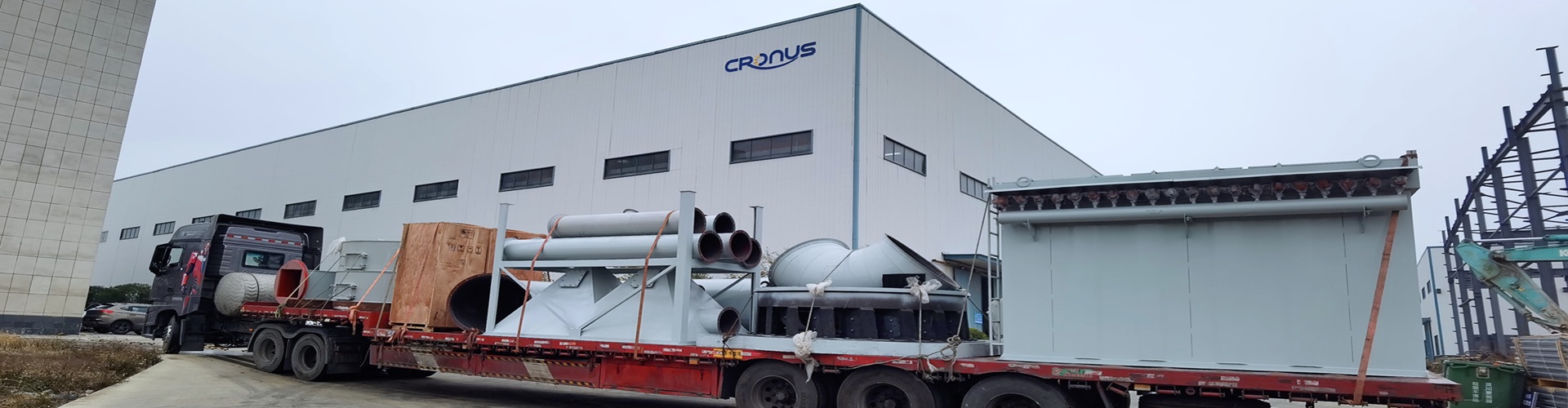
Limestone Grinding Mill and Production Line Process
- Time:2026-03-03
- Views:144
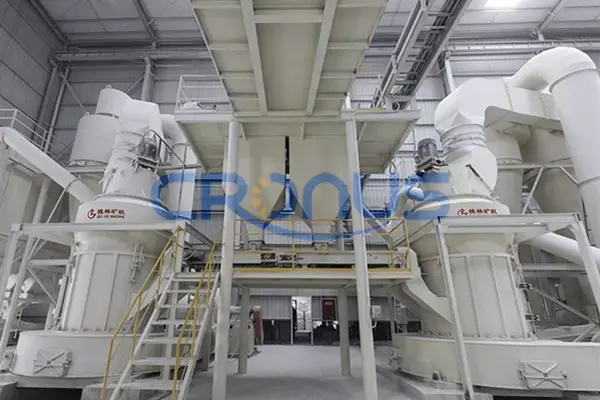
A limestone grinding mill is equipment that grinds limestone into powder. For processing 80~400 mesh, the Raymond mill offers the best cost-performance ratio. For ultra-fine powder above 400 mesh, the ultra-fine ring roller mill is the choice. For large-scale, high-capacity production, the vertical mill is recommended. The production line requires control of feed size and moisture content, and must be equipped with an iron remover to ensure the quality of the finished limestone powder.
What is Limestone?
Limestone is a sedimentary rock primarily composed of calcium carbonate (CaCO₃) as its main mineral constituent, containing trace impurities such as silicon, aluminum, and iron. Its color varies depending on the impurities, generally appearing white, gray-white, or bluish-gray. With a Mohs hardness of approximately 3 and a density of 2.5~2.7 g/cm³, it is a medium-soft material with brittle properties that make it easy to grind.
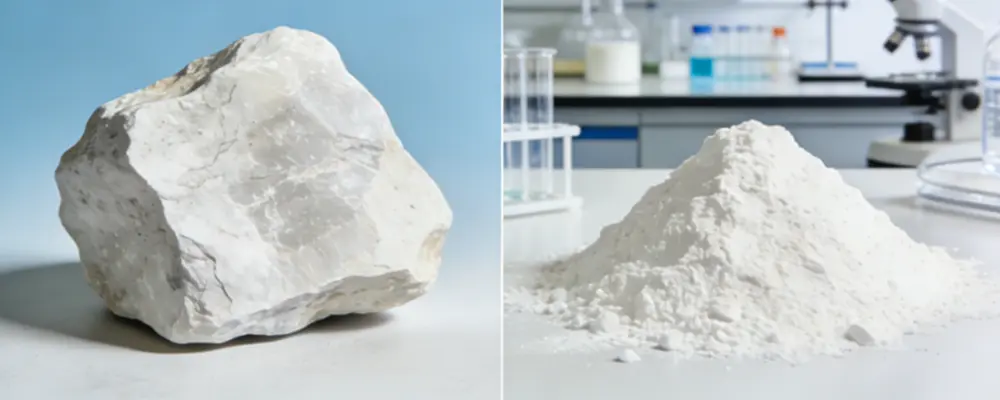
The limestone powder produced through purely physical crushing and grinding processes is also known as Ground Calcium Carbonate (GCC). Leveraging its excellent chemical stability, good whiteness, and high filling value, this powder has a wide range of applications in industries such as construction materials, chemicals, metallurgy, and environmental protection.
Key Considerations for Limestone Grinding Production Line
Feed Size: Generally, the smaller the feed particle size entering the mill, the lower the energy consumption and the higher the output. Large limestone blocks must be crushed by a crusher to meet the mill's feed size requirements (typically less than 30~40mm). Excessive or uneven feed particle size can accelerate wear on the grinding rollers and rings, and may even cause vibration in the main unit. It is recommended to equip the feeding stage with a variable frequency feeder to ensure material enters the mill uniformly and quantitatively.
Moisture Content: Limestone typically has low natural moisture content. If the moisture content exceeds 5%, it can easily cause mill clogging and reduce efficiency during grinding. It is necessary to consider equipping drying equipment or selecting a mill with drying capabilities.
Impurity Control: Limestone may contain hard impurities such as silica and iron materials. If these are mixed into the mill, they can severely damage the grinding rollers, rings, and even the main unit. Before feeding, magnetic separators and screening equipment should be installed on the conveyor belt to remove impurities. This protects the equipment while preventing iron contamination, thereby ensuring the purity and whiteness of the finished limestone powder.
Equipment Wear: Although limestone is not very hard, long-term grinding will still cause wear to the mill. It is recommended that core grinding components such as grinding rollers and rings be made of wear-resistant materials.
How to Choose the Right Limestone Grinding Mill?
Raymond Mill
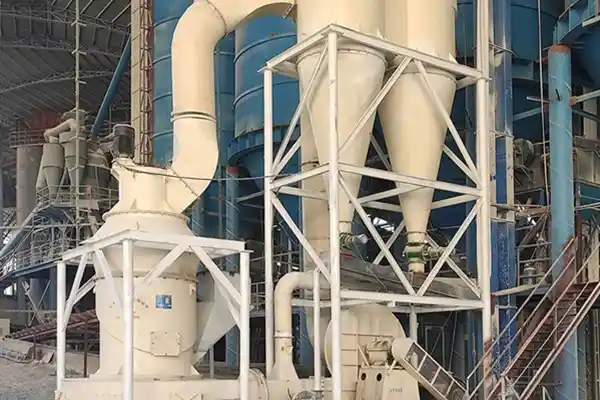
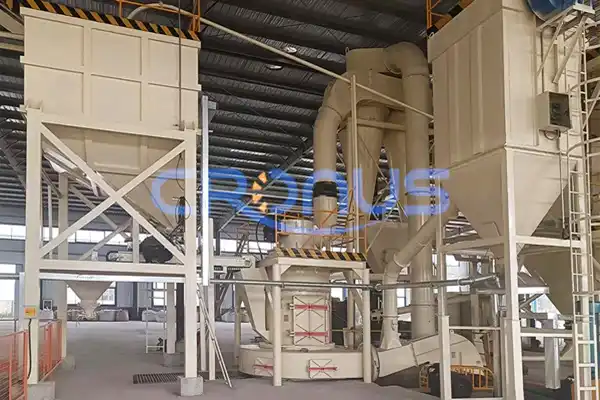
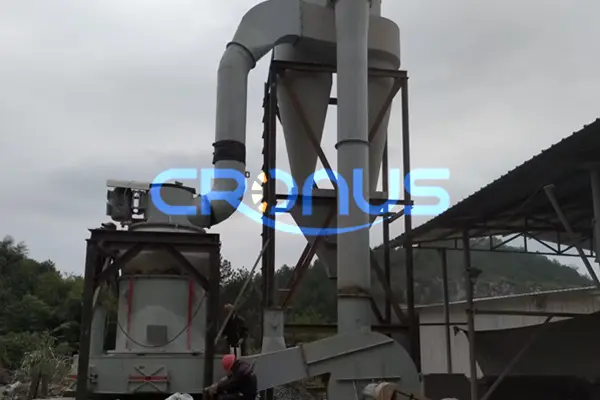
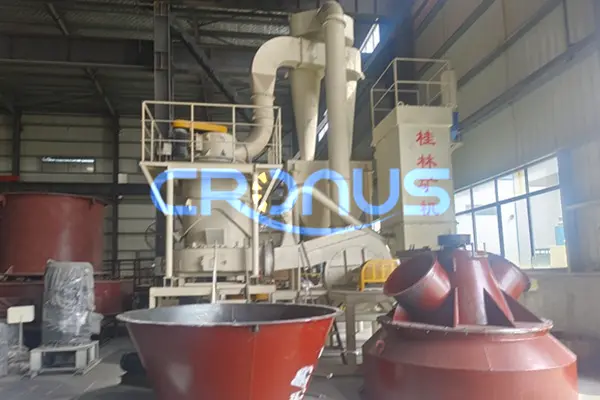
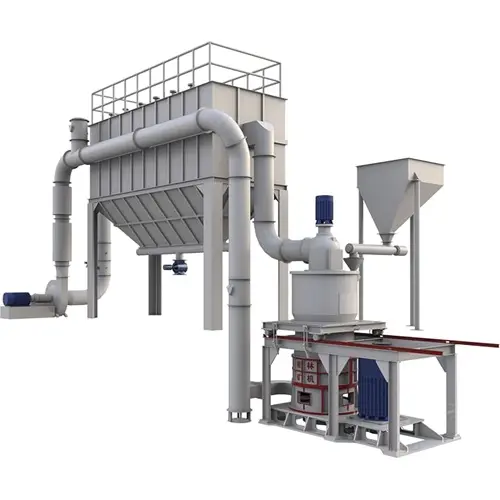
The Raymond Mill offers high cost-performance for processing limestone in the 80~400 mesh range. The grinding rollers and rings are made of high manganese steel, providing a long wear life when processing limestone with high calcium carbonate content. The finished limestone powder has uniform particle size, with a 325 mesh sieve passing rate that consistently meets standards. The system operates under negative pressure, effectively suppressing dust leakage. With its economical price, it is suitable for processing fine limestone powder for applications such as power plant desulfurization, asphalt pavement filler, glass raw materials, and feed additives.
Ultrafine Grinding Mill
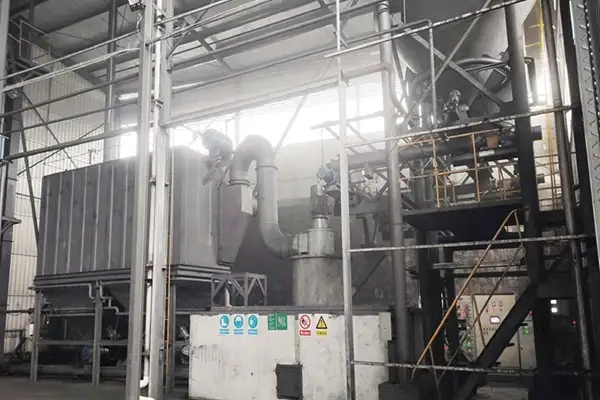
The ultrafine ring roller mill is the preferred equipment for processing 400~2500 mesh ultrafine limestone powder. Utilizing multi-layer grinding principles and high-precision turbo classification technology, it ensures concentrated particle size distribution in the finished limestone powder, with fineness meeting the stringent requirements of high-end applications. Compared to jet mills, it offers lower power consumption, making it suitable for small to medium-scale ultrafine limestone powder processing in industries such as plastics, coatings, papermaking, rubber, and sealants/adhesives. For larger-scale production requirements, the ultrafine vertical mill can be selected as a solution, though the corresponding investment will be higher.
Vertical Mill
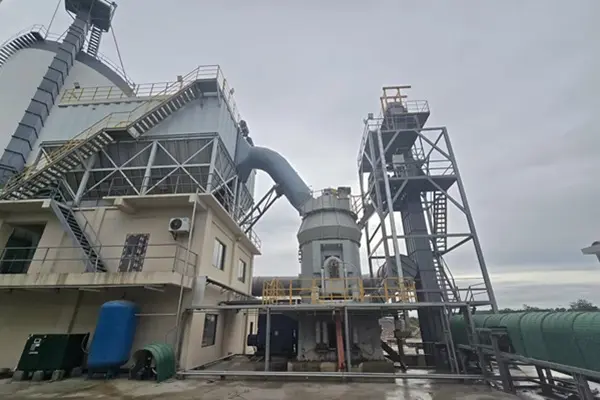
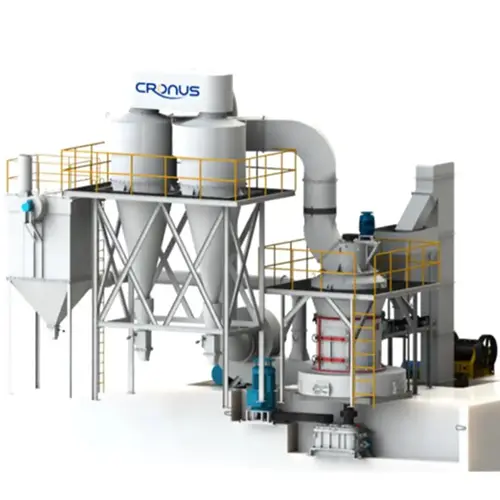
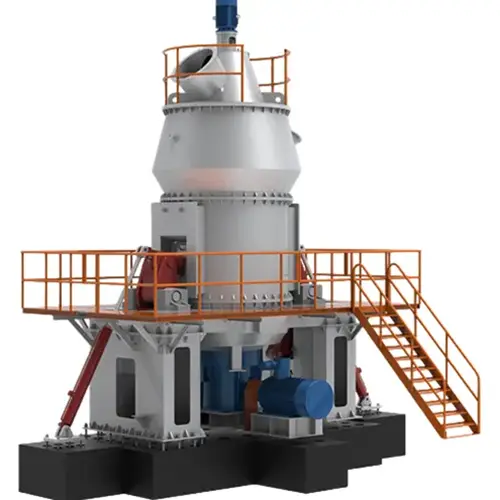
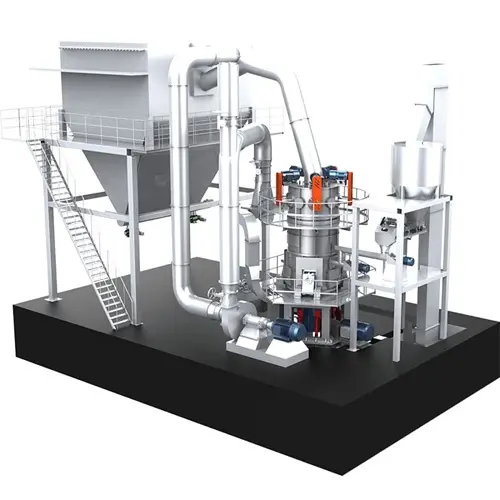
The Vertical Mill has a higher initial investment cost but lower operating energy consumption. Its unit power consumption for processing limestone is significantly lower than other grinding equipment. It has strong drying capacity and can directly handle limestone materials with moisture content up to 15%, eliminating the need for pre-drying equipment. The grinding rollers do not make direct contact with the grinding table, effectively reducing metal contamination and ensuring the whiteness and purity of the finished limestone powder. It is suitable for large-scale, high-output limestone grinding for applications such as large power plant desulfurization projects, steel plant sintering agents, and large-scale building material bases.
Limestone Grinding Production Line Process Flow
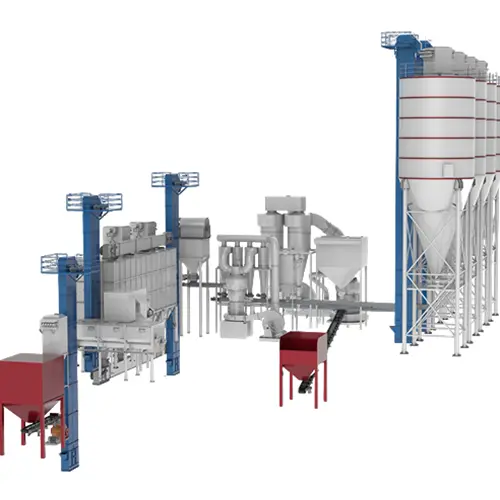
In a typical limestone grinding production line, a vibrating feeder uniformly sends large limestone blocks (≤400mm) into a jaw crusher, where they are crushed into 30~50mm gravel. Iron impurities are removed by a magnetic separator. Subsequently, depending on the mill type, a hammer crusher may be used to further reduce the particle size to ≤20mm.
The limestone material, now meeting the mill feed requirements, is then stored in a raw material silo via an elevator. An electromagnetic vibrating feeder quantitatively feeds the material into the main grinding mill for grinding and classification.
The collection system generally uses a cyclone collector for primary collection, followed by a pulse bag filter for secondary purification, ensuring exhaust emissions meet standards.
The entire system operates under negative pressure without dust leakage. Finally, the finished limestone powder is gathered by a screw conveyor and sent by an elevator to a finished product silo for packaging.
Application Scenarios of Limestone Grinding Mills
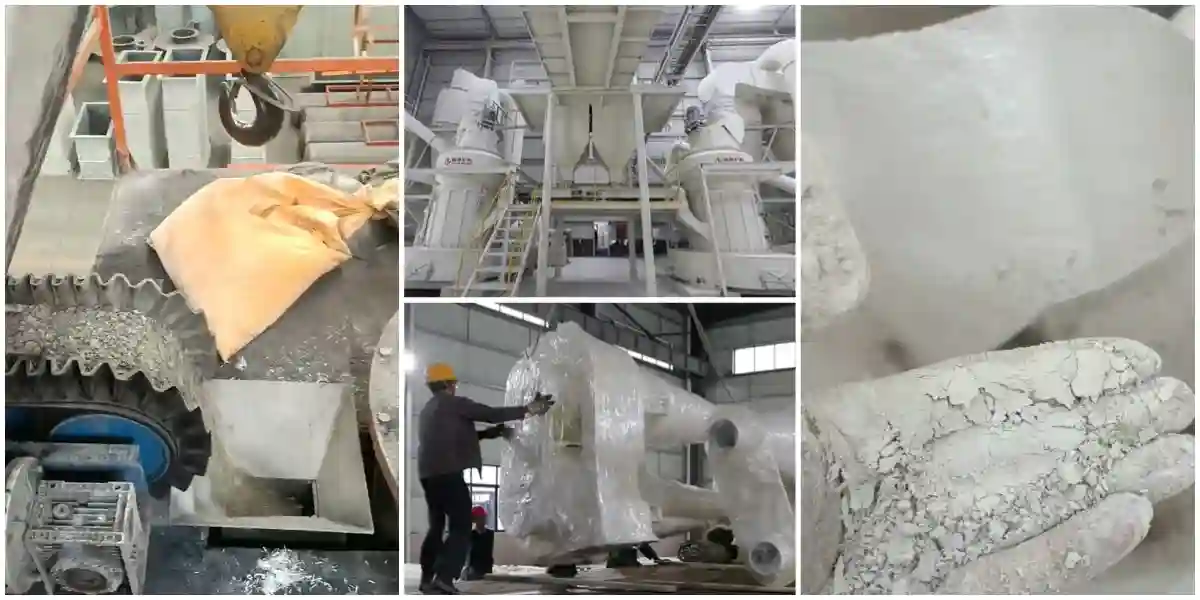
Frequently Asked Questions about Limestone Grinding
What to do if the limestone grinding mill output turns black?
Under normal circumstances, raw limestone has high whiteness, and the ground powder generally does not turn black. If the raw ore itself has high impurities, ore washing equipment can be used for purification. A magnetic separator should be installed before grinding to effectively remove impurities from the limestone raw material, ensuring the ground powder is white and pure. During the grinding process in the mill, iron particles from worn grinding rollers and rings can mix into the powder, causing it to turn black. Therefore, it is recommended to choose wear-resistant materials such as high-chromium alloy for the core grinding components to reduce the generation of iron particles at the source.
Which is better for processing limestone, Raymond mill or vertical mill?
There is no absolute "better" between Raymond mills and vertical mills for processing limestone; only which one is more suitable. Vertical mills are suitable for large-capacity, continuous operation scenarios, offering energy savings and environmental protection, but require a high initial investment. Raymond mills have a lower investment cost and are simpler to maintain, making them suitable for small to medium-scale limestone powder processing in the 80-400 mesh range. The selection must comprehensively consider factors such as raw material characteristics, required finished product fineness, production scale, and investment budget.
Can a limestone grinding mill perform direct activation and modification?
Limestone powder used in high-end applications such as plastics and rubber requires "coating treatment" (e.g., adding stearic acid) to improve compatibility with resins. This process is called activation modification. It is important to note that modifying agents should not be added directly inside the main grinding mill, as the high temperature and impact in the grinding zone can destroy the molecular structure of the modifying agent, leading to coating failure. The correct process flow is to first grind the limestone powder to the required fineness, and then send it to a modifier for modification treatment.
Which grinding mill to choose for processing limestone raw material with high silicon content?
Some limestone with high silicon content has a Mohs hardness close to 7, causing rapid equipment wear. Using an ordinary Raymond mill should be avoided, as the grinding rollers and rings might need replacement within days, making costs unsustainable. A vertical mill can be chosen, as its grinding rollers and table are made of better materials and can be turned over for reuse, offering high utilization. If the fineness requirement is not high, such as around 80 mesh, a ball mill could also be considered. Ball mills are particularly good at handling high-hardness materials, and the replacement cost of liners and steel balls is relatively controllable. Furthermore, limestone with high silicon content is often accompanied by high iron impurities, requiring the installation of multiple magnetic separators; otherwise, the color of the finished powder may become dark.
Recommendations
-
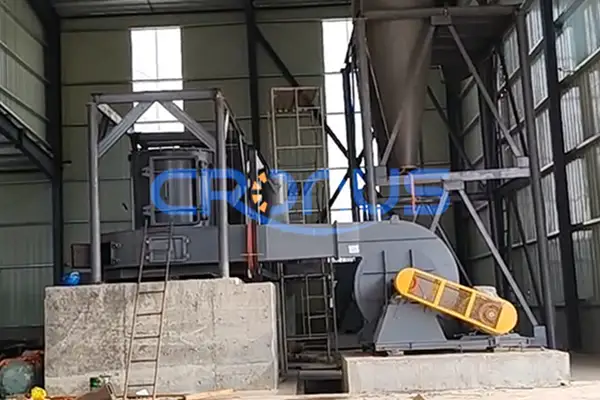 How to construct a standard foundation for a Raymond Mill?
 -
 Can Sand‑Powder Integrated Machines Truly Achieve Co‑production? Equipment Selection Guide
 -
 Deep‑Dive Analysis of Working Principle of Raymond Mill
 -
 Why do the grinding roller shaft and the central shaft of a Raymond mill need to undergo heat treatm
 Home
Home Products
 About
About Call
Call