

European Version, German Version, Vertical Swing Type Grinding Mills: Genuine Upgrade or Fake Concep
- Time:2026-05-12
- Views:17
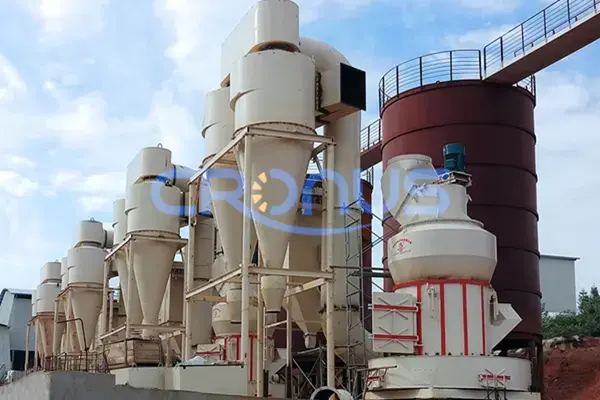
Regardless of the name, the capacity and efficiency of any Raymond mill are ultimately determined by its three core systems: grinding capability, pneumatic conveying efficiency, and powder collection performance. The healthy development of the Raymond mill industry requires manufacturers to align with the real needs of the market and users.
The Raymond mill, also known in the industry as the suspension roller mill or pendulum mill, originated in Berlin, Germany in 1906, and was scaled up for industrial application in the United States in 1925. Later, with national support, it was introduced to China, where Shanghai and Guilin became its earliest production bases.
After decades of development, over 60% of the Raymond mills currently on the market still adopt the technically mature, structurally reliable traditional suspension design. However, in recent years, new concepts such as "German version," "European version," and "vertical swing type" Raymond mills have emerged, leaving users confused and unable to distinguish between them during equipment selection.
Are these concepts genuine technological breakthroughs, or merely marketing gimmicks? This article will provide an in-depth analysis based on technical essence.
The Three Core Systems Determining Raymond Mill Performance
Regardless of the name, the capacity and efficiency of any Raymond mill are ultimately determined by its three core systems. Any genuine technological upgrade must center on these three systems. So-called upgrades that deviate from these cores are mostly just structural tweaks, appearance optimizations, or marketing gimmicks that fail to deliver substantial performance improvements.
Grinding Capability: Grinding efficiency is determined by factors such as the size of the grinding rollers and ring, grinding pressure, contact area, and plow blade feeding efficiency. The industry standard for Raymond mill models is typically based on the outer diameter of the grinding ring. For example, the GK1850 has a grinding ring outer diameter (inner diameter) of φ1850 mm. However, some unscrupulous manufacturers deliberately use larger numbers in their model names while the actual dimensions are much smaller, seriously misleading customers (larger model numbers command higher prices).
Pneumatic Conveying Efficiency: Determined by factors such as blower air volume and pressure, air duct design, and piping layout, directly affecting material conveying and classification performance.
Powder Collection Performance: Determined by factors such as cyclone collector structure and pulse dust collector performance, affecting product recovery rate and environmental compliance.
Technical Analysis of Domestic European Version, German Version, and Vertical Swing Type Raymond Mills
European Version Raymond Mill
The so-called "European version" Raymond mills promoted by some manufacturers claim to draw on advanced European technology. Their advertised main technical highlights include: bevel gear integrated transmission system, curved air duct design, internal thin-oil lubrication system, and variable frequency classifier.
However, these features are actually standard upgrades in the domestic Raymond mill industry, already widely adopted by many Chinese manufacturers. These technologies lack any European core technology authorization and have not achieved breakthrough innovations in the three core systems of grinding capability, pneumatic conveying efficiency, and powder collection performance.
In fact, technologies such as bevel gear transmission, thin-oil lubrication, and curved air ducts are optimization solutions developed by Chinese engineers through long-term practice and have no substantive connection to so-called "European advanced technology."
German Version Raymond Mill
Some manufacturers promote "German version" Raymond mills, claiming they use advanced German technology. However, from a technical perspective, the core changes mainly include the following five points: reducing the outer diameter of the quincunx frame to allow ring replacement without disassembling the frame, enlarging the grinding rollers and ring, adding a high-output plow blade, and improving the lubrication system to extend oil change intervals. These modifications are merely self-directed optimizations aimed at improving equipment maintainability and single-unit output, with no direct connection to German grinding technology. Some manufacturers even label ring roller mills (HGM series) as "German version" Raymond mills.
In fact, domestic Raymond mill technology originated from the early introduction of the old American Raymond structure, which is a completely different technical path from the German grinding system. The so-called "German version" concept is largely a marketing tactic leveraging Germany's strong reputation for manufacturing to elevate product positioning.
Vertical Swing Type Raymond Mill
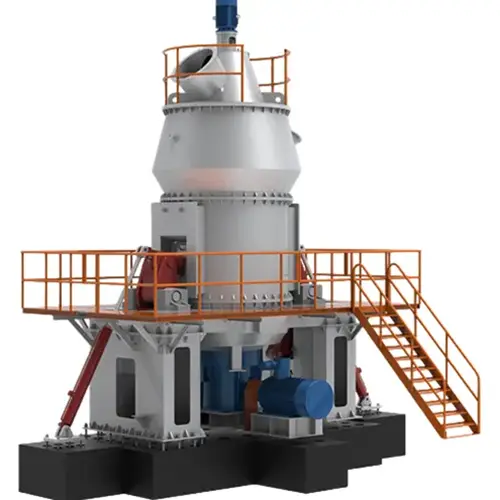
Unlike the concept-driven "German version" and "European version," the vertical swing type Raymond mill is an independent technological innovation developed by domestic companies based on the traditional suspension design. Its core improvements include: changing the grinding roller axis from horizontal to vertical tilt, changing the swing direction to longitudinal (vertical + radial compound motion), combining centrifugal force with gravity for greater grinding pressure (theoretically higher output than traditional suspension design), and increasing the contact area between the grinding roller and ring for improved grinding efficiency.
However, this structure has fundamental conflicts with actual operating conditions, including sealing reliability issues, relatively complex maintenance, and shorter wear part life. Later-stage maintenance and operating costs are significantly higher than those of the suspension design, and production stability is far inferior to that of the suspension Raymond mill, making it not a true upgrade or iterative improvement.
Cronus Machinery: A Reliable Choice for Chinese Raymond Mills
Currently, China's design and manufacturing capabilities for Raymond mills have reached the forefront internationally. However, some manufacturers still cling to the outdated mindset that "foreign technology is more advanced," overly relying on concept packaging rather than technological breakthroughs, thus deviating from the core direction of industry development.
As a long-established domestic brand with over 50 years of history, Cronus Machinery adheres to the philosophy of pragmatic research and development, starting from the actual needs of customers to solve production pain points, providing users with stable, reliable, high-efficiency, and energy-saving powder processing equipment, rather than packaging routine optimizations into marketing gimmicks like "German version" or "European version."
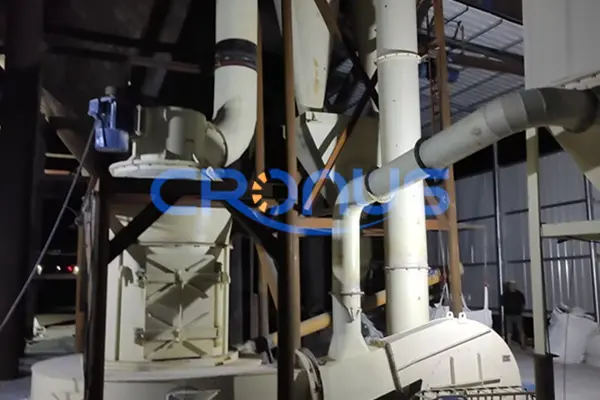
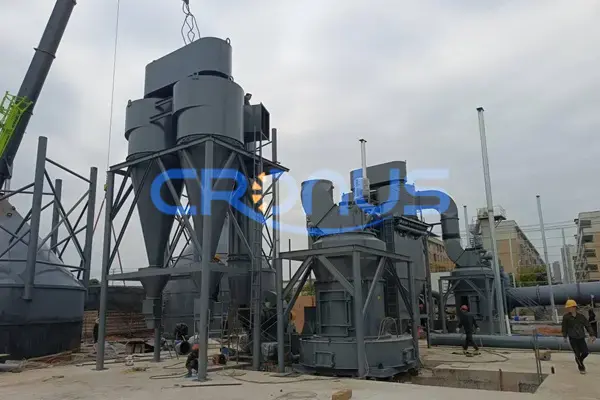
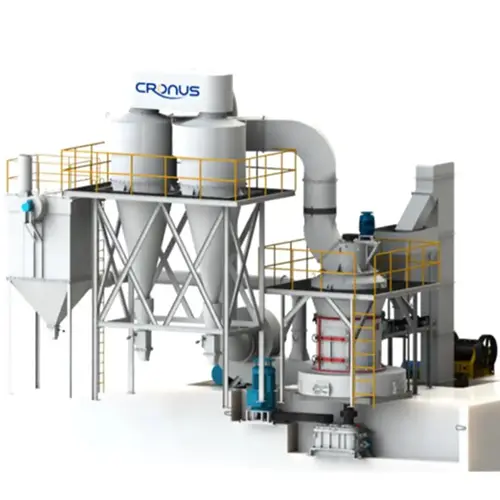
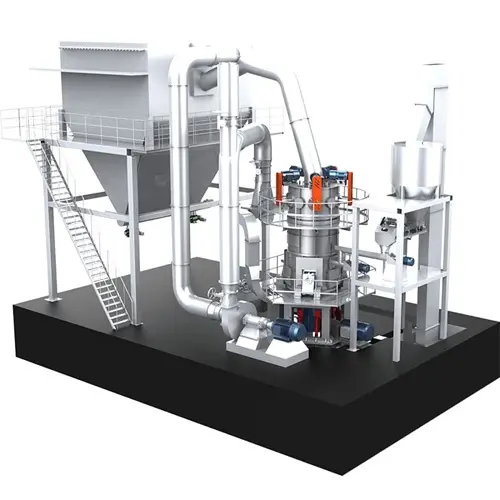
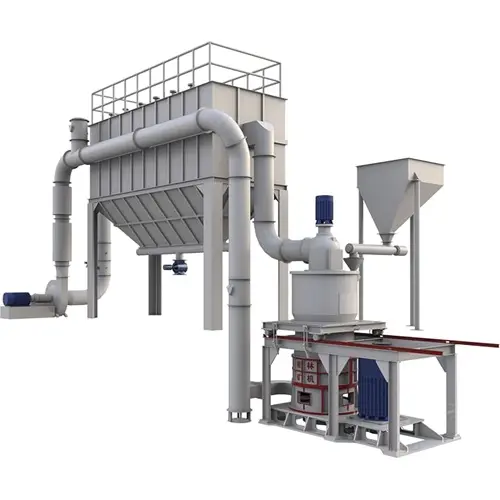
Our Raymond mill does not blindly pursue theoretical improvements in specifications but instead adopts the technically stable, market‑proven suspension design. The grinding rollers and rings are made of 100Cr6 or C45 high manganese steel and alloy steel. The air circulation system features an optimized closed negative-pressure design, and the collection and dust removal system uses parallel twin cyclones combined with high-efficiency pulse jet baghouse dust collectors. Using actual application results as the optimization standard, we are committed to promoting high-quality development of the domestic Raymond mill industry.
 Home
Home Products
 About
About Call
Call