

What is an superfine grinding mill?
- Time:2026-04-08
- Views:6
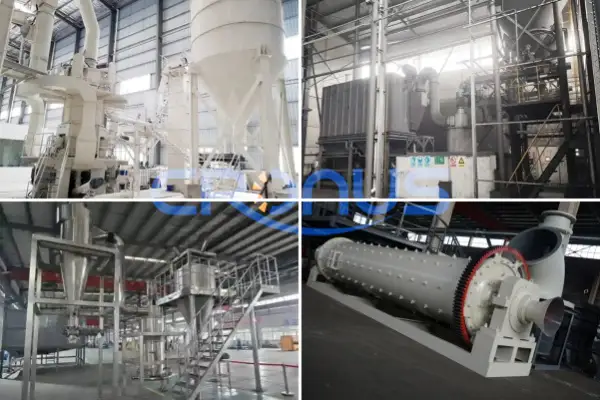
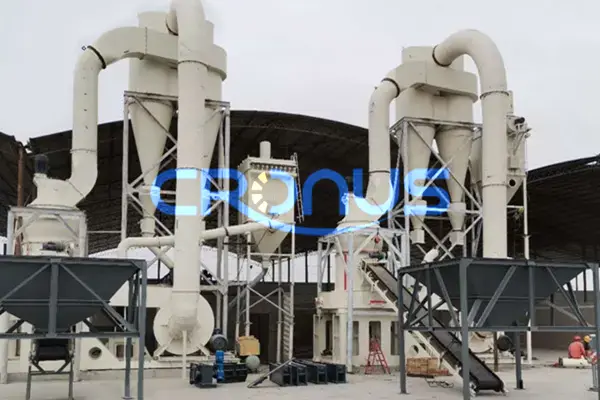
An superfine grinding mill is a type of equipment used to grind materials into ultra-fine powder ranging from 400 to 2500 mesh, with some high-end models capable of achieving 3000 mesh or finer. Common types of superfine grinding mills include ultrafine vertical roller mills, ultrafine ring roller mills, jet mills, and ball mill classifier production lines (ball mill + air classifier).
DefinitionCommon EquipmentSelection Guide
Definition of Superfine Grinding Mill
An superfine grinding mill is a type of equipment used to grind various non-metallic minerals and other materials into ultra-fine powder, typically with finished fineness ranging from 400 mesh to 2500 mesh, with some high-end models capable of achieving 3000 mesh or finer.
What Are the Common Types of Superfine Grinding Mills?
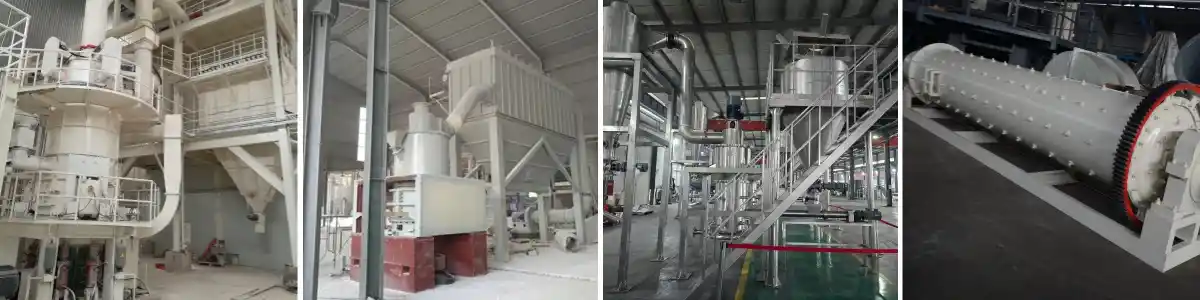
Common types of superfine grinding mills currently available on the market include ultra-fine vertical roller mills, ultra-fine ring roller mills, jet mills, and ball mill classifier production lines (ball mill + air classifier).
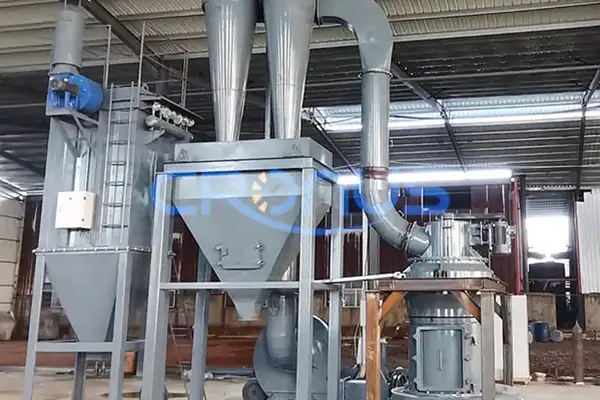
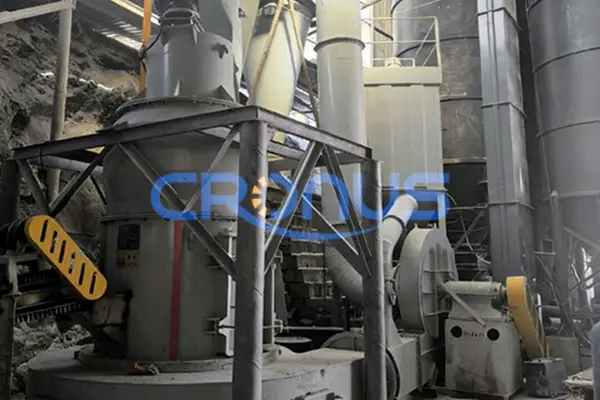
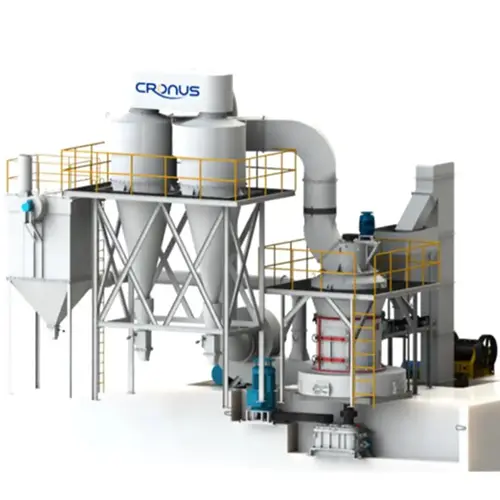
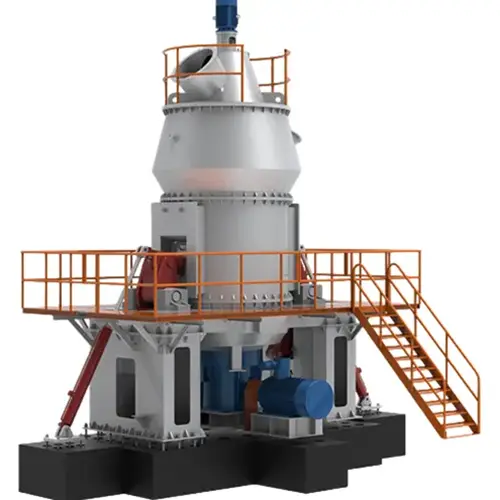
Ultra-Fine Vertical Roller Mill
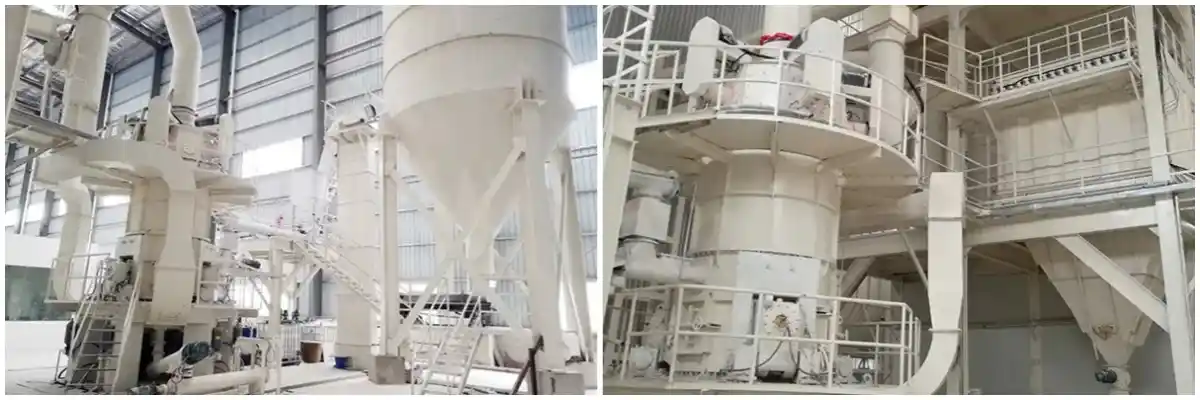
The ultra-fine vertical roller mill integrates multiple functions including crushing, drying, grinding, and classification into a single unit. It can directly process materials with moisture content ≤15%, with grinding and drying occurring simultaneously. During operation, the hydraulic system drives the grinding rollers to crush the material. The rollers are positioned above the grinding table and do not make direct contact with the table, being separated by the material bed, resulting in low metal contamination. This equipment has higher initial investment but lower operating and maintenance costs, featuring high capacity and low energy consumption.
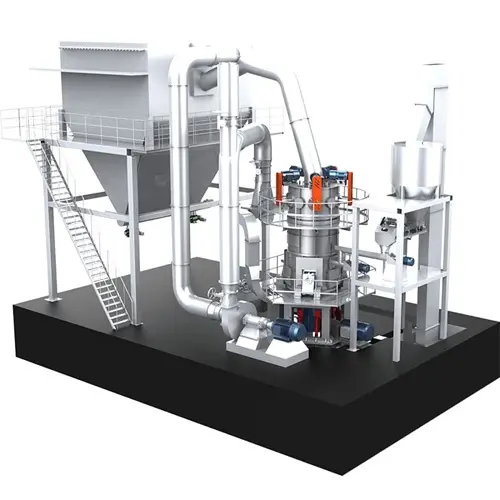
Ultra-Fine Ring Roller Mill
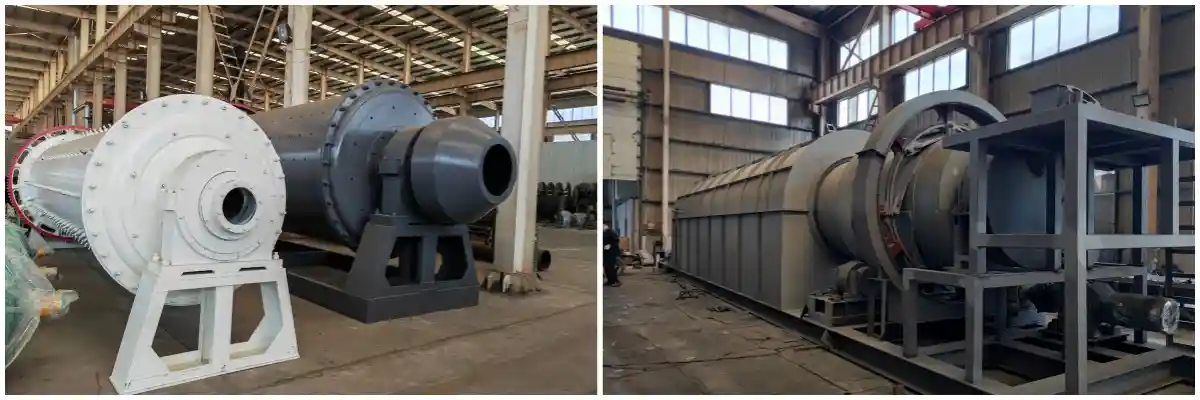
The ultra-fine ring roller mill utilizes multiple layers of grinding rings and multiple sets of grinding rollers working in coordination. During operation, multiple layers (2~4 layers) of grinding rollers and rings progressively crush the material, achieving high grinding efficiency. The finished particles are mostly spherical with good flowability. The equipment has relatively low initial investment and excellent overall cost-effectiveness, but has limited capacity and cannot meet large-scale production requirements.
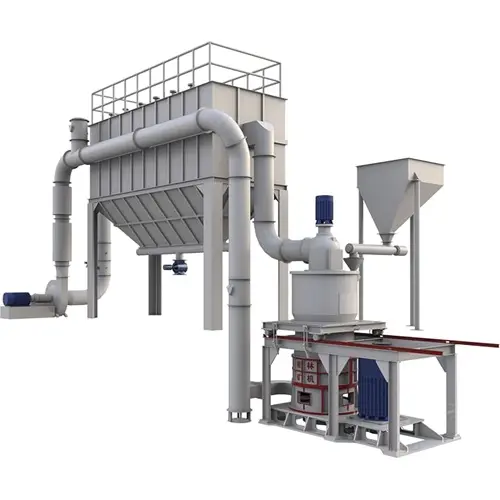
Jet Mill
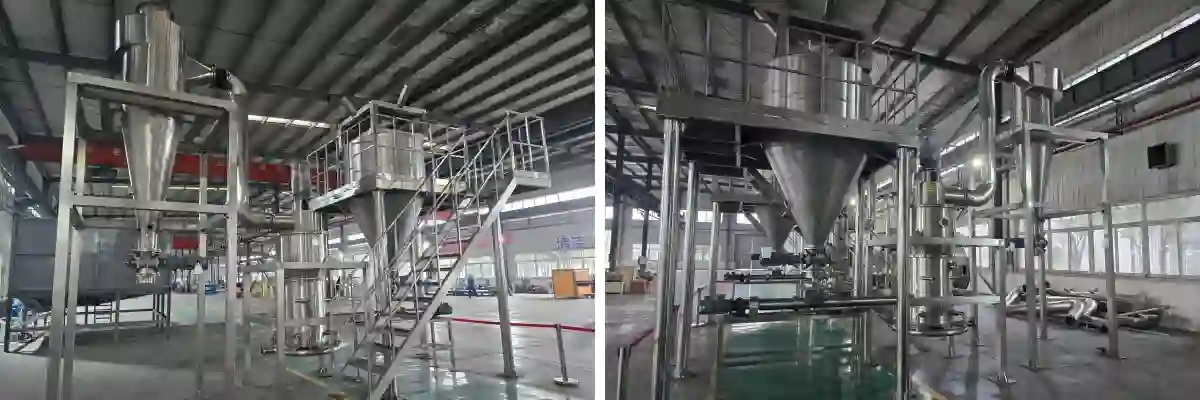
The jet mill uses supersonic airflow to pulverize materials. During operation, compressed air provided by an air compressor is used for jet milling. This process involves no media contamination, resulting in finished powder with high purity and high whiteness. However, both equipment investment and operating energy consumption are relatively high.
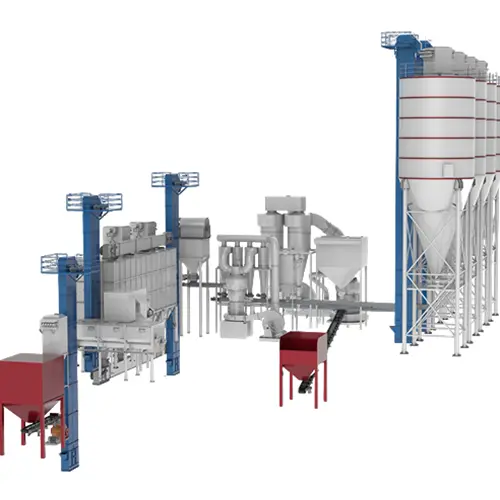
Ball Mill Classifier Production Line
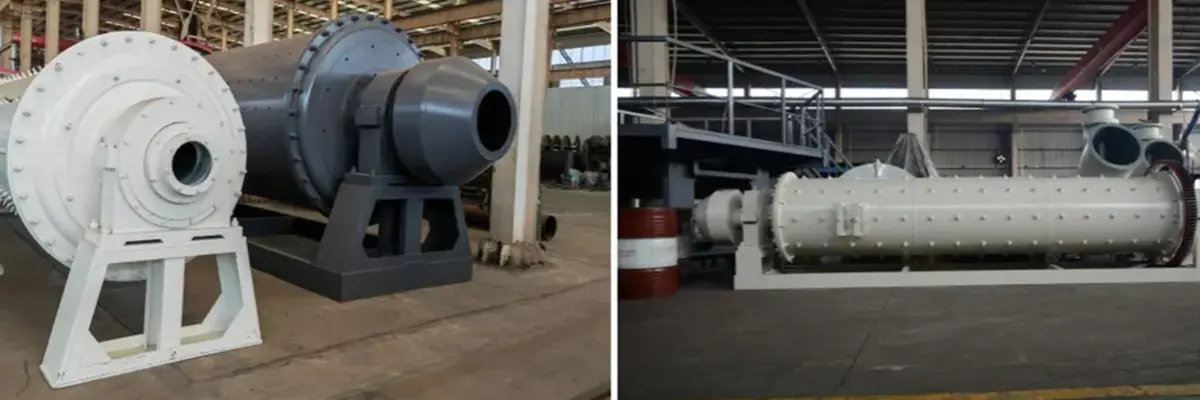
The ball mill classifier production line is a closed-circuit system consisting of a ball mill and an air classifier. The ball mill impacts and grinds the material, while the air classifier performs powder classification. Although this process is relatively complex, the system has strong adaptability and can process ultra-fine powder of high-hardness materials. By using ceramic media, metal contamination can be prevented, meeting the ultra-fine grinding requirements of high-purity materials.
How to Choose the Right Superfine Grinding Mill?
| Superfine Grinding Mill Comparison Analysis | |||
| Ultra-Fine Vertical Roller Mill | Ultra-Fine Ring Roller Mill | Jet Mill | Ball Mill Classifier Production Line |
| D97 < 2500 mesh | D97 < 2500 mesh | D97 < 2500 mesh | D97 < 2500 mesh |
| <2μm particle size content >70% | <2μm particle size content ≤30% | <2μm particle size content <50% | <2μm particle size content >30% |
| Feed size ≤30mm | Feed size ≤20mm | Feed size ≤2mm | Feed size ≤5mm |
| Low energy consumption | Medium energy consumption | Extremely high energy consumption | High energy consumption |
| Material bed grinding principle | Multi-layer roller and ring crushing | Supersonic air jet pulverization | Ball mill + air classifier, closed-circuit system |
| Rollers do not directly contact the table, low metal contamination | Mechanical wear, minor metal contamination | No media contamination, extremely high purity | Media wear, potential contamination |
| High investment cost, low operating cost | Low investment cost, excellent overall cost-effectiveness | Extremely high investment and operating costs | Medium investment cost, high operating cost |
| * The above data is for reference only. Specific parameters vary depending on materials. | |||
Large-Scale Production: Choose an ultra-fine vertical roller mill for high output, low energy consumption. Roller sleeves can be turned over for extended service life, offering high long-term return on investment.
Small to Medium-Scale Production: Choose an ultra-fine ring roller mill for low equipment investment, excellent particle shape, and high overall cost-effectiveness.
High-Value Powder: Choose a jet mill for no media contamination and extremely high finished powder purity, suitable for high-value-added, low-output applications such as food and pharmaceuticals.
High-Hardness Materials: Choose a ball mill classifier production line for strong system adaptability, particularly suitable for processing high-hardness materials such as corundum and zircon sand.
- Previous Article:No more!
- Next Article:How to select the matching feeder for a Raymond mill?
- Comparative Analysis of Raymond Mill and Ball Mill
- Comparative Analysis: Raymond Mill vs. Ultrafine Ring Roller Mill
- Comparative Analysis of Raymond Mill and Vertical Mill
- 100,000 T/Y Limestone Grinding Production Line in Sichuan
- 20,000 T/Y Calcite Grinding Production Line in Hunan
- 100,000 T/Y Dolomite Grinding Production Line in Morocco
 Home
Home Products
 About
About Call
Call