

Calcite Grinding Mill and Production Line Process
- Time:2026-03-18
- Views:84
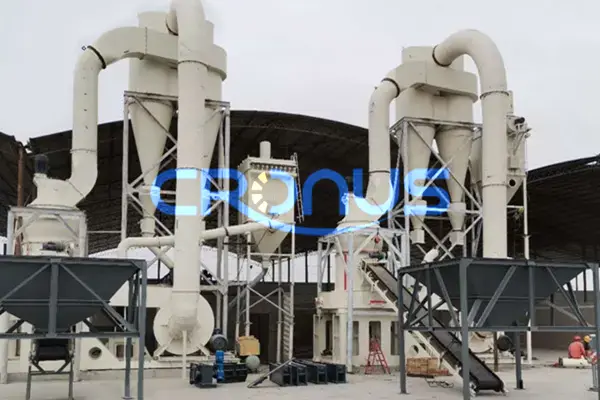
A calcite grinding mill is equipment that grinds calcite into powder. The main types include the Raymond mill, vertical mill, and ultra-fine mill. Before feeding the material into the mill, impurity removal and iron removal must be carried out, and an ore washing step can be added if necessary to maximize the whiteness of the calcite powder. If higher requirements for the whiteness and purity of the finished powder are needed, a flotation process can be added after grinding for deep purification.
What is Calcite?
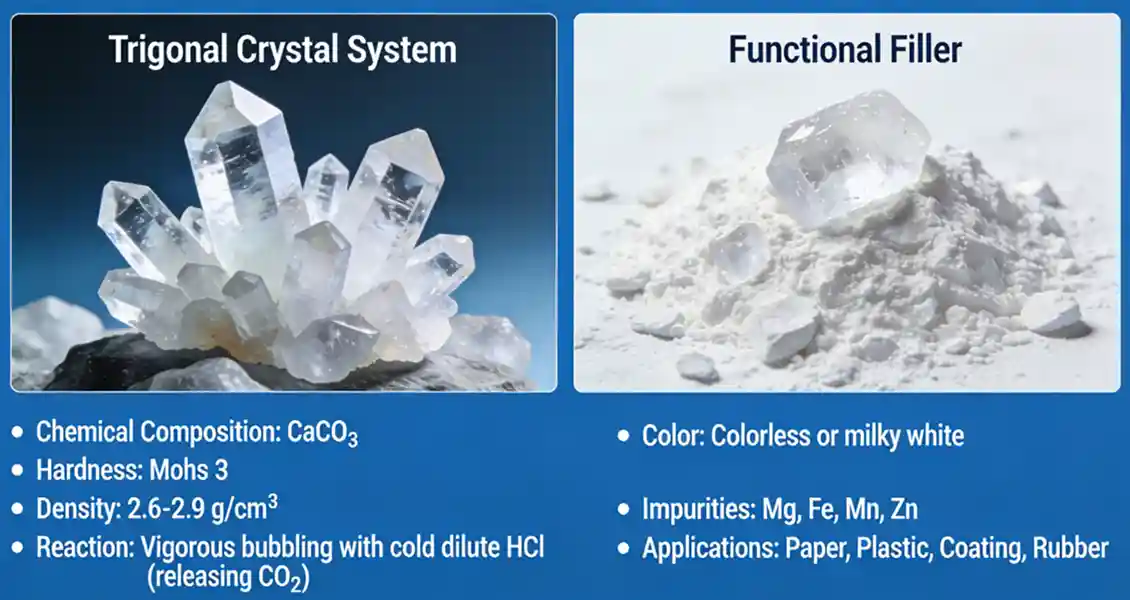
Calcite is a trigonal crystalline mineral primarily composed of calcium carbonate (CaCO₃). As one of the most widely distributed carbonate minerals in the earth's crust, it is the core component of limestone and marble. It has a Mohs hardness of 3 and a density of 2.6~2.9 g/cm³. It reacts vigorously with cold dilute hydrochloric acid (releasing CO₂). Its color is typically colorless or milky white, containing trace impurities such as magnesium, iron, manganese, and zinc. After grinding, the powder is commonly used as a functional filler in industries such as papermaking, plastics, coatings, and rubber.
Key Considerations for Calcite Grinding Production Line
Raw Material Preparation: Although calcite is easy to grind, the raw ore often contains quartz (Mohs hardness 7 or above). Even a small piece of quartz entering the mill can double the wear rate of grinding components like rollers and rings. Impurities can be removed through crushing with a crusher and screening with a vibrating screen.
Whiteness Control: The whiteness of calcite powder determines the added value of the product. Iron removers should be installed before feeding to prevent iron filings and other impurities from mixing into the powder. If there are strict requirements for the purity of the finished calcite powder, flotation processes can be added after grinding for further purification.
Moisture Control: The moisture content of the raw material entering the mill must be strictly controlled to ≤1% to avoid issues like material sticking to walls or blockages caused by excessive moisture.
Equipment Corrosion Protection: Given calcite's sensitivity to acid, acidic contact must be strictly prohibited during the production process. Cleaning and maintenance should use neutral media to ensure no corrosive residues remain on the equipment.
How to Choose the Right Calcite Grinding Mill?
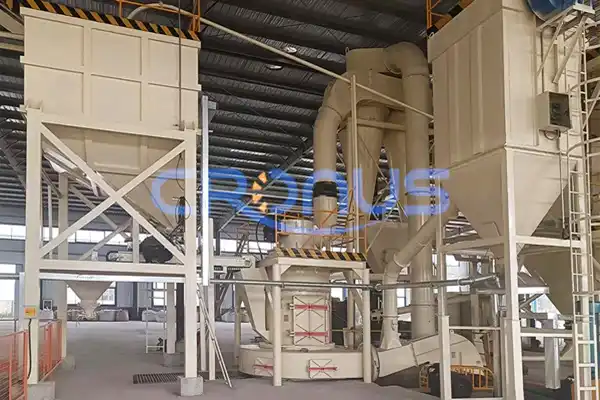
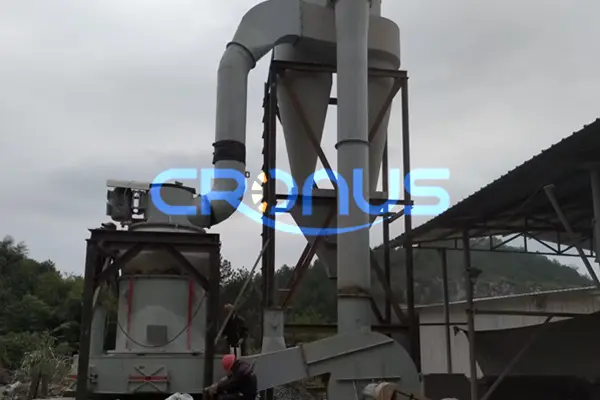
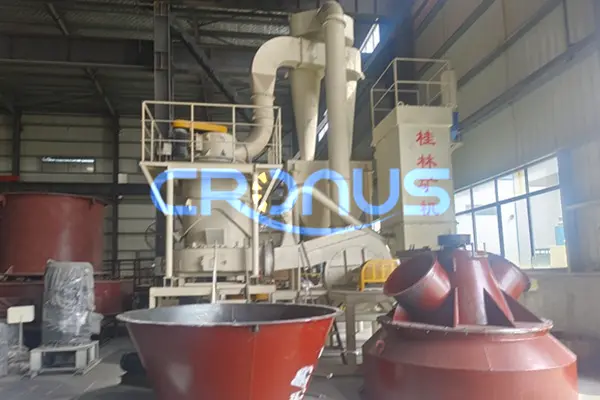
Raymond Mill
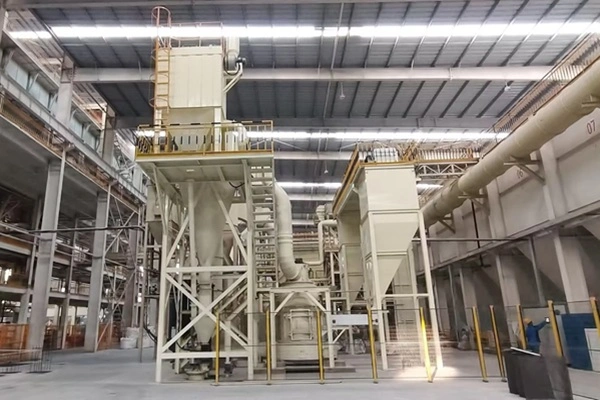
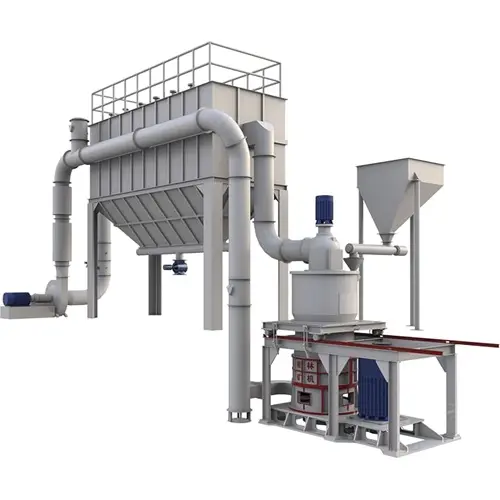
The Raymond mill is the preferred equipment for processing calcite medium-fine powder between 80 and 400 mesh. Its grinding rollers and rings are made of wear-resistant materials like high manganese steel. Equipped with a pre-crusher and vibrating screen, it can effectively handle quartz mixed in with the calcite. It is suitable for small to medium-scale applications in power plant desulfurization, construction fillers, feed additives, and glass raw materials.
Ultrafine Grinding Mill
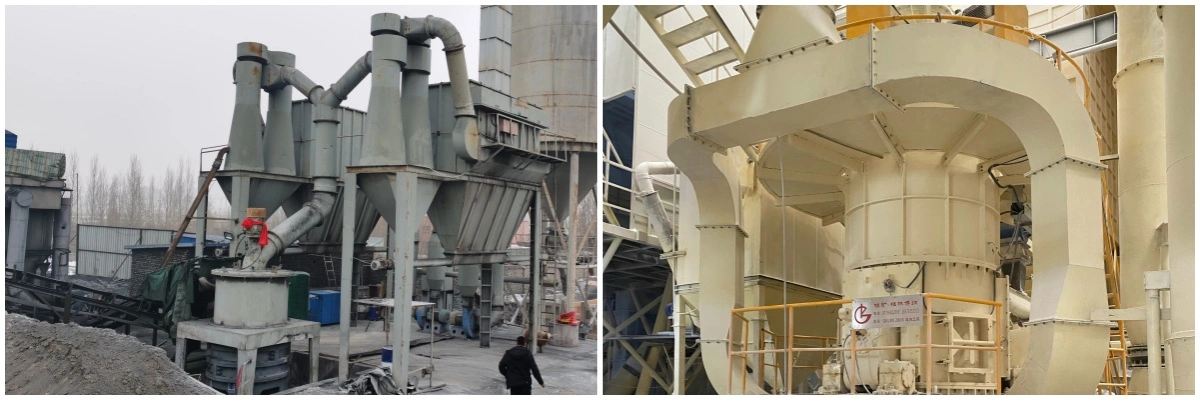
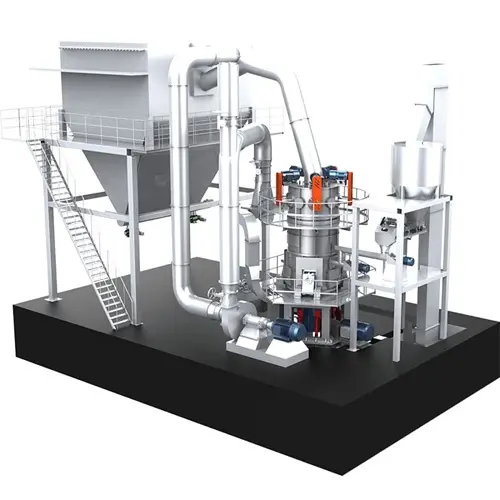
Ultrafine grinding mills are core equipment for producing high-value-added ultra-fine calcite powder ranging from 400 to 2500 mesh. Among these, the ultra-fine vertical roller mill utilizes a material bed grinding principle, resulting in minimal metal wear and significantly reducing iron contamination. This makes it particularly suitable for high-end applications with strict requirements for calcite powder whiteness and purity, such as high-grade fillers in plastics, coatings, papermaking, and rubber industries. The ultra-fine ring roller mill has a relatively lower initial investment, offering a cost-effective option for small to medium-scale ultra-fine powder production, suitable for general industrial fillers in ordinary plastics and rubber.
Vertical Roller Mill
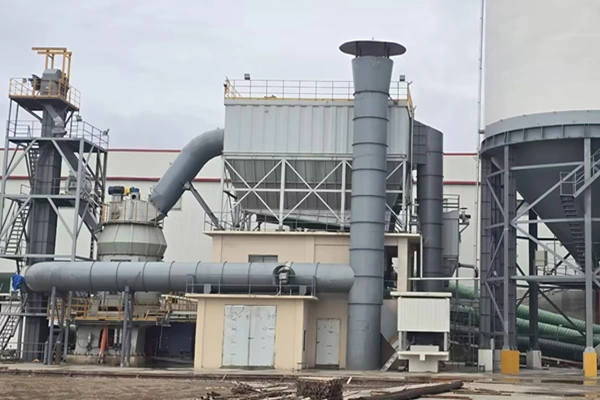
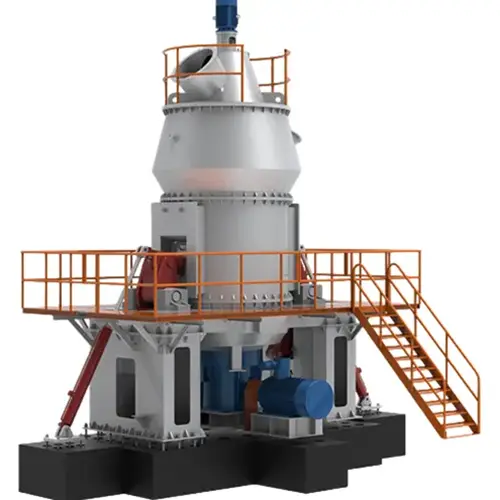
The vertical roller mill integrates crushing, drying, grinding, and classifying into one unit. It features high single-machine capacity and low unit energy consumption, making it the preferred equipment for large-scale calcite grinding projects with a capacity exceeding 20 tons per hour. The equipment possesses strong drying capability, allowing it to handle calcite raw materials with slightly higher moisture content. It is equipped with a hydraulic roller turning-out device for easy maintenance of wear parts. It is suitable for large-scale calcite powder production projects such as those in large power plant desulfurization, steel plant sintering agents, and large building material bases.
Calcite Grinding Plant Process Flow
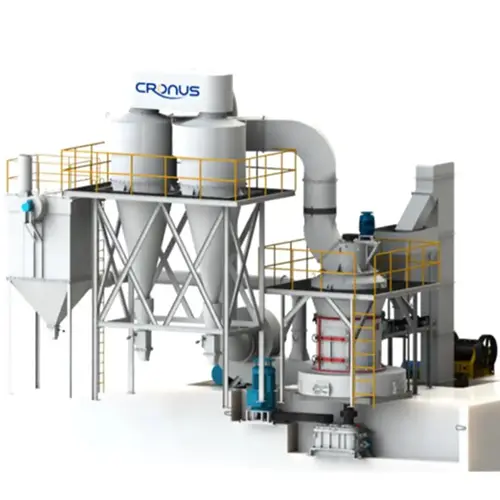
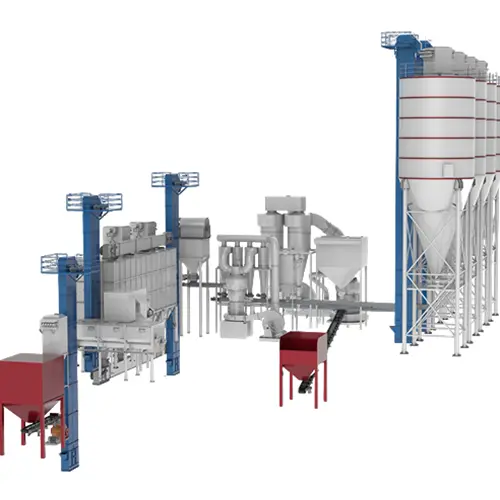
A calcite grinding production line must ensure the whiteness and purity of the powder. The raw material is first coarsely crushed by a jaw crusher to an input size of ≤30mm, suitable for the mill feed. It then passes through a vibrating screen for sieving and an iron remover to eliminate impurities like quartz mixed in the raw ore. Subsequently, a feeder sends the material into the grinding mill for grinding and classification.
Coarse powder is returned for regrinding, while qualified fine powder is collected and dedusted by a cyclone collector and a pulse bag filter. After grinding, a flotation process can be added for deep purification to further enhance the whiteness and purity of the calcite powder, thereby increasing the product's added value.
Application Scenarios of Calcite Grinding Mills
Common Questions about Calcite Grinding
How to solve the problem of yellowish discharge from a calcite grinding mill?
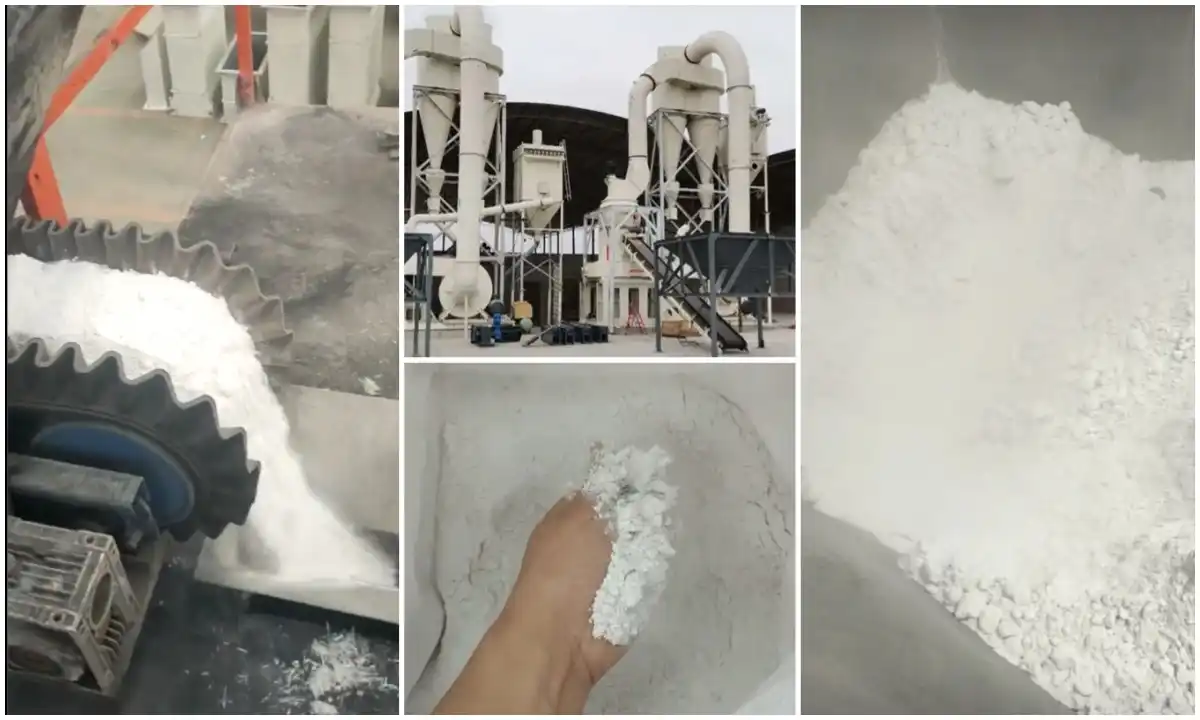
Yellowish calcite powder is generally caused by impure raw ore or iron filings contaminating the powder. Solutions include washing the raw ore, using wear-resistant materials like high-chromium alloy for core grinding components, and equipping multi-stage iron removers if necessary.
Can a Raymond mill grind 600 mesh calcite powder?
The efficient grinding range of a Raymond mill is 80-400 mesh. It can grind 600-mesh calcite powder with reduced capacity, but the production capacity will be severely reduced, making it uneconomical. If you already own a Raymond mill and need to process 600 mesh calcite powder, you can equip it with an ultra-fine classifier. Generally, it is recommended to choose an ultra-fine grinding mill for this purpose.
What are the whiteness requirements for the output of a calcite grinding mill?
The whiteness requirements for calcite powder output vary across different application fields: General building materials and putty powder require whiteness ≥ 88. Plastic filler masterbatch requires whiteness ≥ 92. Paper coatings and high-grade plastics require whiteness between 94 and 96.
Recommendations
-
 How to construct a standard foundation for a Raymond Mill?
 -
 Can Sand‑Powder Integrated Machines Truly Achieve Co‑production? Equipment Selection Guide
 -
 Deep‑Dive Analysis of Working Principle of Raymond Mill
 -
 Why do the grinding roller shaft and the central shaft of a Raymond mill need to undergo heat treatm
 Home
Home Products
 About
About Call
Call