

Wood Crusher
Production Output:3~25t/h
Feed Size:≤450mm
Product Size:20~150mm
Suitable Materials:Logs, branches, twigs, roots, trunks, slabs, strips, sawdust, etc.
Introduction of Wood Crusher
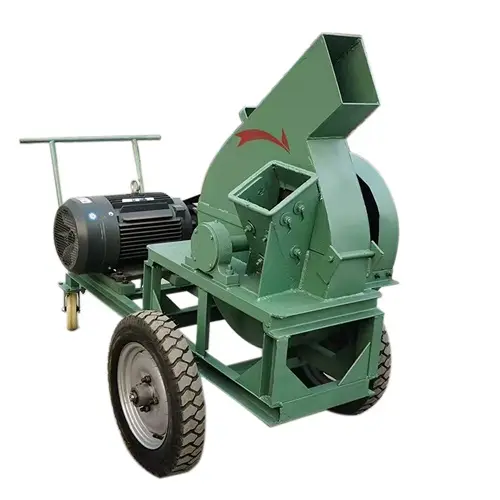
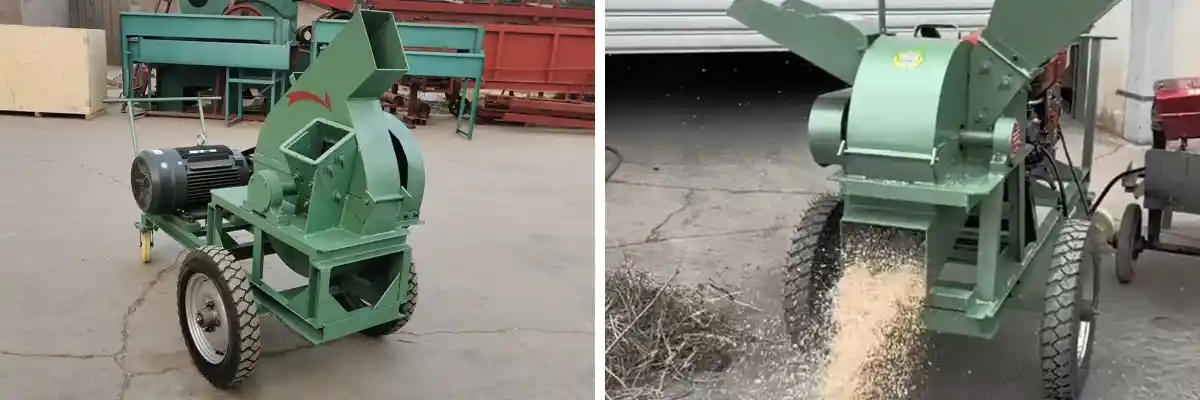
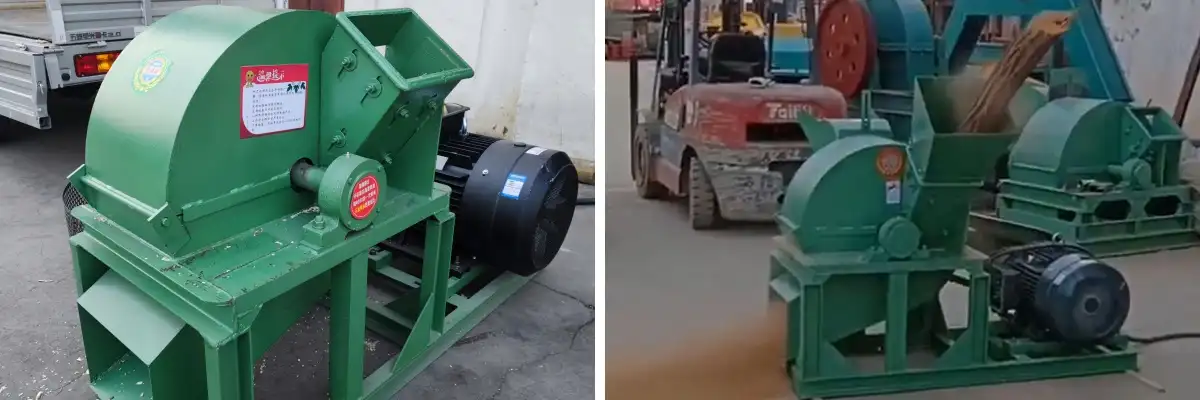
The wood crusher (also known as wood chipper) is a specialized coarse crushing pretreatment equipment for processing high-fiber, tough materials such as logs, branches, board offcuts, and waste wood products. Through strong shearing and impact, it breaks irregular large pieces of wood into uniformly sized small wood chips, providing uniformly sized feed material for the wood grinding mill.
Logs → Wood Crusher (Coarse Crushing) → Conveying Equipment → Trommel Screen (Sorting) → Dryer → Wood Grinding Mill
Features and Advantages of Wood Crusher
High-Efficiency Crushing: Adopts high-torque, low-speed design with a large crushing ratio, capable of efficiently processing wood with a diameter ≤300 mm in a single pass.
Precise and Controllable: Equipped with adjustable screens and grids, the discharge size can be precisely controlled within the range of 20~120 mm, with uniform particle size.
Anti-Wrapping: Unique tool layout and rotor structure effectively prevent fiber wrapping around the main shaft, ensuring continuous and stable operation.
Strong Shearing: The core knife roller and tools are forged from special alloy steel, providing strong shearing force, wear resistance, and impact resistance, easily cutting high-fiber, tough materials such as wood and branches.
Working Principle of Wood Crusher
After the raw material is fed into the wood crusher by conveying equipment, it is crushed and decomposed by a high-speed rotating heavy-duty alloy knife roller through shearing, impact, and tearing. The crushed and decomposed material is then screened by the bottom screen: fine chips meeting the specifications are discharged from the machine, while oversized material is retained in the chamber and continues to be sheared and crushed until it reaches the qualified size for discharge. By replacing screens with different aperture sizes, the discharge size can be flexibly controlled.
Application Scenarios of Wood Crusher
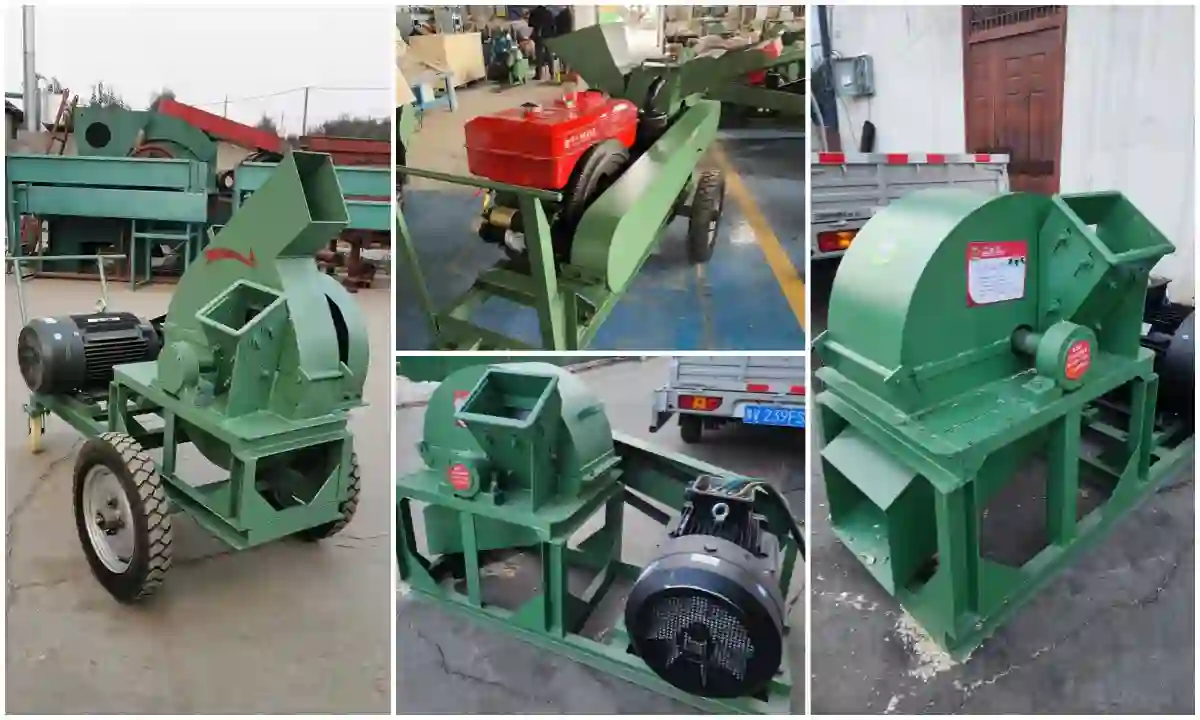
Technical Parameters of Wood Crusher
| Wood Crusher Parameter Comparison Table | ||||
| Application Scenario | Feed Size (mm) | Discharge Size (mm) | Capacity (t/h) | Main Unit Power (kW) |
| Small to Medium Wood Recycling Yards | ≤300 | 20~80 | 3~6 | 55~75 |
| Biomass Fuel Plant | ≤350 | 30~100 | 8~12 | 90~110 |
| Large Wood Processing Plant | ≤400 | 40~120 | 15~20 | 160~200 |
| Industrial-Grade Production Line | ≤450 | 50~150 | 20~25 | 220~315 |
| * The above data are for reference only. Specific parameters vary depending on the raw material. | ||||
Frequently Asked Questions About Wood Crusher
Can the wood crusher process material after drying first?
It is not recommended to dry the material first before crushing. The internal moisture of large logs is difficult to remove by drying, whereas small wood chips after crushing have faster heat transfer, resulting in higher drying efficiency and lower energy consumption. Although drying first then crushing can reduce the wear on the wood crusher, it makes transportation inconvenient, increases drying time and cost, and is not conducive to efficient production. The standard process is crushing first, followed by drying.
Why not use other crushers for crushing wood?
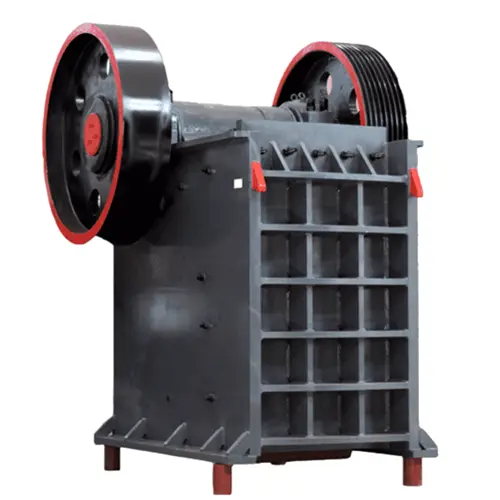
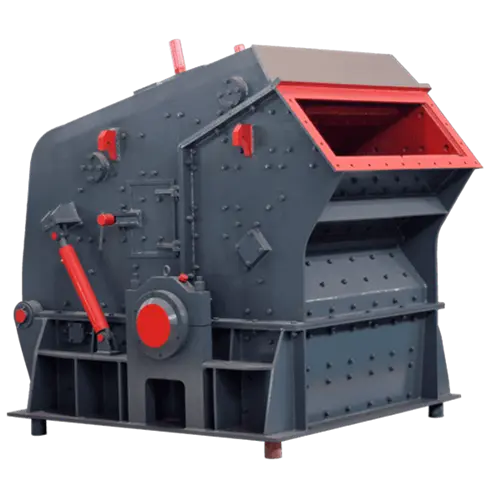
Other crushers (such as jaw crushers, impact crushers, hammer crushers, etc.) mainly crush material through compression or impact. However, wood is a high-fiber, high-toughness elastic material with strong resistance to impact and compression. Other crushers cannot efficiently crush wood, and if forced to do so, they may cause material wrapping and clogging, leading to equipment damage.
Why is it strictly prohibited to crush rotten wood with a wood crusher?
Because the fiber structure of rotten wood has already been compromised, it cannot be effectively sheared during the crushing process. Instead, it will adhere, cause clogging, and damage the equipment. Additionally, rotten wood accelerates corrosion and wear of the tools and core components. The finished product is easily contaminated with dust, resulting in low quality, and it can also be harmful to human health.
 Home
Home Products
 About
About Call
Call