

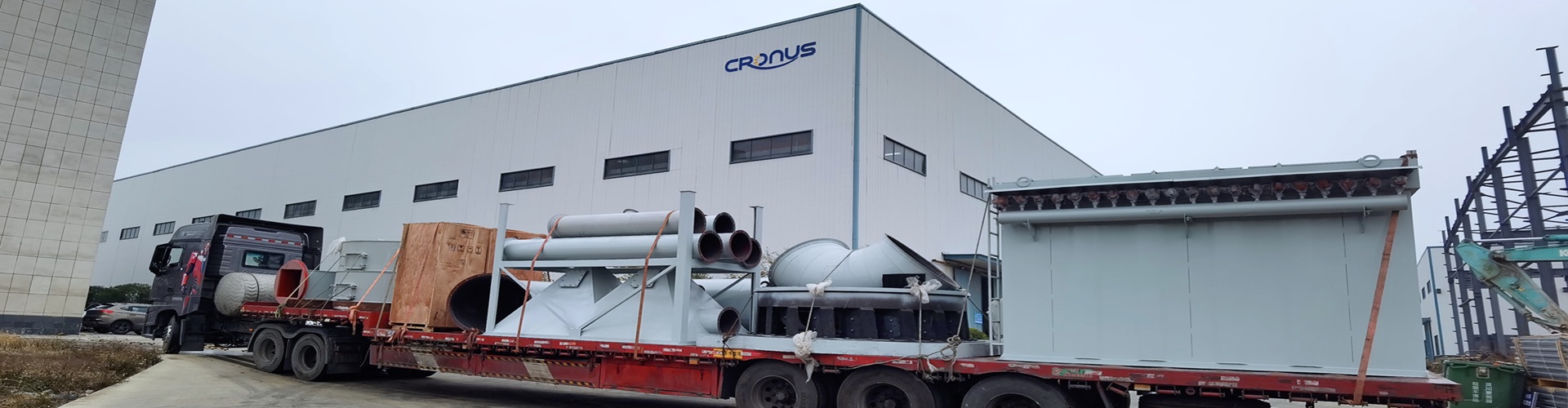
In the field of powder processing, material characteristics directly determine the selection of grinding mills and the design of the process. Factors such as particle size distribution, specific surface area, flowability, abrasiveness, cohesiveness, hardness, moisture content, and chemical properties directly influence the system configuration for processes including crushing, grinding, classification, conveying, drying, storage, and packaging. Scientifically matching appropriate equipment with the process helps improve grinding efficiency and system stability, which is the core of building an economical and efficient grinding production line.
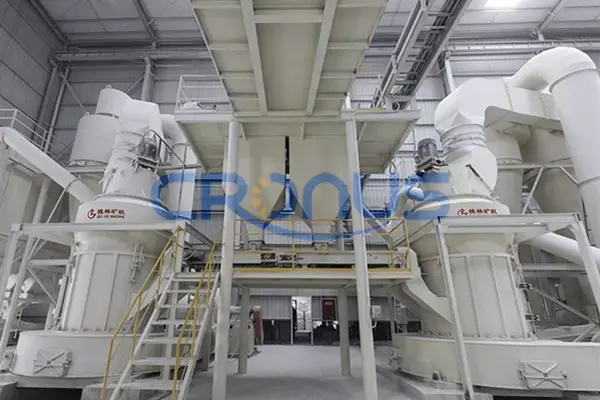
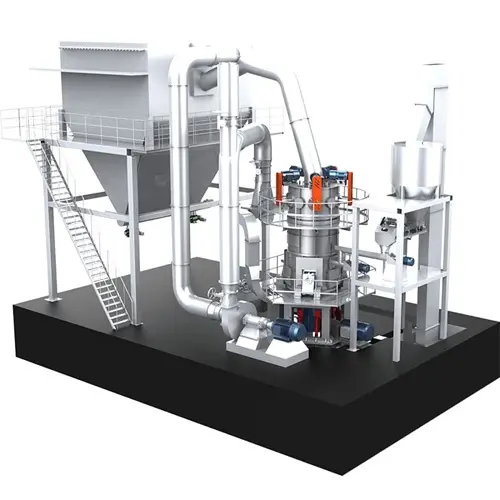
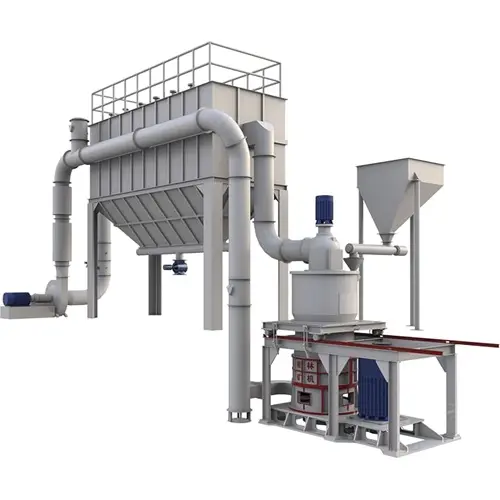
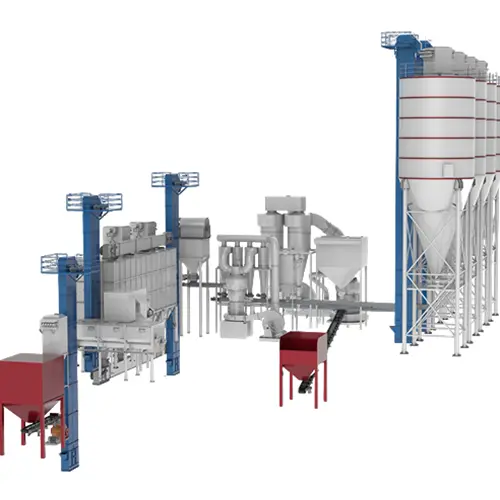
Non-metallic mineral grinding generally begins with coarse crushing using a jaw crusher, followed by preprocessing steps such as passing through an iron remover, vibrating screen, and dryer to ensure the purity and whiteness of the finished powder. Depending on the raw material characteristics, target fineness, and production requirements, the primary equipment includes Raymond mills for medium to fine powder processing, vertical mills for large-scale production, and ultrafine grinding mills for ultra-fine powder processing.
For metal ore grinding, the process typically follows a "crush more, grind less" principle. The raw material first undergoes multi-stage crushing in a crusher, followed by preprocessing steps such as strong magnetic iron removal, vibrating screening, ore washing, and dewatering screening. Finally, it is fed into a grinding mill for pulverization. The finished powder can be purified, modified, or dewatered as needed, with supporting dust removal and wastewater recycling systems.
Coarse Crushing: Use a jaw crusher to crush the raw ore to approximately 200~300 mm.
Medium Crushing: Use a cone crusher or impact crusher to further crush the coarse-crushed product to approximately 50~100 mm.
Fine Crushing: Use a cone crusher or double-roll crusher again to crush the material to ≤30 mm in preparation for grinding.
Industrial solid waste grinding is a core technology for resource recycling and environmental emission reduction. It can convert solid waste such as metallurgical slag, steel slag, and fly ash into high-value-added green powder materials, reducing resource consumption while preventing environmental pollution. The vertical mill, known for its energy efficiency, high productivity, and strong large-scale processing capacity, is the mainstream equipment for major solid waste grinding projects. For small to medium-scale scenarios, the Raymond mill, with its high overall cost-effectiveness, is the preferred technical solution.
Grinding of chemical raw materials imposes stringent requirements on powder quality and production safety. The grinding mill system must adopt contamination-prevention and explosion-proof designs. Grinding components are typically made of stainless steel or wear-resistant ceramic to eliminate metal contamination and ensure powder purity. Additionally, the system is equipped with nitrogen protection and explosion-proof devices, creating a sealed, inert, and explosion-resistant grinding environment.
For materials with specific physical or chemical properties—such as highly viscous and moist calcium hydroxide, high-fiber and tough wood, or ultra-hard silicon carbide—standard grinding mills are insufficient for efficient processing. Customized equipment must be designed according to the material characteristics. Examples include the Hydrated Lime Grinding Mill with full-system anti-adhesion treatment, the Wood Grinding Mill that combines shearing and grinding mechanisms, and the Silicon Carbide Grinding Mill with reinforced wear-resistant components.
Featured Products
Telephone/WhatsApp:+8619921221418
Email:sales@shcronus.com
Address:No.8666,Hunan Road,Pudong District, Shanghai,China
 Home
Home Products
 Solutions
 Call
Call