

Activated Carbon Grinding Mill and Production Line Process
- Time:2026-03-11
- Views:89
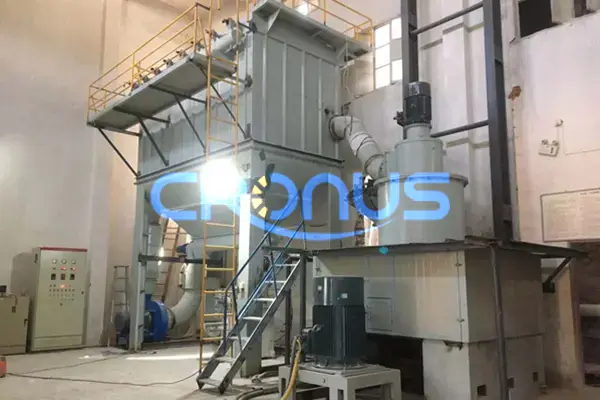
An activated carbon grinding mill is equipment that grinds activated carbon into powder. The mill must adopt an open-circuit system and be equipped with safety measures such as dust collection, explosion protection, inert gas protection, and static electricity prevention. During grinding, the mill chamber temperature must be strictly controlled (≤80°C), and a balance between the mill chamber temperature and the pore structure must be achieved by optimizing the grinding parameters.
What is Activated Carbon?
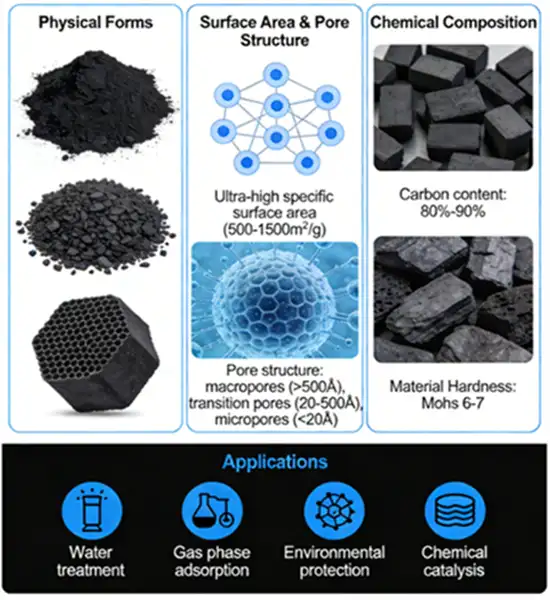
Activated carbon is a specially processed black powder, granular, or honeycomb form of amorphous carbon. It features an ultra-high specific surface area (500-1500 m²/g) and a well-developed pore structure (classified as macropores >500Å, mesopores 20~500Å, and micropores <20Å), enabling it to effectively remove color, odor, and most organic and inorganic pollutants. Its chemical composition consists of over 80%~90% carbon, and the material typically has a Mohs hardness of 6~7. It is widely used in water treatment, gas phase adsorption, environmental protection, and chemical catalysis.
Key Considerations for Activated Carbon Grinding Production Line
Moisture Control: The moisture content of activated carbon raw material must be strictly controlled between 8% and 12%. Excessive moisture can lead to material adhesion and clogging, while too low moisture increases the risk of dust explosions. High-moisture raw materials require dryer pretreatment.
Raw Material Preparation: The feed material must undergo multi-stage crushing to ≤30mm. This prevents oversized particles from entering the mill, which could cause overloading and inadequate grinding. Simultaneously, metal impurities must be removed with magnetic separators, and large foreign objects screened out with vibrating screens to prevent contamination of the powder.
Open-Circuit Process: Activated carbon is flammable at high temperatures. The grinding mill system must adopt an open-circuit process, where the material is quickly discharged in a single pass after grinding without classification or recirculation, reducing the residence time of the material in the grinding chamber and preventing high-temperature combustion.
Safety Protection: Activated carbon powder is a flammable and explosive material. Localized enclosures and pulse jet baghouses must be installed at dust generation points to ensure dust concentration is ≤8 mg/m³. Exhaust gas from the dust collector requires further treatment through an activated carbon adsorption unit. The mill system must be equipped with explosion relief valves and rupture discs, along with an inert gas protection system that automatically injects nitrogen when dust concentration reaches 50% of the lower explosive limit. Anti-static equipment and grounding are also essential to eliminate sparks.
Storage and Transportation: Activated carbon must be stored in moisture-proof packaging within a dry, ventilated warehouse to prevent pores from becoming saturated with water, which would render it ineffective. Contact with tar-like substances is strictly prohibited as they can block the pores. Keep away from ignition sources during storage and transport. Regenerated activated carbon must be cooled to below 80°C before storage to prevent spontaneous combustion upon contact with oxygen at high temperatures.
How to Choose the Right Activated Carbon Grinding Mill?
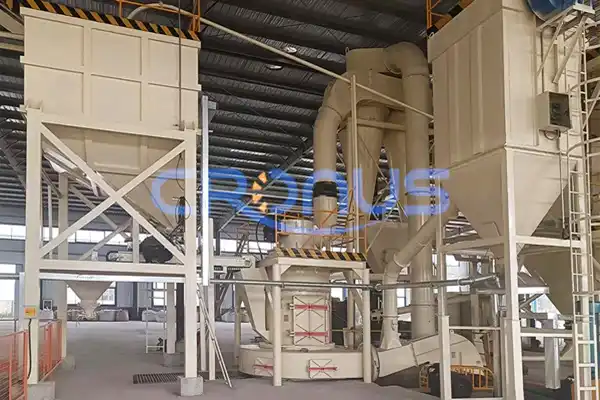
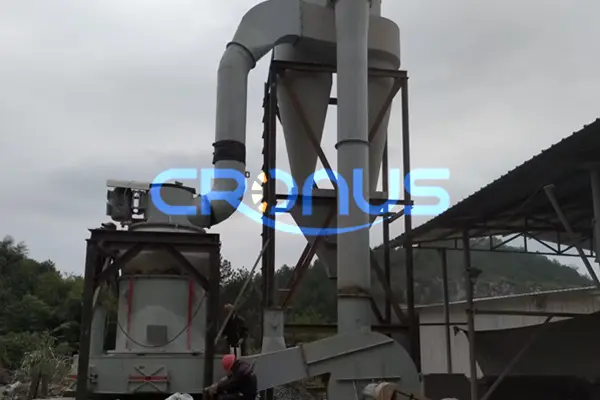
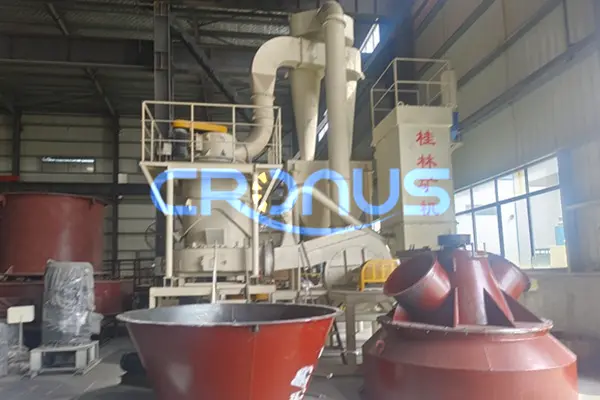
Raymond Mill
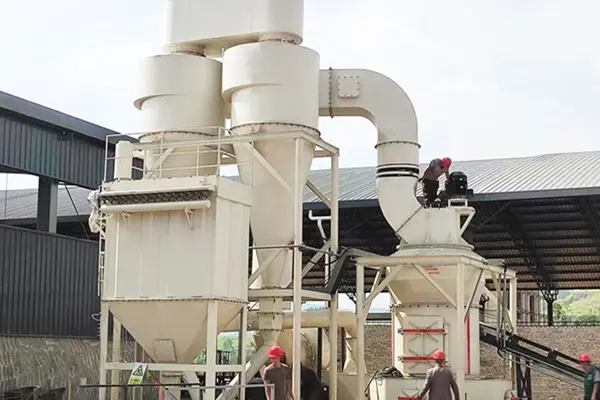
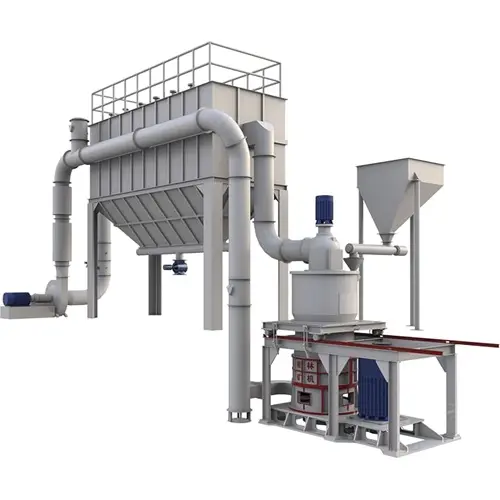
The Raymond mill is suitable for raw materials with a distinct fibrous structure and moderate hardness, such as wood-based and nutshell-based activated carbon, and for small to medium-sized projects with an annual output below 20,000 tons. In this domain, the Raymond mill offers the best cost-performance ratio, with flexible fineness adjustment between 80 and 400 mesh. However, core grinding components must be upgraded (e.g., using high-chromium alloy rollers) to withstand the wear risk associated with a Mohs hardness of 6~7. Additionally, strict control of feed moisture (8%~10%) and increased system airflow are necessary to suppress temperature rise and prevent iodine value degradation. It is widely used in conventional adsorption scenarios like water filtration media and solvent recovery, representing a preferred solution that causes minimal damage to the pore structure while maintaining overall cost control.
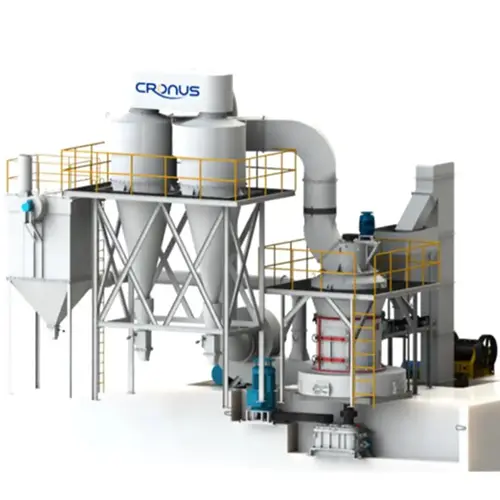
Vertical Mill
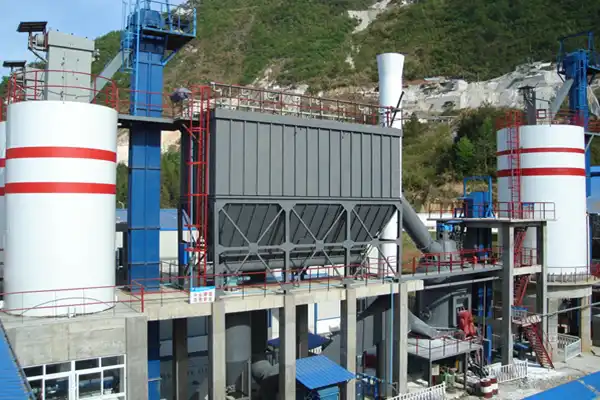
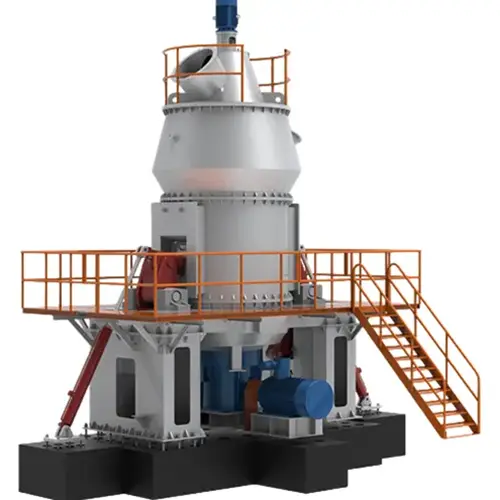
The vertical mill is suitable for coal-based activated carbon, high-moisture raw materials (≤15%), and large-scale production exceeding 50,000 tons per year. Its grinding roller and table do not make direct contact; size reduction is achieved through material bed extrusion. This low-shear action helps protect the pore structure of the activated carbon. It integrates drying and grinding functions, offers lower unit power consumption compared to Raymond mills, and has a single-unit capacity reaching tens of tons. However, multi-stage magnetic separators are required to mitigate vibration risks from hard foreign objects. It is ideal for large-scale applications demanding high adsorption performance, such as mercury removal in power plants and large-scale wastewater treatment. Although the initial investment is higher, it offers a high long-term return on investment.
Ultrafine Grinding Mills
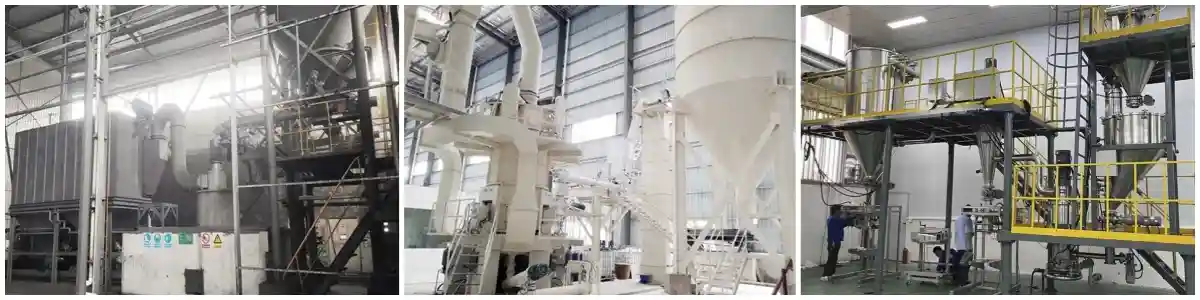
Selecting the equipment for processing ultra-fine activated carbon powder (400~2500 mesh) requires choosing different technological paths based on product positioning, production scale, and quality requirements:
Ultra-fine Ring Roller Mill: Suitable for non-adsorption applications where the pore structure of the activated carbon powder is not critical, such as battery anodes, conductive fillers, and colorants. Its investment cost is relatively low, but small-scale grinding tests are mandatory to quantify the iodine value decay rate.
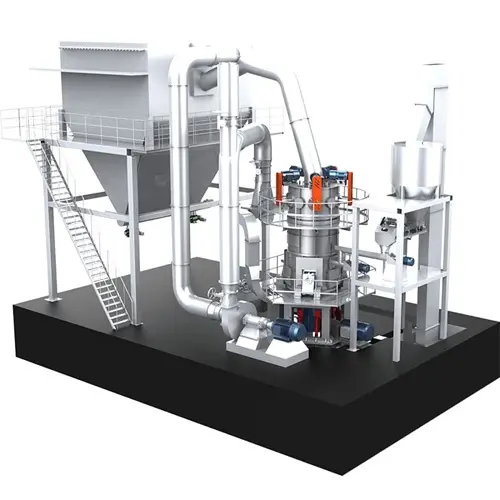
Ultra-fine Vertical Mill: Suitable for large-scale industrial production where preserving adsorption performance is essential. It causes minimal damage to the pore structure, and the iodine value loss rate is controllable. Its energy consumption is only about one-third that of a jet mill, with high single-unit capacity. Ideal for high-end applications like advanced water treatment, mercury removal in power plants, and pharmaceutical carriers.
Jet Mill: Suitable for adsorption applications with the most stringent requirements for iodine value retention, such as pharmaceutical-grade, food-grade, and supercapacitor materials. Its non-contact grinding action preserves the pore structure to the maximum extent. However, energy consumption and investment are extremely high, making it suitable only for high-value-added, small-batch products.
Process Flow of the Activated Carbon Grinding Production Line
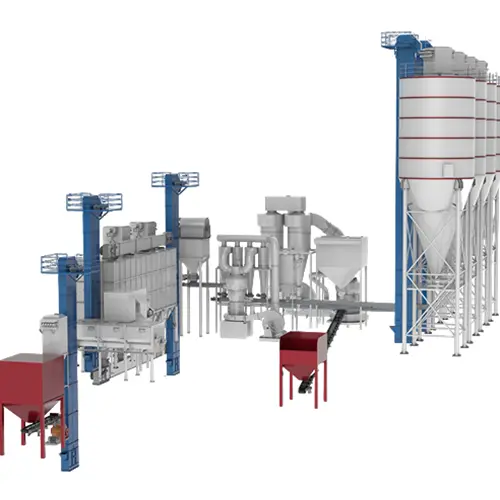
The activated carbon grinding production line requires controlling the raw material moisture (8%~12%) and implementing proper safety protection measures. The raw material undergoes multi-stage crushing via jaw crusher and hammer crusher to ≤30mm, followed by iron removal through a magnetic separator and screening through a vibrating screen to ensure the material meets the grinding feed requirements.
Based on the material characteristics, an open-circuit activated carbon grinding mill is selected, where the material is quickly discharged and collected as finished product after a single pass. Key equipment such as the grinding mill and dust collector are equipped with explosion relief valves and explosion venting panels, along with an inert gas protection system. The PLC system monitors parameters such as temperature (≤80°C) and pressure in real time to ensure safe production.
Application Scenarios for Activated Carbon Grinding Mills
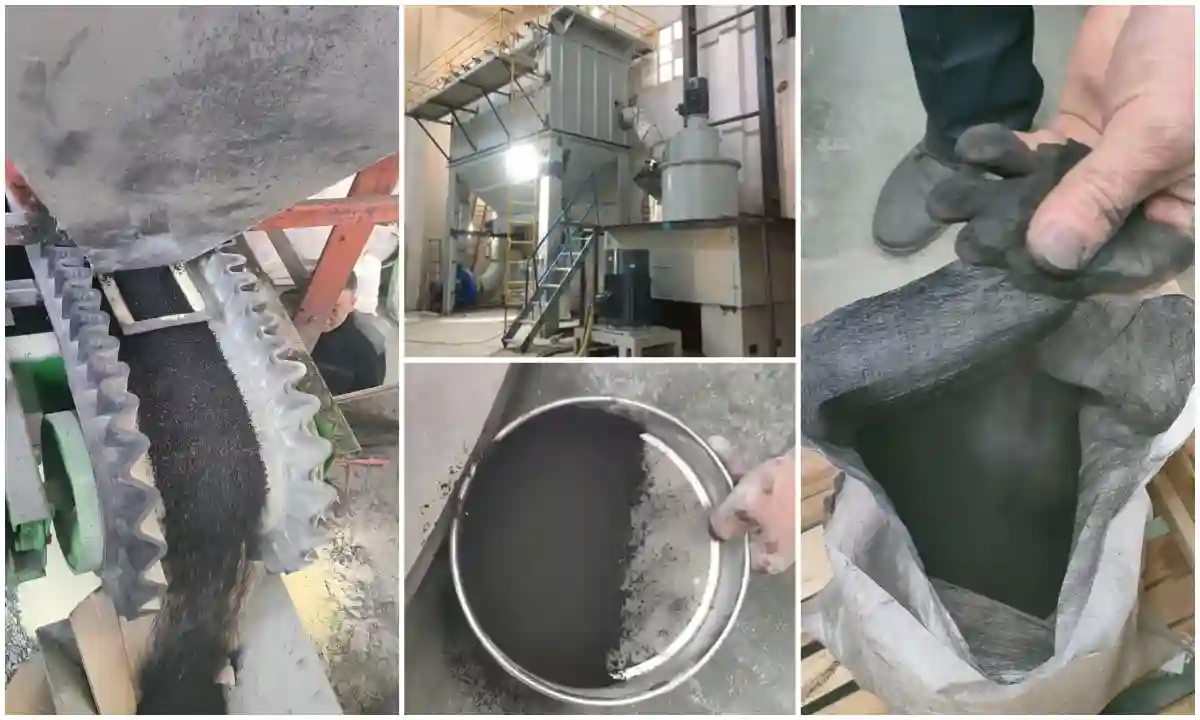
Frequently Asked Questions about Activated Carbon Grinding
What explosion-proof measures are included in an activated carbon grinding production line?
Equipment such as the grinding mill, classifier, and dust collector are equipped with explosion relief valves and rupture discs, along with an inert gas (nitrogen) protection system. Anti-static conveying equipment and grounding devices are used to eliminate electrostatic sparks. Finally, a PLC system monitors parameters like temperature (≤80°C) and pressure in real-time to ensure safe operation.
How do you balance the grinding chamber temperature and pore structure in an activated carbon grinding mill?
Balancing the grinding chamber temperature and pore structure can be achieved by optimizing grinding parameters. This includes using variable frequency feeding to maintain the optimal material bed thickness, preventing empty grinding or overload heat generation, enhancing heat exchange, increasing system airflow for forced convection cooling, and equipping critical heat sources with air or water cooling systems. The goal is to strictly control the grinding chamber temperature below 80°C.
What should be noted when processing regenerated activated carbon with an activated carbon grinding mill?
Regenerated activated carbon must be forcibly cooled to below 80°C after leaving the kiln before entering the mill to prevent spontaneous combustion upon contact with oxygen. Before feeding, the completeness of regeneration should be checked, and impurities like metals and refractory brick fragments must be removed via magnetic separation and screening to avoid clogging the mill and contaminating the powder. It is recommended to conduct a small-scale test run first to confirm the absence of adhesion, clogging, or abnormal temperature rise before proceeding with full-scale production.
Recommendations
-
 How to construct a standard foundation for a Raymond Mill?
 -
 Can Sand‑Powder Integrated Machines Truly Achieve Co‑production? Equipment Selection Guide
 -
 Deep‑Dive Analysis of Working Principle of Raymond Mill
 -
 Why do the grinding roller shaft and the central shaft of a Raymond mill need to undergo heat treatm
 Home
Home Products
 About
About Call
Call