


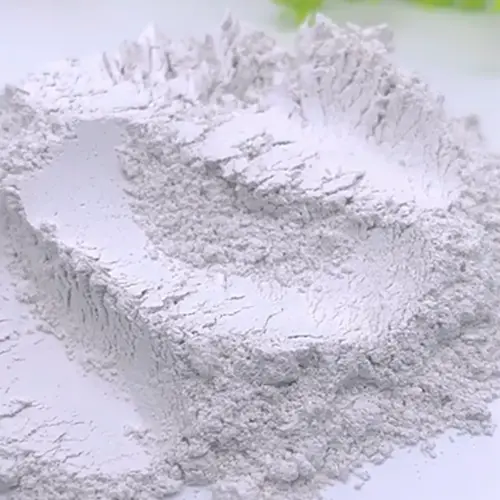
Industrial Grade Calcium Hydroxide
Powder Purity:90%~95%
Powder Whiteness:80~90
Powder Fineness:200~800 mesh
Free Moisture Content:≤2.0%
Industrial Grade Calcium Hydroxide Information Introduction
Industrial grade calcium hydroxide refers to a calcium hydroxide powder whose parameters—such as chemical composition, physical indicators, and impurity content—meet industrial-grade industry standards. Compared to food-grade and pharmaceutical-grade varieties, it offers a lower cost and is suitable for large-scale industrial applications where cost, reactivity, or specific performance characteristics are key considerations.
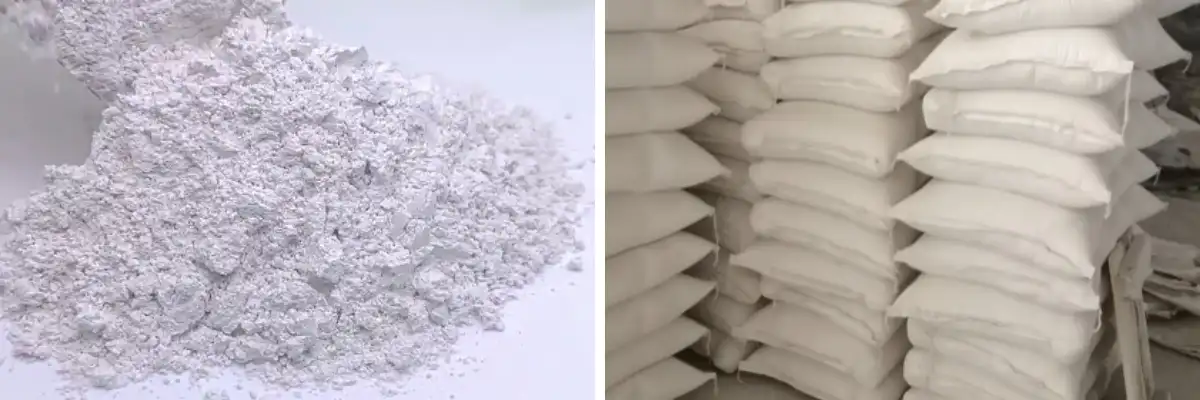
Powder Characteristics of Industrial Grade Calcium Hydroxide
Chemical Properties: Stable calcium hydroxide (Ca(OH)₂) content between 90%~95%, low acid-insoluble matter content, offering excellent chemical reactivity and neutralization efficiency.
Particle Characteristics: Typically 200~800 mesh, with a concentrated particle size distribution and good flowability.
Whiteness: Usually between 80~90, appearing as a uniform white powder, with slight yellow or grey tints permissible.
Moisture Content: Free moisture content ≤2.0%, effectively preventing caking and ensuring stability during storage and handling.
Preparation Process of Industrial Grade Calcium Hydroxide
Quicklime Raw Material → Lime Hydrator → Water Mist Dust Collector → Hydrated Calcium Hydroxide
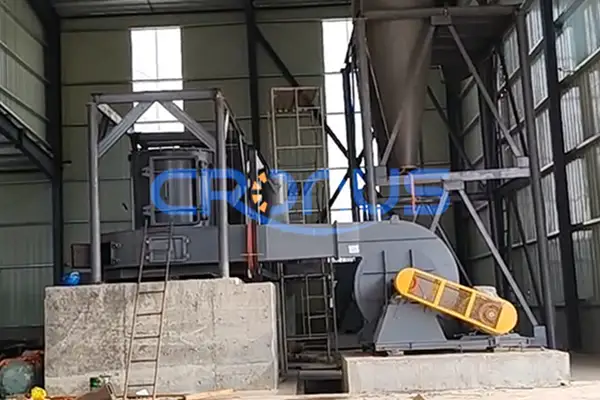
Industrial grade calcium hydroxide is typically produced using a lime hydrator (twin-shaft mixer + single-shaft mixer) for the hydration reaction. The twin-shaft mixer serves as the primary hydration chamber, achieving initial hydration by precisely controlling the water-to-lime ratio (0.65~0.85:1) and reaction temperature (approx. 90°C). Subsequently, the single-shaft mixer further matures the initially hydrated calcium hydroxide. Under conditions of 70~85°C and a standing time of 20~30 minutes, porous, flocculent, highly reactive calcium hydroxide is formed.
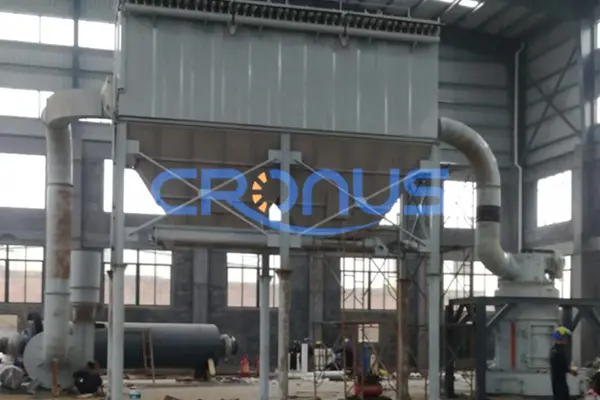
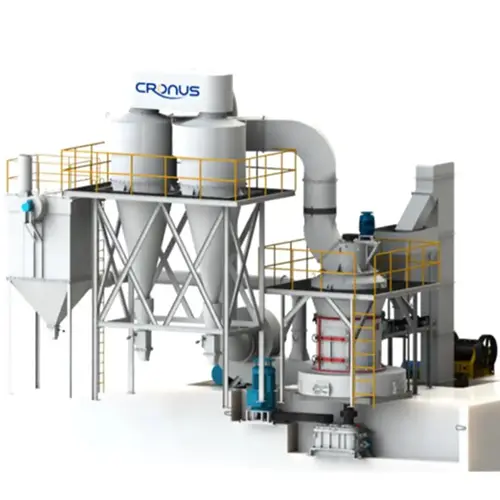
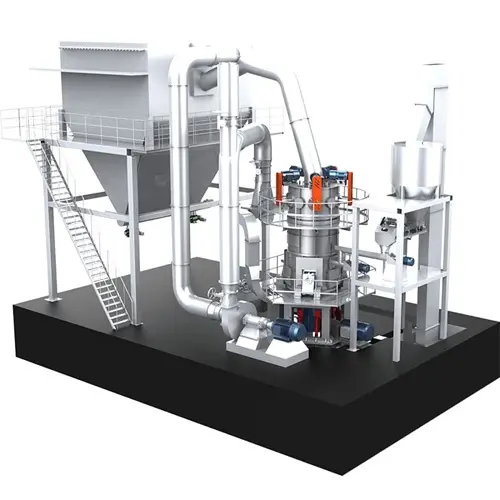
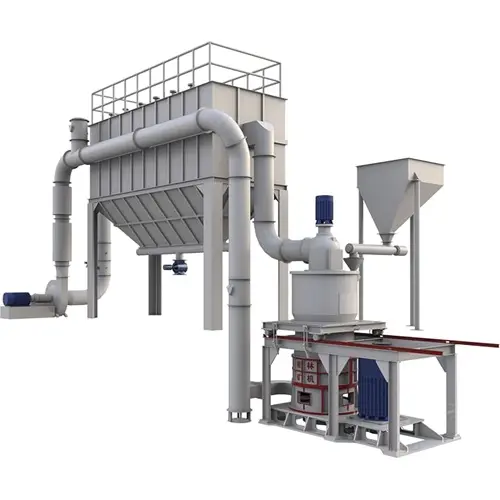
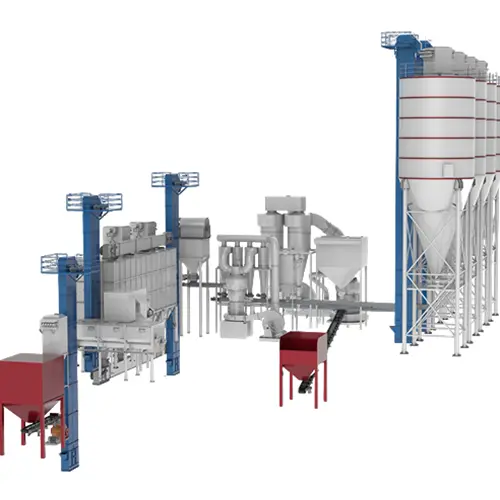
Hydrated Lime Grinding Mill → Industrial Grade Calcium Hydroxide
This material is processed through a hydrated lime grinding mill for dispersion, grinding, and classification to obtain the finished calcium hydroxide powder that meets industry standards for particle size, activity, and other key indicators.

Application Fields of Industrial Grade Calcium Hydroxide
Chemical Industry: Industrial grade calcium hydroxide is a key raw material for producing essential chemicals like epichlorohydrin and bleaching powder. It also serves as an efficient pH regulator and precipitating agent.
Construction Materials: Used as hydrated lime powder to enhance the hardness and water resistance of coatings, improve the workability of mortar, and to stimulate cementitious reactions in silicate-based products.
Metallurgy: Acts as a fluxing agent at high temperatures to remove sulfur and phosphorus impurities. Also used as a pH regulator in mineral processing to optimize flotation efficiency.
Other Industrial Uses: Serves as a crucial material in processes like leather debairing and petroleum refining. It is also a cost-effective soil amendment, and an efficient engineering material for roadbed stabilization and slag treatment.
Technical Parameters of Industrial Grade Calcium Hydroxide
| Industrial Grade Calcium Hydroxide Specification Reference Table | |
| Calcium Hydroxide [Ca(OH)₂] Content | ≥90% |
| Magnesium Oxide (MgO) Content | ≤2.0% |
| Acid-Insoluble Matter Content | ≤2.0% |
| Fineness (Mesh) | 200~800 Mesh |
| Whiteness | ≥80 |
| Free Moisture Content | ≤2.0% |
| Appearance | White powder, slight yellow or grey tint permitted |
| * The above data is for reference only. Specific parameters vary by application, and there is no unified industry standard. | |
Frequently Asked Questions About Industrial Grade Calcium Hydroxide
What is the difference between industrial grade and food grade calcium hydroxide?
The core difference lies in purity requirements. Industrial grade focuses on chemical properties and cost, allowing for trace amounts of impurities that may affect appearance but are harmless. Food grade must comply with national food safety standards, imposing strict limits on harmful substances like arsenic, lead, heavy metals, and microorganisms. Its production process must also meet food hygiene requirements.
Does caking during storage affect the usability of industrial grade calcium hydroxide?
Calcium hydroxide readily absorbs moisture and carbon dioxide from the air. Minor caking can be remedied by breaking up the lumps; its chemical activity remains largely unaffected, and it can still be used. For severe caking, evaluation followed by screening, downgrading, or blending is required. It is recommended to store in a cool, dry, well-ventilated warehouse in sealed packaging.
Is a hydrated lime classifier needed for producing industrial grade calcium hydroxide?
For the vast majority of industrial grade calcium hydroxide production lines, a hydrated lime classifier is generally not required. A combination of a lime hydrator and a hydrated grinding lime mill is sufficient to produce qualified powder. An exception would be when the quality of the calcined quicklime raw material is poor (e.g., containing "over-burned" or "under-burned" impurities). In such cases, pre-classification of the hydrated material may be necessary to ensure the quality of the final calcium hydroxide powder.



 Home
Home Products
 About
About Call
Call