

Ground Calcium Carbonate
Powder Purity:≥97.5%
Powder Whiteness:85~95 (for high quality, ≥96)
Powder Fineness:80~400 mesh
Free Moisture Content:≤0.3%
Introduction to Ground Calcium Carbonate
Ground calcium carbonate (GCC) refers to a calcium carbonate powder produced from natural calcium carbonate minerals such as calcite, marble, and limestone through mechanical crushing, grinding, and classification. Compared with precipitated calcium carbonate (PCC), ground calcium carbonate offers advantages such as a simpler production process, lower energy consumption, and lower cost. It is widely used as a filler and modifier in industrial fields including plastics, coatings, papermaking, rubber, and building materials.
Powder Characteristics of Ground Calcium Carbonate
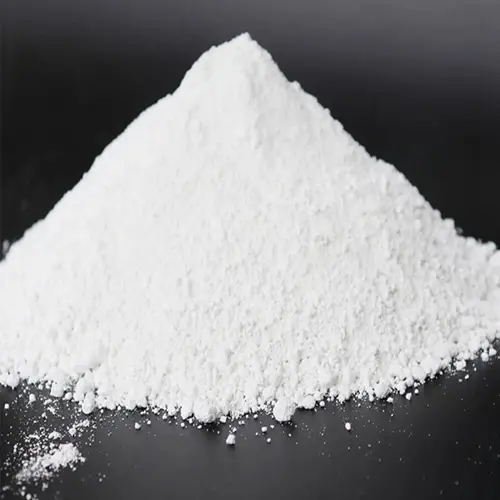
Chemical Characteristics: Calcium carbonate (CaCO₃) content ≥97.5%, stable chemical composition, high purity, low impurity content, and good chemical inertness.
Physical Characteristics: Fineness ranging from 80 to 400 mesh, uniform particle size, good flowability, and easy dispersion when mixed with matrix materials.
Whiteness: Typically between 85 and 95, appearing as a white uniform powder. High-quality GCC can achieve whiteness of 96 or above.
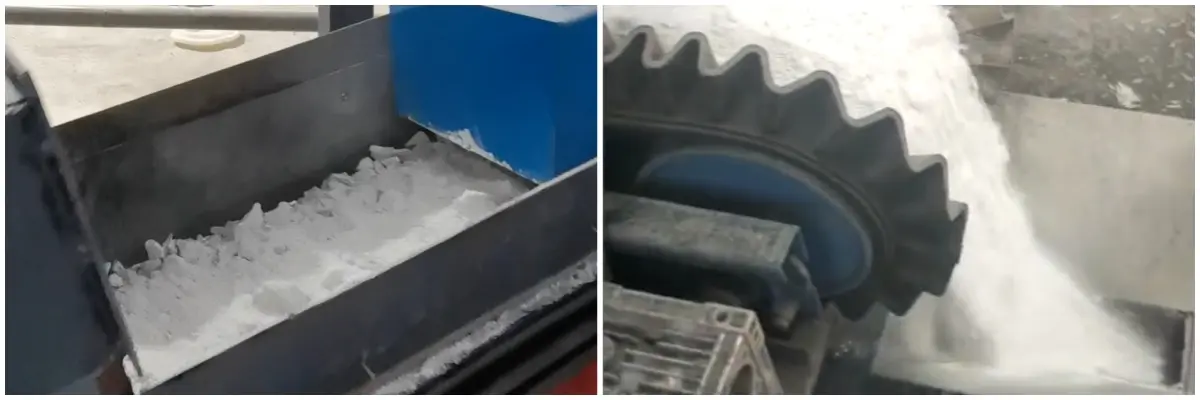
Moisture Content: Free moisture content ≤0.3%, effectively preventing caking and ensuring stability during storage and conveying.
Preparation Process of Ground Calcium Carbonate
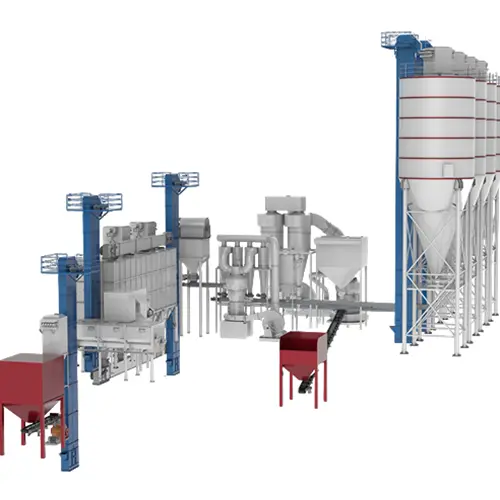
Calcium Carbonate Mineral → Jaw Crusher → Conveying Equipment → Raymond Mill → Ground Calcium Carbonate
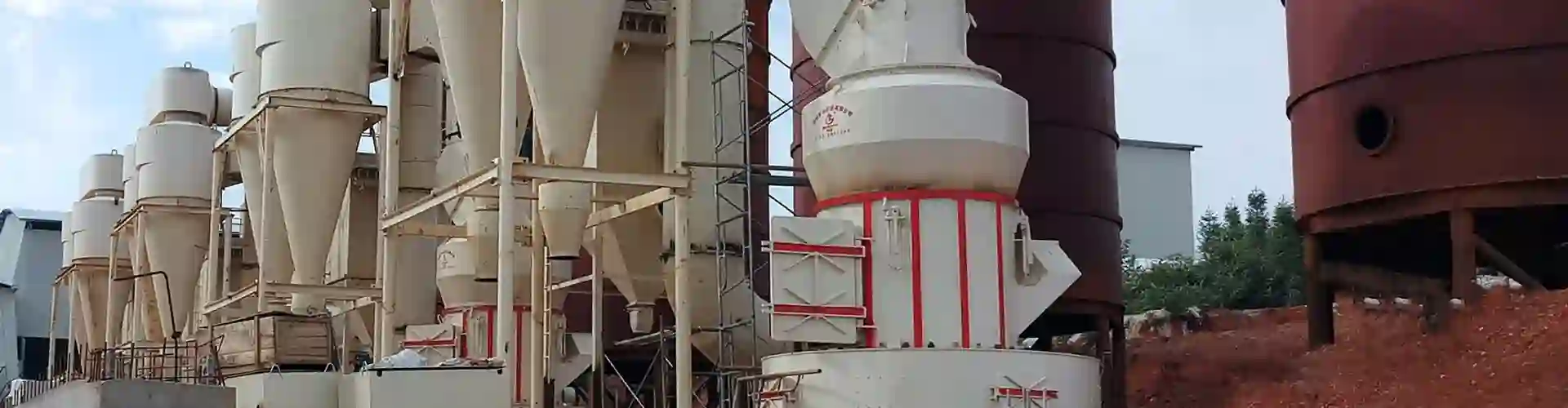
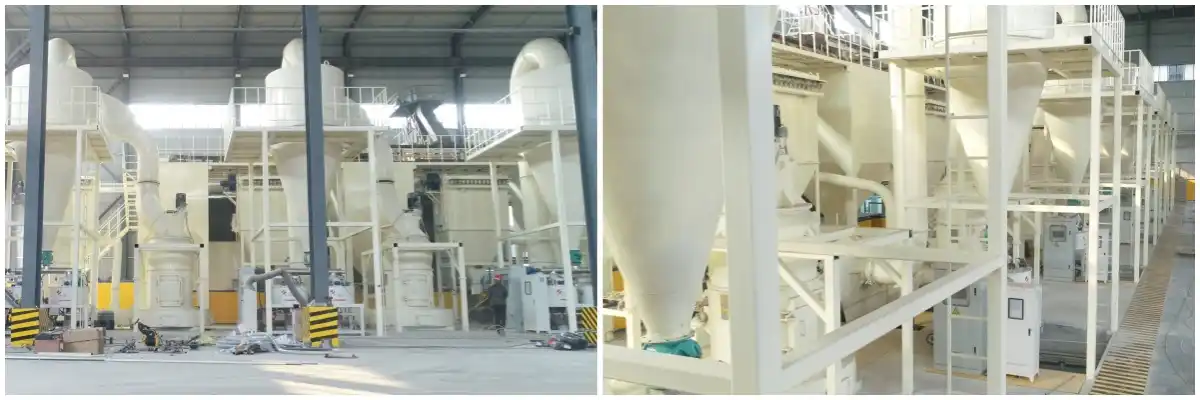
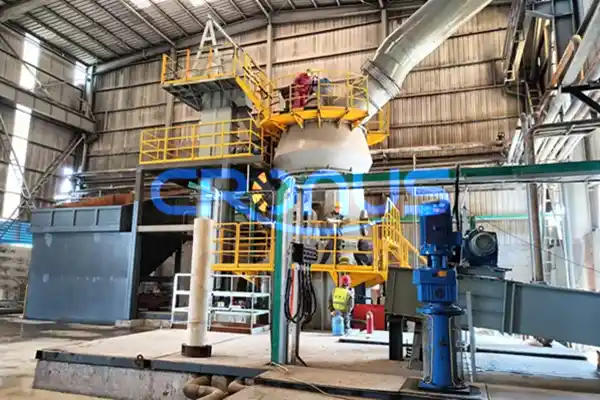
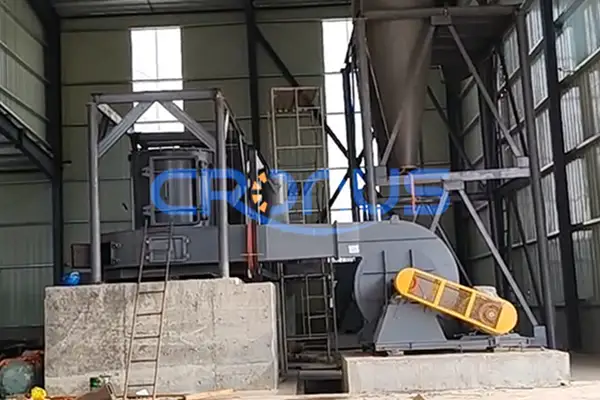
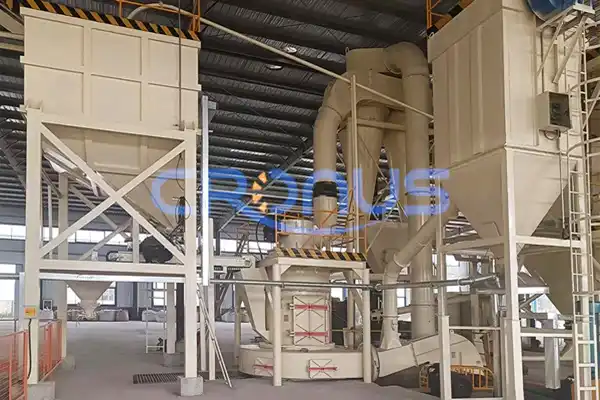
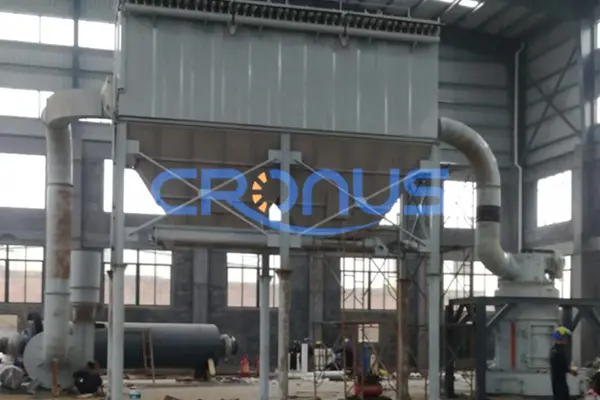
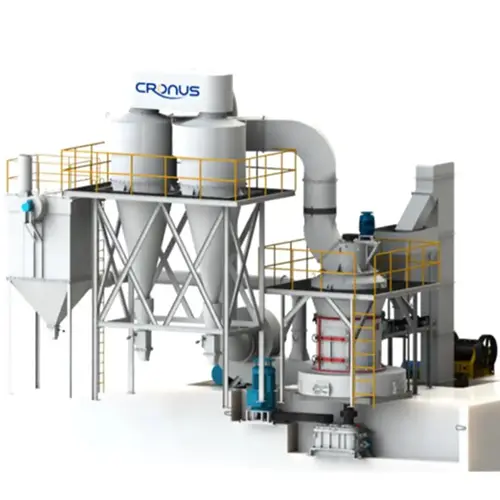
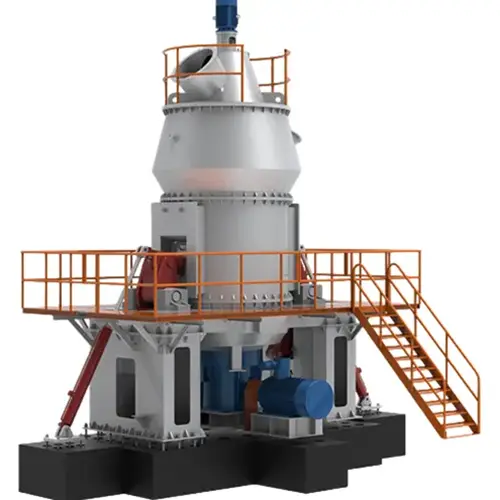
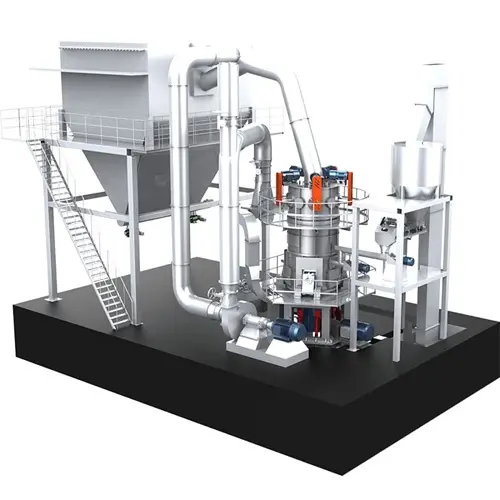
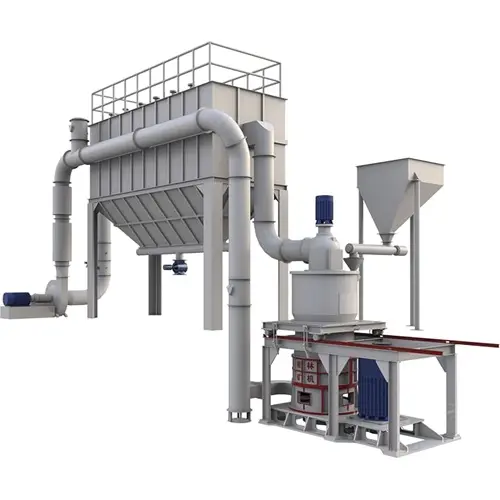
For ground calcium carbonate powder with a fineness of 80~400 mesh, dry grinding is typically performed using a Raymond mill. First, the calcium carbonate mineral is coarsely crushed to ≤30mm by a jaw crusher, then uniformly and stably fed into the Raymond mill via a feeding conveyor for grinding. By adjusting the speed of the classifier and the airflow of the fan, the fineness of the finished calcium carbonate powder can be precisely controlled. For ultra-fine ground calcium carbonate powder with a fineness of 400~2500 mesh, an ultra-fine grinding mill is required.
Application Fields of Ground Calcium Carbonate
Plastics Industry: Used as a filler in PVC pipes, profiles, cable compounds, masterbatches, etc., reducing product costs while improving rigidity, heat resistance, and dimensional stability.
Coatings Industry: Used in interior and exterior latex paints and powder coatings, improving hiding power, leveling, and scrub resistance while reducing formulation costs.
Papermaking Industry: Used as a coating pigment and filler, improving paper opacity, whiteness, and printability while reducing pulp consumption.
Building Materials Industry: Used in artificial stone, putty powder, dry-mix mortar, etc., increasing product whiteness and strength while improving application performance.
Technical Parameters of Ground Calcium Carbonate
| Ground Calcium Carbonate Parameter Table | |
| Calcium Carbonate (CaCO₃) Content | ≥97.5% |
| Iron Oxide (Fe₂O₃) Content | ≤0.05% |
| Hydrochloric Acid Insoluble Content | ≤0.10% |
| Fineness (Mesh) | 80~400 mesh |
| Whiteness | 85~95 (high quality: ≥96) |
| Free Moisture Content | ≤0.3% |
| Appearance | White uniform powder, free from visible impurities |
| * The above data are for reference only. Specific parameters vary by application, and there is no unified industry standard. | |
Frequently Asked Questions About Ground Calcium Carbonate
What is the difference between ground calcium carbonate and precipitated calcium carbonate?
Ground Calcium Carbonate (GCC): Produced from natural minerals such as calcite, marble, and limestone through mechanical crushing, grinding, and classification. It features a simple production process, low cost, low oil absorption value, and high bulk density. It is mainly used as a filler in plastics, coatings, papermaking, building materials, and other industries.
Precipitated Calcium Carbonate (PCC): Produced from limestone through a chemical precipitation process involving calcination, hydration, and carbonation. Its microscopic morphology is spindle-shaped or chain-like, with high oil absorption value and low bulk density. Production cost is relatively high, and it is mainly used as a reinforcing agent in rubber, plastics, inks, toothpaste, and other fields.
What should be noted when storing ground calcium carbonate?
Ground calcium carbonate is chemically stable and does not readily react with moisture or carbon dioxide in the air. However, it should still be stored in a cool, dry, and well-ventilated warehouse to avoid moisture absorption and caking. It is recommended to store it in sealed packaging or ton bags, and stacking height should not be too high to prevent compaction and caking. The typical shelf life is 12 months; after expiration, retesting is recommended before use.
What is the difference between ordinary ground calcium carbonate and ultra-fine ground calcium carbonate?
Ordinary Ground Calcium Carbonate: Fineness ranges from 80 to 400 mesh. It is typically produced using a Raymond mill for dry grinding, featuring a simple process, low cost, and low oil absorption value. Its primary purpose is filling and cost reduction, suitable for conventional industrial applications of calcium carbonate.
Ultra-fine Ground Calcium Carbonate: Fineness ranges from 400 to 2500 mesh. It requires high-precision equipment such as ultra-fine grinding mills, featuring a complex process, high added value, and higher oil absorption value. Its primary purpose is reinforcement and modification, suitable for high-end industries such as plastics, coatings, and rubber.
 Home
Home Products
 About
About Call
Call