


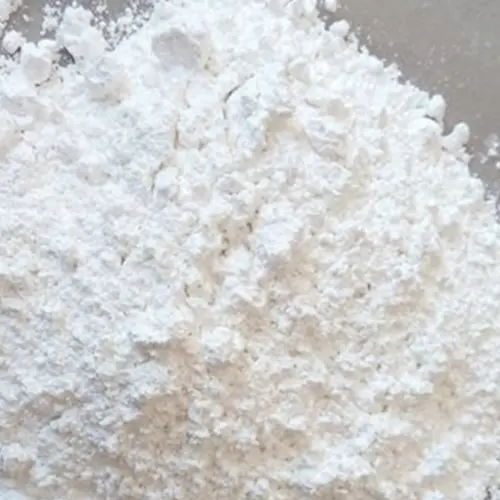
Food Grade Calcium Hydroxide
Powder Purity:95%~99%
Powder Whiteness:90~95
Powder Fineness:Passing rate through 325 mesh sieve ≥98%
Free Moisture Content:≤1.0%
Food Grade Calcium Hydroxide Information Introduction
Food grade calcium hydroxide is a food additive that complies with national food safety standards. It has stringent requirements for raw material purity and production processes. Its content of harmful impurities such as heavy metals and microbial indicators is extremely low, meeting all national food safety standards. It is suitable for food processing, pharmaceutical preparation, drinking water purification, and other fields.
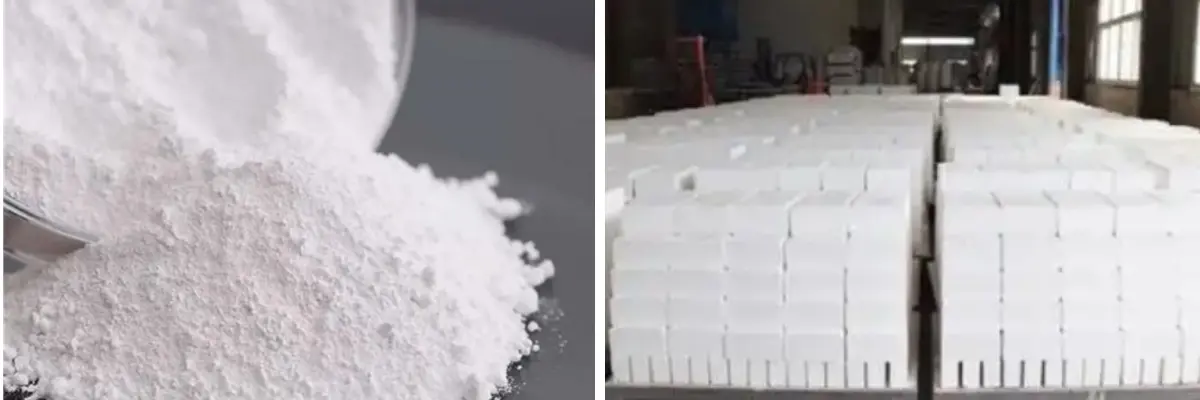
Powder Characteristics of Food Grade Calcium Hydroxide
Chemical Properties: Main calcium hydroxide (Ca(OH)₂) content ≥95%, featuring high purity, low impurities, and extremely low heavy metal content.
Physical Properties: Fine and uniform powder, with a 325-mesh sieve passing rate ≥98%. The powder is dry, loose, and has excellent flowability.
Whiteness: Typically between 90~95, uniform in color with no black spots.
Moisture Content: Free moisture content ≤1.0%, resistant to caking, highly stable, and conducive to long-term storage.
Preparation Process of Food Grade Calcium Hydroxide
Quicklime Material (Purity ≥95%) → Lime Hydrator → Water Mist Dust Collector → Hydrated Calcium Hydroxide
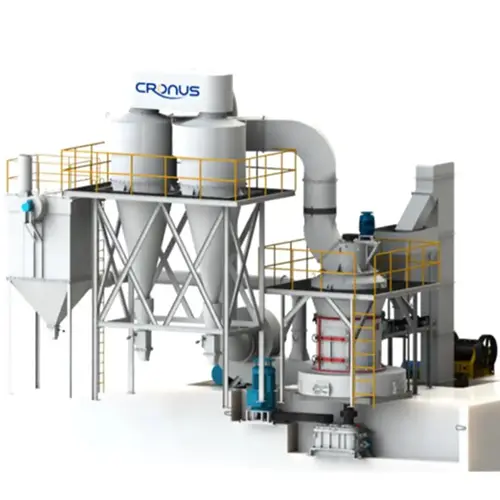
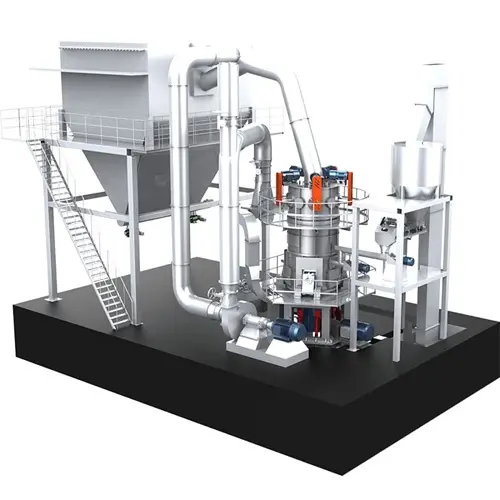
Producing food grade calcium hydroxide requires high-purity quicklime raw material (purity ≥95%, typically calcined in a rotary kiln) and a lime hydrator with a secondary digestion design. The quicklime undergoes initial digestion in a twin-shaft mixer, followed by secondary digestion in a chain-type stirring digester. This ensures complete reaction of fine calcium oxide particles with water, eliminating any residual CaO which is highly corrosive and poses safety risks. An integrated water mist dust collector recovers heat to promote the digestion reaction while capturing fine dust, improving raw material utilization.
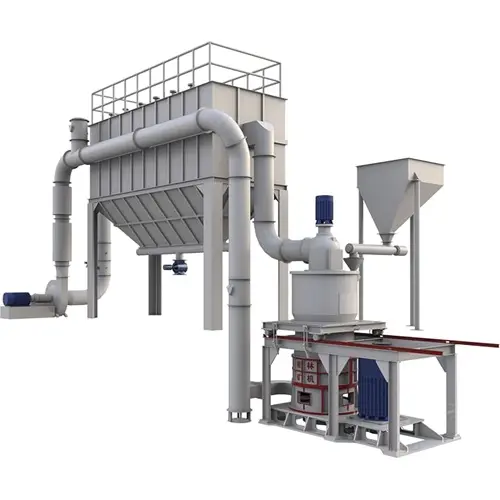
Hydrated Lime Classifier → Hydrated Lime Grinding Mill → Food Grade Calcium Hydroxide
The hydrated calcium hydroxide is then separated by a Hydrated Lime Classifier. Coarse particles with incomplete reaction are returned to the lime hydrator for secondary digestion. The finely reacted powder proceeds to a hydrated lime grinding mill for dispersion, grinding, and classification. The final product is food grade calcium hydroxide with a 325-mesh sieve passing rate ≥98% and extremely high purity (≥95%), fully meeting the stringent safety and efficacy requirements of the food and pharmaceutical industries.

Application Fields of Food Grade Calcium Hydroxide
Food Additive: As a compliant additive (INS 526), food grade calcium hydroxide is directly used for pH adjustment in beverages, coagulation in bean products, texture improvement in meat, and calcium fortification in infant food, serving functions of acidity regulation, coagulation, and stabilization.
Nutritional Calcium Source: As a high-purity calcium source, it is used to synthesize safe and efficient organic calcium salts such as calcium lactate and calcium citrate, playing a key role in calcium nutrition fortification for dietary supplements and functional foods.
Pharmaceutical & Biological: Used for pH adjustment in pharmaceutical preparations and as a core calcium source for synthesizing the biomaterial hydroxyapatite (HA).
Chemical Catalysis: Serves as a high-purity alkaline catalyst or pH regulator in the synthesis of high-value-added pharmaceutical intermediates and fine chemicals.
Technical Parameters of Food Grade Calcium Hydroxide
| Food Grade Calcium Hydroxide Specification Reference Table | |
| Calcium Hydroxide [Ca(OH)₂] Content | ≥95.0% |
| Arsenic (As) Content | ≤3.0 mg/kg |
| Lead (Pb) Content | ≤5.0 mg/kg |
| Fluoride (F) Content | ≤50 mg/kg |
| Heavy Metals (as Pb) | ≤10 mg/kg |
| Acid-Insoluble Matter Content | ≤0.1% |
| Magnesium & Alkali Metal Content | ≤1.0% |
| Fineness | 325-mesh sieve passing rate ≥98% |
| Whiteness | 90~95 |
| Free Moisture Content | ≤1.0% |
| * The above data is for reference only. Specific parameters vary by application, and there is no unified industry standard. | |
Frequently Asked Questions About Food Grade Calcium Hydroxide
What are the storage precautions for food grade calcium hydroxide?
Food grade calcium hydroxide must be stored in a tightly sealed container in a dry environment. The package should be resealed immediately after use to prevent it from absorbing carbon dioxide and moisture from the air, which can cause deterioration. Storage must protect against dampness and humidity to avoid product caking. Dedicated tools should be used for handling to prevent cross-contamination.
How should food grade calcium hydroxide be dissolved for use?
It is typically prepared as a 5~10% lime milk solution. Calcium hydroxide should be slowly added to water with continuous stirring to ensure thorough dispersion. After preparation, the solution should be allowed to settle and clarify for about 24 hours, after which the clear supernatant is used. It is important to note that this solution should be prepared fresh for immediate use; it is recommended to use it within 24 hours of preparation to ensure optimal effectiveness and food safety.
What is the difference between food grade and industrial grade calcium hydroxide?
Food grade calcium hydroxide must strictly comply with national food safety standards, imposing extremely strict limits on harmful impurities such as heavy metals and microorganisms. Its production process must occur in an environment that meets food hygiene regulations, resulting in a finished powder of higher purity. Industrial grade calcium hydroxide has no such requirements; its powder purity is relatively lower, and it is more cost-effective, making it suitable for industrial production applications.






 Home
Home Products
 About
About Call
Call