

Ceramic Waste Grinding Mills and Production Line Process
What is Ceramic Waste?
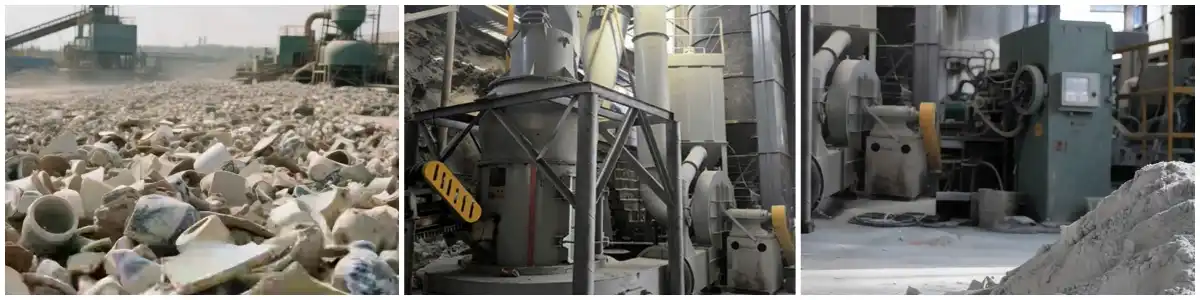
Ceramic waste (also known as ceramic slag, waste ceramic powder) is the solid waste generated during the production process of the ceramic industry. Its main chemical components are silicon dioxide (SiO₂) and aluminum oxide (Al₂O₃), with a hardness close to natural ceramic minerals like kaolin and feldspar, at a Mohs hardness of 6~7. It features stable chemical properties and excellent high-temperature resistance, wear resistance, and corrosion resistance.
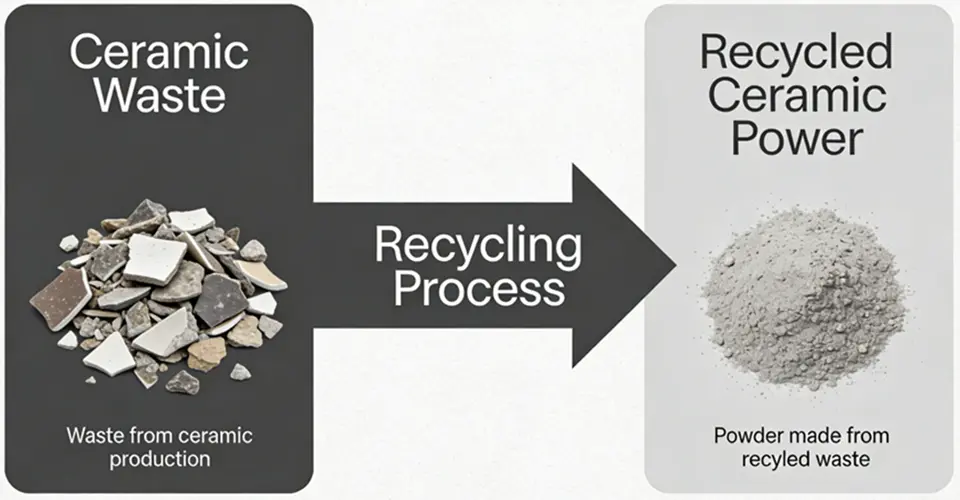
Driven by the industry trends of carbon neutrality and solid waste resource utilization, ceramic waste has transformed from an environmental challenge into a value-added renewable resource. As key processing equipment, the ceramic waste grinding mill can process it into regenerated ceramic powder of various finenesses, achieving a win-win situation for both environmental protection and economic benefits.
Key Considerations for Ceramic Waste Processing
Impurity Removal: Ceramic waste often contains impurities like iron nails, stainless steel grinding media, refractory bricks, and plastics. Metallic impurities, in particular, can severely wear down core components of the mill such as grinding rollers and rings. Pre-processing steps like manual sorting, vibrating screen separation, and magnetic separation are necessary. Crushers, mills, and screening equipment should be equipped with current overload protection to prevent damage from jamming by hard materials.
Moisture Control: If the ceramic waste contains waste clay, wet blanks, or washed waste, a dryer is required. Excess moisture can cause material to stick to walls and clog the equipment during grinding, reducing efficiency and potentially leading to equipment failure.
Multi-Stage Crushing: Grinding mills have strict feed size requirements (typically ≤30~50mm). Due to the high hardness of ceramic waste, a jaw crusher is needed for primary crushing, followed by a cone crusher or hammer crusher for secondary/fine crushing. This ensures the feed size meets the mill's requirements for stable operation.
Safety Protocols: Ceramic waste itself poses no explosion risk. However, it is crucial to prevent the mixing of plastics, woven bags, oily impurities, or unknown industrial waste. Strict screening and impurity removal before feeding are mandatory, and flammable or explosive materials are strictly prohibited from entering the mill.
How to Choose the Right Ceramic Waste Grinding Mill?
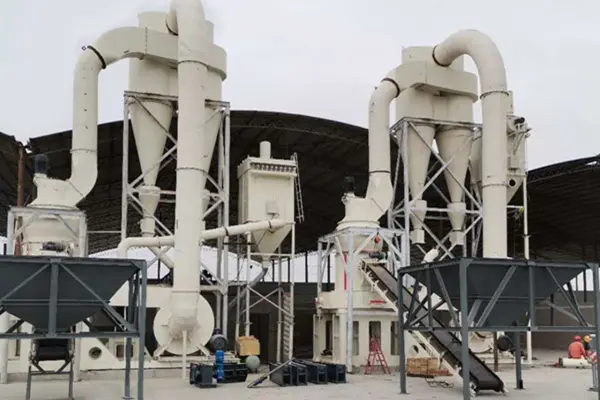
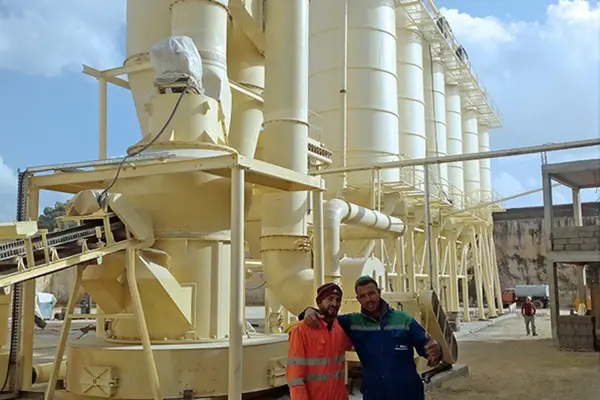
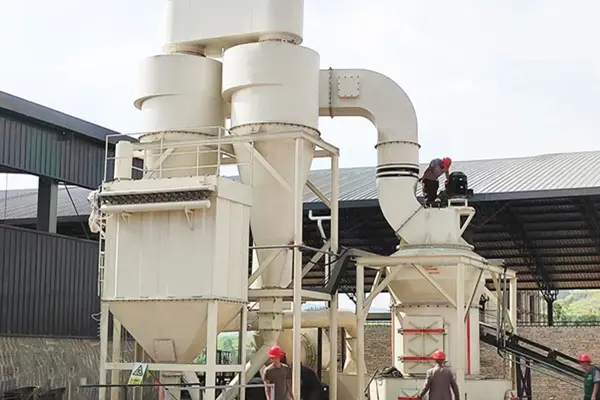
Raymond Mill
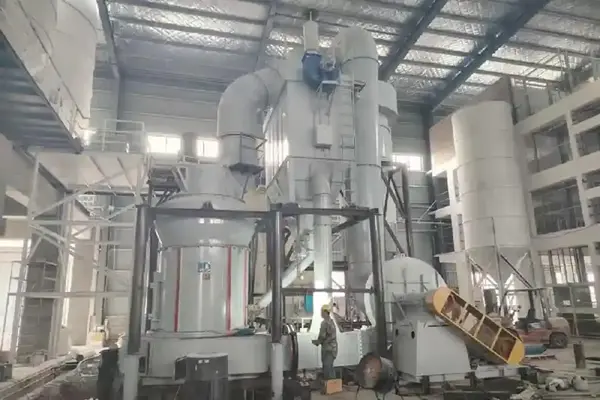
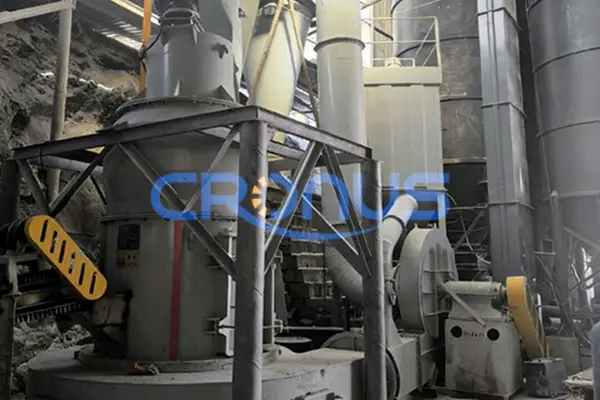
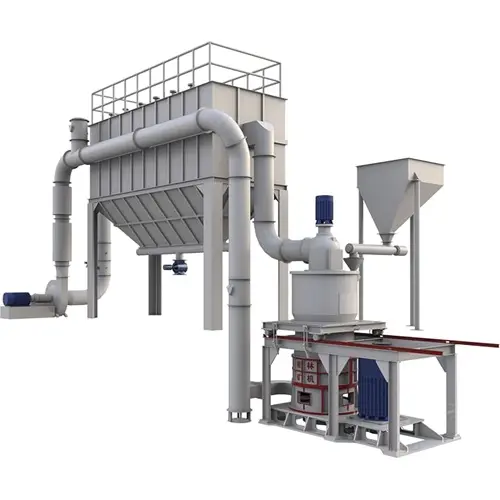
The core advantages of using a Raymond mill for ceramic waste are low investment threshold, small footprint, and simple maintenance. When processing high-hardness materials in ceramic waste, the wear parts material (e.g., high-chromium cast iron) needs to be upgraded. Suitable for small to medium-scale production scenarios requiring 80~400 mesh fineness, such as in-plant ceramic waste recycling (for regenerated tiles, rustic tiles), cement additives, and building material fillers.
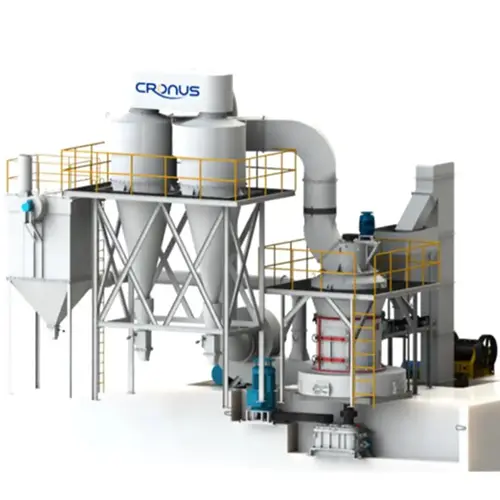
Vertical Mill
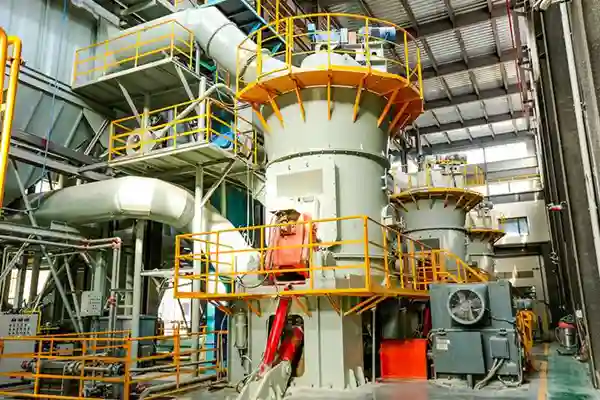
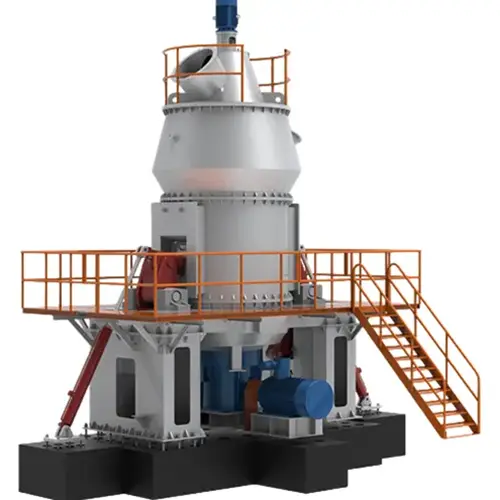
The core advantages of using a Vertical Mill (VRM) for ceramic waste are high grinding efficiency and 20-30% lower power consumption per ton compared to ball mills. It integrates crushing, drying, grinding, and classifying, enabling continuous 24/7 stable operation. Ideal for large-scale applications like centralized solid waste processing in ceramic industrial parks, bulk powder supply for the building materials industry, and resource utilization of metallurgical solid waste. Although the initial investment is higher, the lower operating energy consumption allows recovering the cost difference through energy savings within 2-3 years.
Ultra-fine Grinding Mill
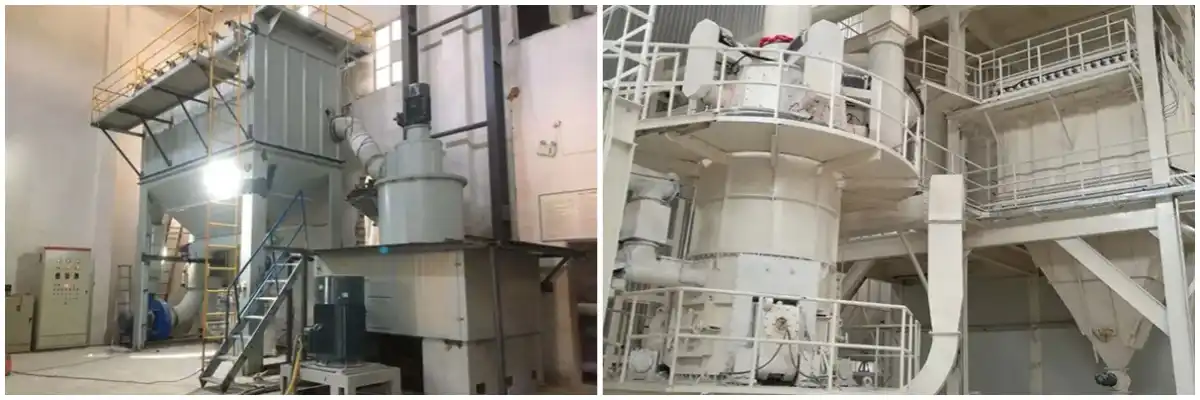
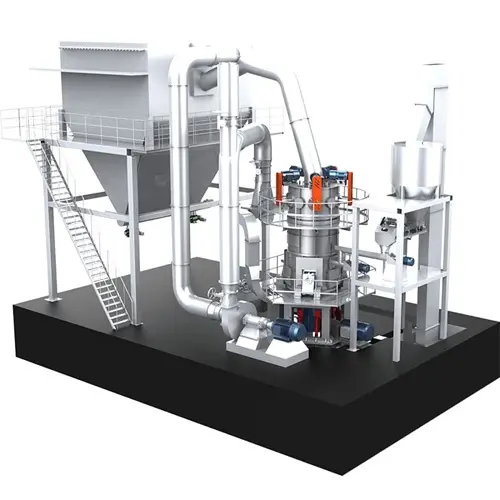
Ultrafine grinding mills are used to produce regenerated ceramic powder with a fineness of 400~2500 mesh. For small to medium scale production, an ultrafine ring roller mill is typically used; for large-scale production, an ultra-fine vertical mill is preferred. Both offer high classification precision and concentrated particle size distribution. Suitable for high-end applications such as chemical fillers, coatings, plastic modification, rubber products, and functional powders. For deep processing of ceramic waste, equipping a surface modifier can significantly enhance the added value of the regenerated ceramic powder.
Process Flow of Ceramic Waste Grinding Production Line
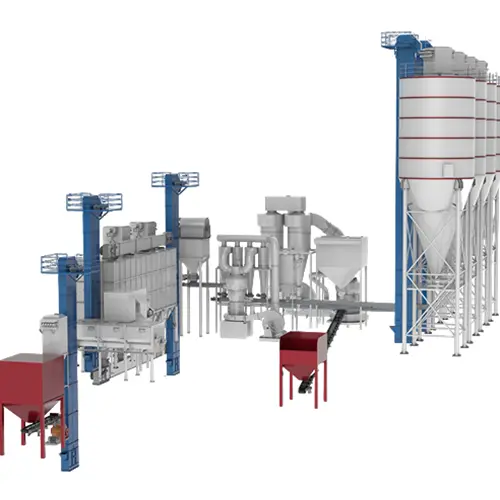
The ceramic waste grinding production line typically follows a process of 'impurity removal first, then crushing, and finally grinding'. Ceramic waste first undergoes manual sorting, vibrating screen separation, and multi-stage magnetic separation to thoroughly remove metals and other impurities.
Subsequently, large waste pieces are coarsely crushed by a jaw crusher and then finely crushed by a hammer crusher or cone crusher to meet the mill's feed size requirement. The crushed material is then lifted by an elevator into a silo and finally fed by a feeder into the mill for grinding and classification.
The classified qualified regenerated ceramic powder is carried by airflow to the dust collection system, consisting of a cyclone collector and a pulse bag filter, for collection and purification, ensuring emissions ≤10mg/m³.
The entire line uses a negative pressure, sealed design. For high-end applications, it can be equipped with a surface modification machine for deep processing to enhance the powder's added value.
Application Scenarios for Ceramic Waste Grinding Mills
FAQs about Ceramic Waste Grinding Mills
Are the grinding rollers and rings of a ceramic waste grinding mill replaced frequently?
Ceramic waste has a Mohs hardness of 6~7, causing significant wear on wear parts. Grinding rollers and rings made of ordinary materials cannot grind efficiently. Typically, materials like high-chromium alloy or wear-resistant ceramics are used to upgrade the core grinding components. Alternatively, choosing a vertical mill that operates on the material bed grinding principle, where rollers do not directly contact the table, results in less wear. Under normal operating conditions, the replacement cycle for Raymond mill rollers is about 6-12 months, while vertical mill roller liners can be turned over for use, offering a longer service life.
What to do if the output powder color from the ceramic waste grinding mill is inconsistent?
The composition of ceramic waste is complex, and color may vary between batches. A multi-stage iron removal process can be implemented before feeding to remove iron impurities and prevent the regenerated ceramic powder from turning black. Secondly, it is recommended to mix waste from different batches before grinding to minimize composition fluctuations. If high whiteness is required (e.g., for reuse in ceramic bodies), the number of magnetic separation steps can be increased to ensure the whiteness of the final powder.
How to configure magnetic separators for a ceramic waste grinding production line?
A ceramic waste grinding production line typically requires multiple magnetic separators. A three-stage setup is recommended: Stage 1 before crushing to remove large iron pieces and protect the crusher; Stage 2 before feeding the mill to remove fine iron particles and protect the mill; Stage 3 after collecting the final product to improve the purity of the regenerated ceramic powder.
What mill is used for high-hardness alumina ceramic waste?
Alumina ceramic waste has a Mohs hardness of up to 9. Using a Raymond mill is not recommended due to extremely rapid wear of parts and high maintenance costs. Dry grinding is generally not the preferred method. If a dry process is necessary, a wear-resistant reinforced vertical mill or a ceramic ball mill with a full alumina lining and alumina grinding media could be considered for processing.
 Home
Home Products
 Solutions
 Call
Call