

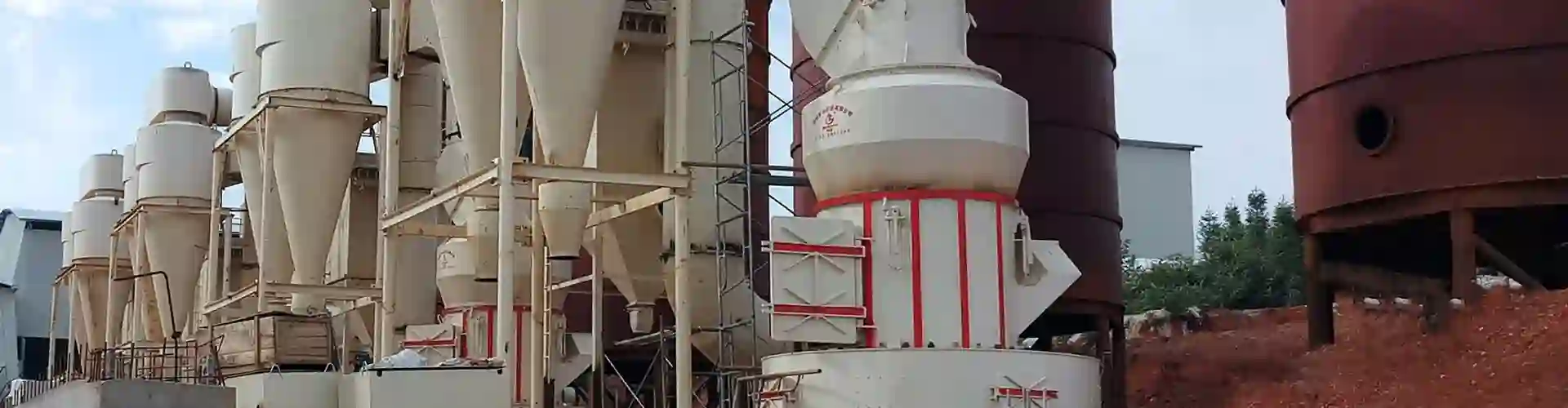
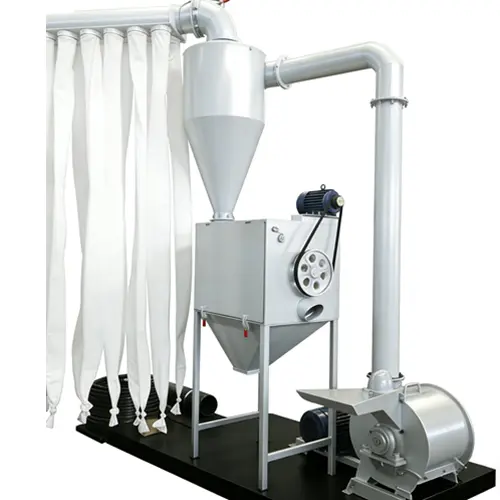
Wood Grinding Mill
Feed Size:≤120mm
Production Output:0.3~3.5t/h
Product Fineness:20~400 mesh
Suitable Materials:Wood, branches, wood chips, sawdust, straw, bamboo powder, etc.
Wood Grinding Mill Introduction
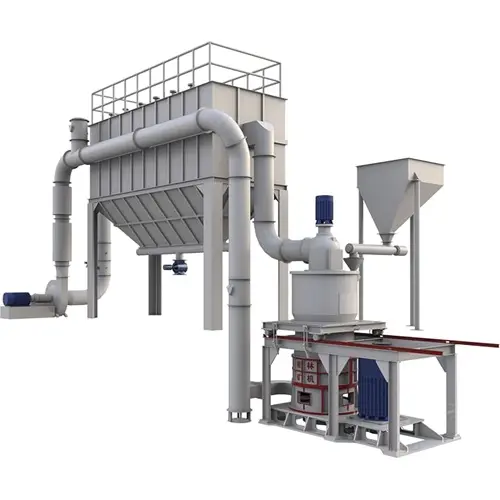
The wood grinding mill (also known as a wood powder mill) is a grinding equipment specifically designed for efficiently processing high-fiber, high-toughness raw materials such as wood and bamboo. With strong shearing force, it effectively solves industry challenges encountered in high-fiber material processing, including fiber entanglement, screen clogging, cutting difficulties, and dust explosion prevention. The finished wood powder features controllable fiber morphology and concentrated particle size distribution.
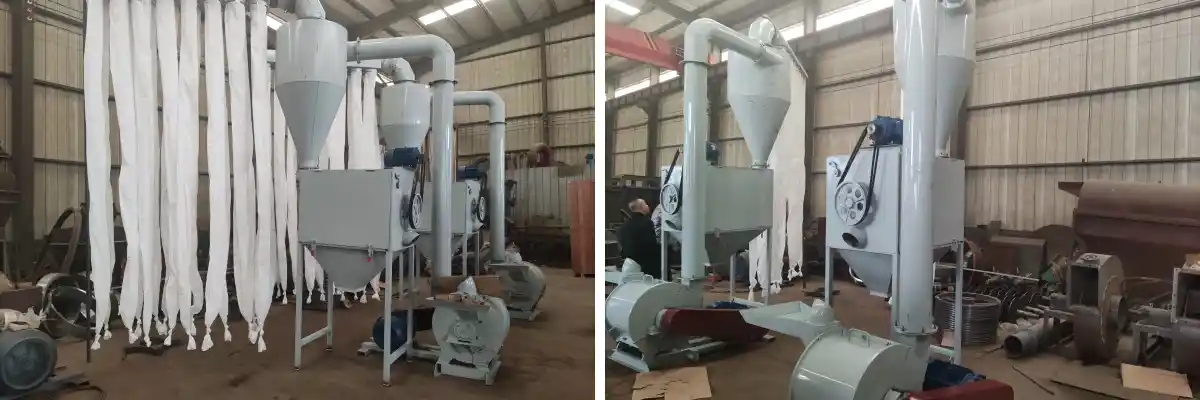
Wood Grinding Mill Features & Advantages
Strong Shearing Force: Equipped with a special alloy cutter head, primarily utilizing shearing force supplemented by grinding force, easily cutting through fiber structures for efficient pulverization.
Anti-Entanglement: Features a unique cutter design and screen structure to effectively prevent fiber entanglement around the main shaft. The screen features uniform openings with self-cleaning design, reducing material clogging and ensuring continuous and stable production.
Explosion-Proof Safety: Integrated air/water cooling system effectively controls grinding temperature. Full-process explosion-proof design with anti-static filter bags completely eliminates dust explosion risks.
Superior Finished Product: Finished wood powder features concentrated particle size distribution and controllable fiber morphology, meeting requirements across industries such as wood-based panels, biomass energy, papermaking, and animal feed.
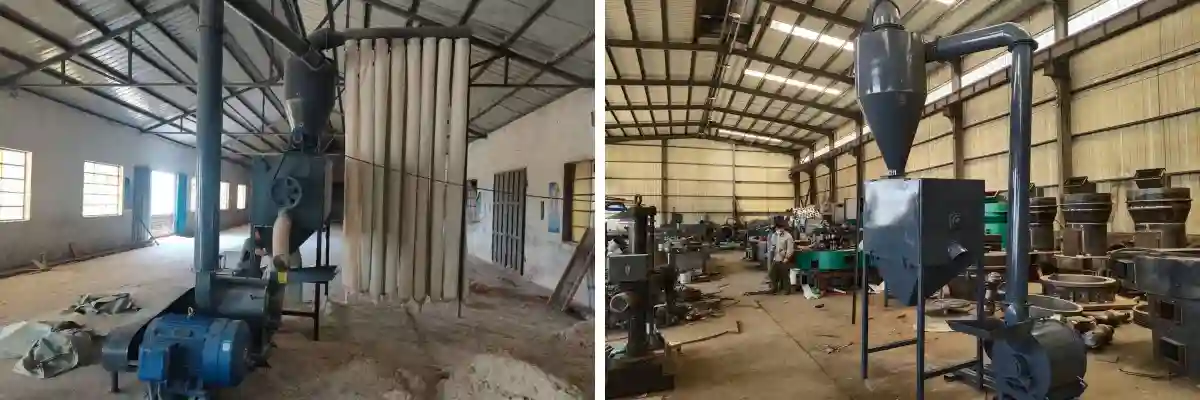
Wood Grinding Mill Process Flow
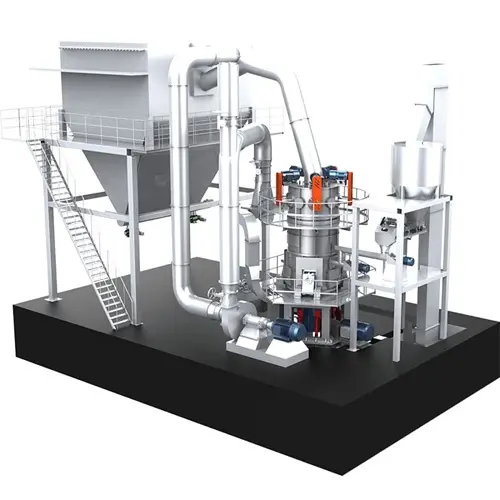
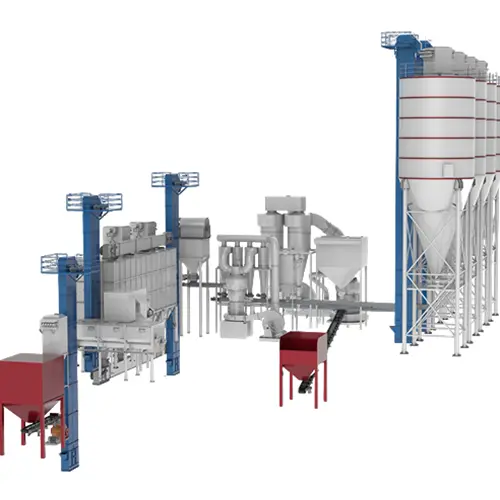
Log → Wood Crusher → Dryer → Wood Grinding Mill → Cyclone Collector → Pulse Explosion-Proof Baghouse Dust Collector → Finished
Crushing & Drying
Raw materials are first crushed by a wood crusher into small wood chips (≤120mm) that meet the mill feed requirements. They are then dried using a dryer to reduce moisture content to ≤15%, and subsequently conveyed to the wood grinding mill.
Grinding & Classification
After entering the grinding zone, the material is driven by the high-speed rotating grinding disc and moves toward the edge. Under centrifugal force, the material is thrown to the edge of the grinding disc, where it undergoes continuous shearing and grinding between the high-speed rotating grinding teeth and the fixed tooth plate, efficiently dissociating and refining the wood fibers.
The ground wood powder rises with the airflow into the classification system. Finished product fineness is precisely controlled by adjusting the classifier speed and grinding disc gap. Wood powder meeting the fineness requirements enters the collection system with the airflow, while coarse powder that does not meet the requirements returns to the grinding zone for regrinding, forming a closed-circuit cycle.
Collection & Dust Removal
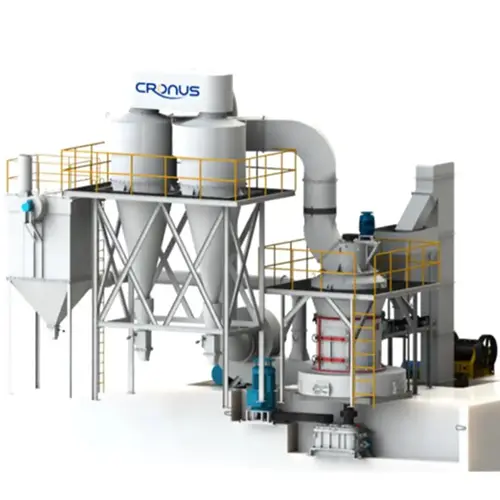
The collection and dust removal system consists of a cyclone collector and a pulse explosion-proof baghouse dust collector, equipped with safety devices such as explosion relief valves, anti-static filter bags, and explosion-proof motors.
Wood Grinding Mill Application Scenarios
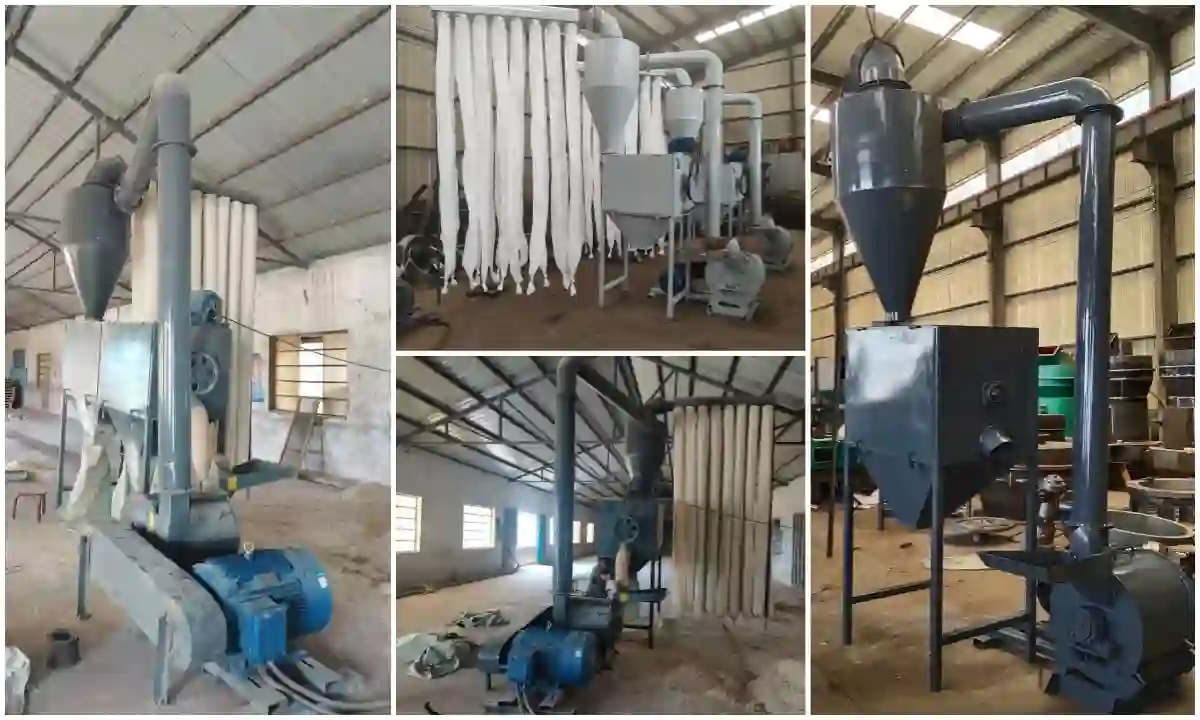
Wood Grinding Mill Technical Parameters
| Wood Grinding Mill Parameter Comparison Table | |||
| Material | Feed Size (mm) | Product Fineness (mesh) | Capacity (t/h) |
| Wood chips, offcuts | ≤50 | 20~120 | 0.3~0.8 |
| Wood chips, branches | ≤80 | 20~200 | 0.8~2 |
| Wood chips, small panels | ≤120 | 20~300 | 1.5~3.5 |
| * The above data is for reference only. Specific parameters vary depending on materials. | |||
Frequently Asked Questions About Wood Grinding Mills
Why not use other grinding mills for grinding wood?
Other grinding mills (such as Raymond mills, ball mills, vertical mills, etc.) mainly rely on compression and roller grinding to comminute materials. They are unable to cut through wood fibers, and instead tend to flatten or compact the material, causing clogging, and thus cannot efficiently grind wood.
Can a wood grinding mill process high-moisture wood?
Direct processing of high-moisture wood (moisture content ≥25%) is not recommended. Wet materials have higher toughness and are prone to adhesion and equipment clogging. Generally, the material moisture content should be reduced to below 15% through natural drying or a dryer before feeding into the wood grinding mill.
What raw materials can a wood grinding mill process?
The wood grinding mill is suitable not only for wood (logs, offcuts, wood chips, wood shavings) but also for bamboo, crop straw (corn stalks, wheat stalks, cotton stalks), hemp, coconut shells, palm fiber, and other high-fiber materials. Note that processing different materials may require更换 different cutter head tooth profiles or adjusting screen openings.
 Home
Home Products
 About
About Call
Call