

Iron Ore Grinding Mill and Production Line Process
- Time:2026-03-05
- Views:107
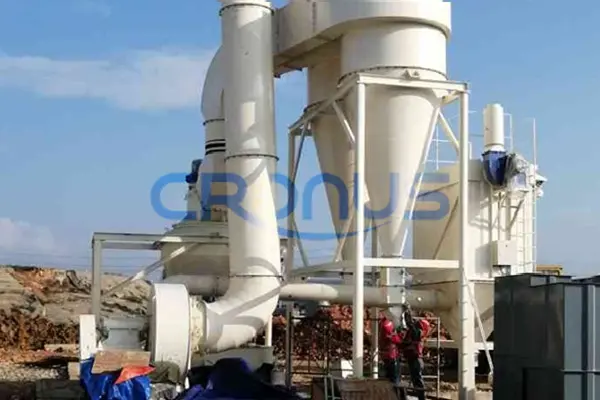
An iron ore grinding mill is equipment that grinds iron ore into powder. The key consideration in mill selection is hardness: the Raymond mill is suitable for processing soft iron ores such as limonite, while the ball mill excels in processing high-hardness iron ores such as magnetite and hematite. Before feeding the material into the mill, multi-stage crushing using equipment such as jaw crushers and cone crushers is required.
What is Iron Ore?
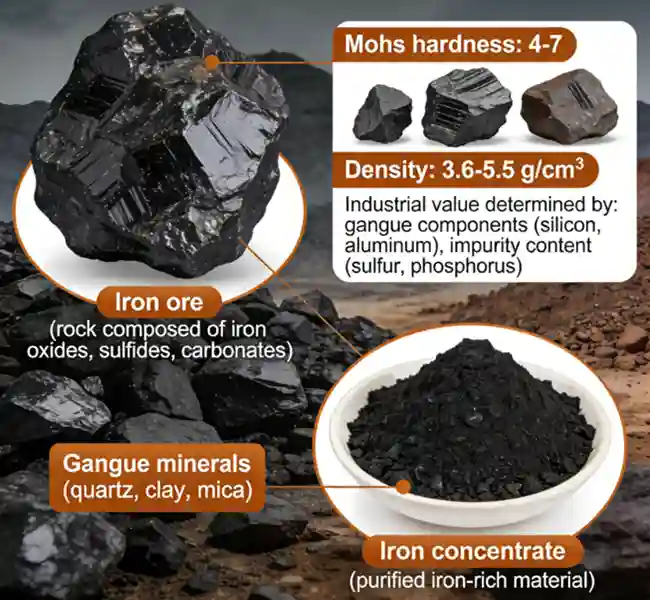
Iron ore is not pure iron, but rather a rock composed of iron compounds in the form of oxides, sulfides, or carbonates, along with gangue minerals such as quartz, clay, and mica that contain little or no iron. This type of rock is what the mining industry extracts as raw iron ore (e.g., magnetite, hematite). Iron ore typically has a Mohs hardness of 4~7, is hard and highly abrasive, with a density of approximately 3.6~5.5 g/cm³. Its industrial value is determined by gangue components (such as silicon and aluminum) and impurity content (particularly sulfur and phosphorus).
Key Considerations for Iron Ore Grinding Production Line
Multi-Stage Crushing: Iron ore is hard and typically requires multi-stage crushing to progressively reduce the raw ore to ≤20mm, reducing the workload on the grinding mill.
Metal Contamination Protection: After multi-stage crushing, residual metal pieces may be mixed into the iron ore. If these enter the grinding mill, they can severely damage the grinding components. Therefore, a strong magnetic separator must be installed on the conveyor belt to remove metal contaminants promptly.
Mineral Processing & Impurity Removal: To ensure the quality of the finished iron concentrate powder, the ground powder must undergo beneficiation. For magnetite, magnetic separation is the core process, using magnetic differences to directly separate gangue minerals such as quartz and clay. Flotation is used only for deep removal of harmful elements like sulfur and phosphorus. For hematite, which has weak magnetic properties, a combined process of gravity separation, high-intensity magnetic separation, and flotation is required to progressively separate gangue minerals.
Equipment Wear: High-hardness iron ores such as magnetite and hematite cause significant wear to grinding components like rollers, tables, and liners. Therefore, the equipment must be upgraded with high-wear-resistant materials (such as high-chromium cast iron or composite ceramics) to reduce the frequency of downtime for replacement.
How to Choose the Right Iron Ore Grinding Mill?
Soft Iron Ore Processing
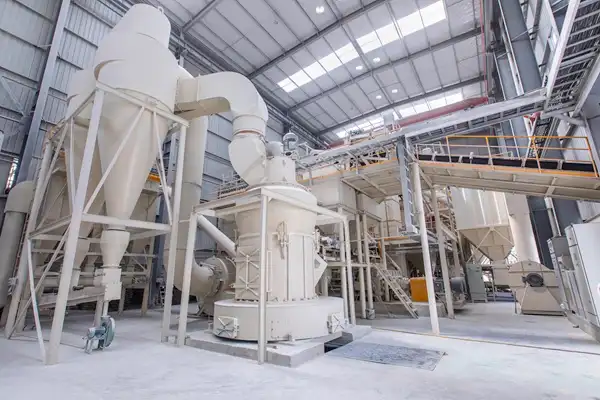
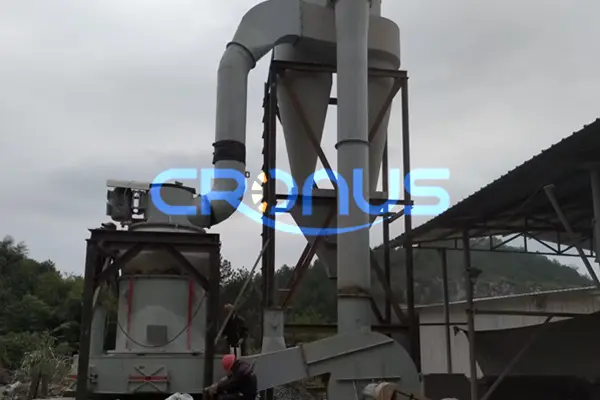
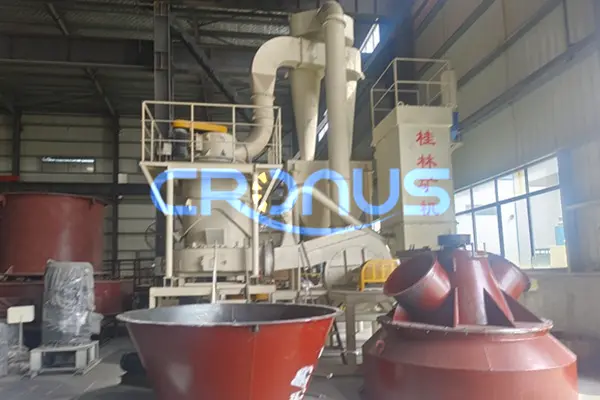
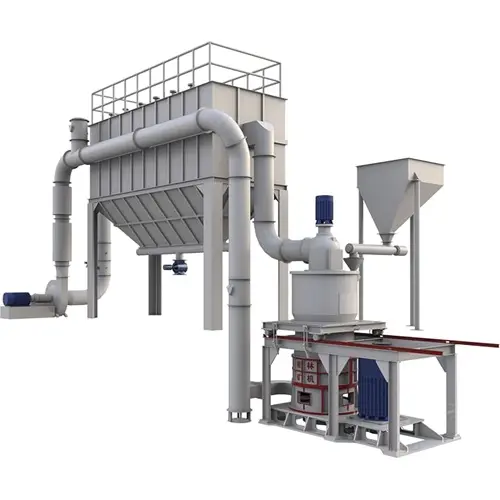
The Raymond mill offers low investment cost and simple operation and maintenance, making it suitable for processing iron ores with relatively low hardness (Mohs hardness 3.5~5). For example, when processing siderite, the Raymond mill exhibits a lower degree of over-grinding, reducing unnecessary ultra-fine powder generation and lowering energy consumption. When processing limonite with low moisture content (<6%), the Raymond mill's air classification system reduces fine powder adhesion, making it less prone to clogging compared to ball mills. However, it should be noted that if limonite has high moisture content (>8%), a pre-dryer is required; otherwise, the air ducts and classifier of the Raymond mill are actually more prone to clogging.
Hard Iron Ore Processing
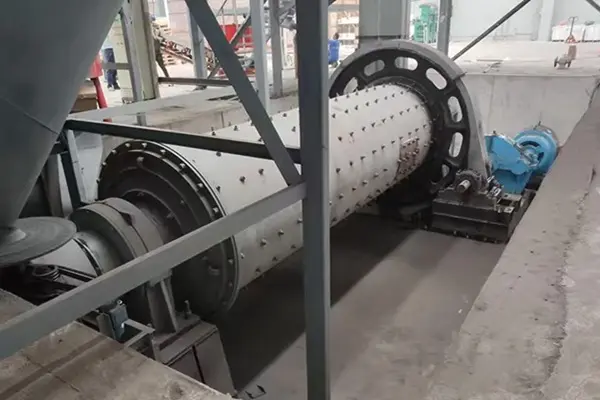
The ball mill is highly adaptable to high-hardness, highly abrasive materials and is the traditional core equipment for iron ore processing, particularly suitable for processing high-hardness iron ores (Mohs hardness 5~7) such as magnetite and hematite. This equipment offers high single-unit processing capacity and stable, reliable operation, and is primarily used in large-scale iron ore beneficiation plants to provide slurry with suitable particle size for subsequent magnetic separation and flotation processes, thereby improving beneficiation efficiency.
Process Flow of Iron Ore Grinding Production Line
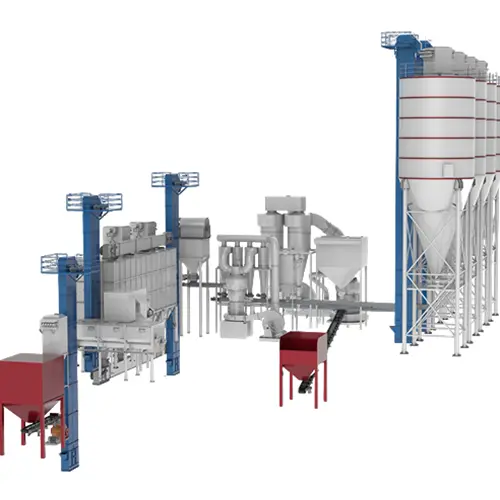
The iron ore grinding production line follows the principle of "more crushing, less grinding." Raw iron ore is first coarsely crushed by a jaw crusher to remove large impurities, then further processed by a cone crusher for secondary and tertiary crushing. The tertiary crushing is combined with a vibrating screen for screening, while a magnetic separator removes metal impurities to ensure the crushed iron ore meets the mill feed standard.
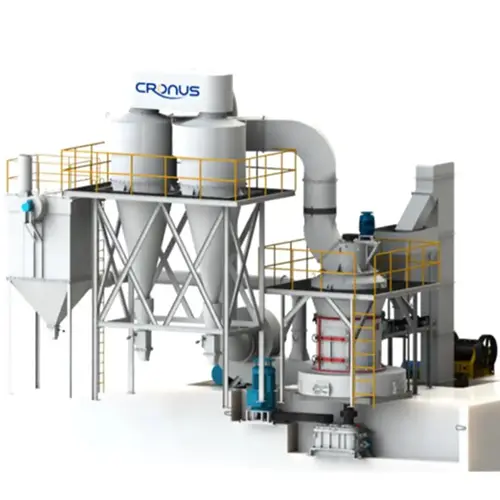
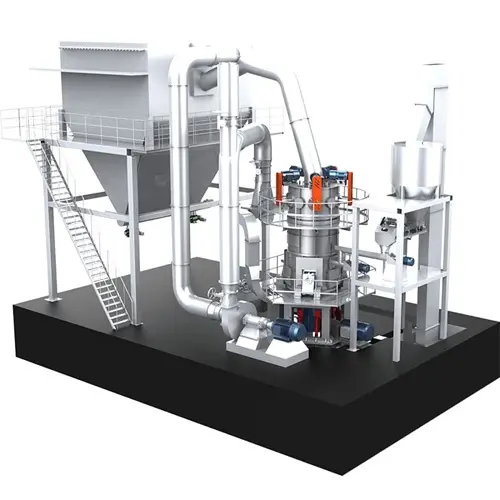
Next, the qualified crushed material is fed into the grinding mill via conveying equipment for grinding and pulverization. The ground qualified powder is collected by a cyclone collector and then recovered and purified by a pulse jet baghouse dust collector.
Finally, the collected powder enters the beneficiation process. For magnetite, magnetic separation is the primary method with flotation as a supplement; for hematite, a combined process of gravity separation + high-intensity magnetic separation + flotation is used. Through these combined processes, gangue and harmful impurities are separated, ultimately producing iron concentrate powder that meets metallurgical requirements (typically TFe ≥63%, S ≤0.1%, P ≤0.05%).
Application Scenarios of Iron Ore Grinding Mill
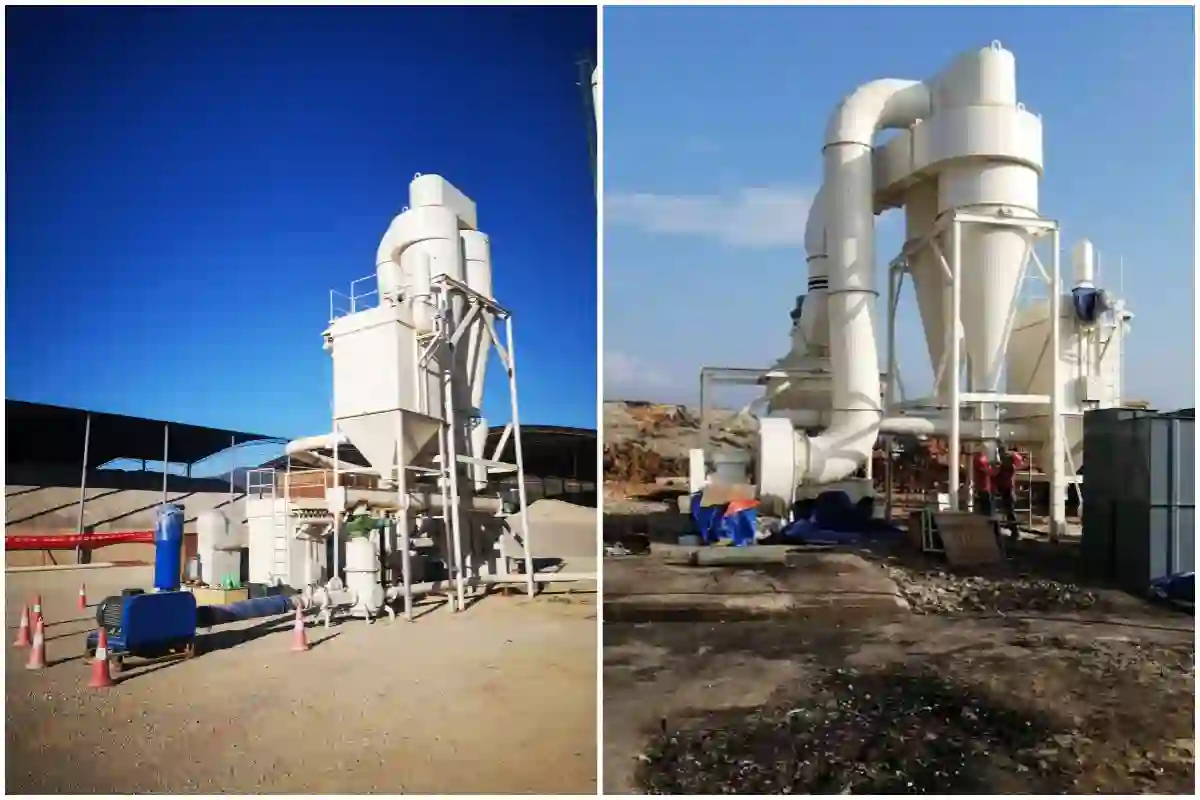
Frequently Asked Questions About Iron Ore Grinding
Is finer finished product always better for iron ore grinding mills?
No. Excessively fine product not only increases energy consumption and grinding costs but also generates excessive "slimes," which increase dewatering difficulty. These slimes absorb large amounts of reagents during flotation and contaminate the iron concentrate, and also cause mechanical entrainment during magnetic separation, reducing the quality of the finished iron concentrate.
Can ultra-fine grinding mills be used for iron ore?
Ultra-fine grinding mills are rarely used for iron ore processing. A conventional Raymond mill grinding the ore to 200 mesh (approximately 74μm) already meets the requirements of most beneficiation processes. Grinding to a finer size (e.g., 400 mesh) not only increases power consumption exponentially but also generates excessive slimes that interfere with magnetic separation and flotation, actually reducing concentrate grade and recovery. Ultra-fine grinding is only considered in industrial trials for very few special ore types (such as finely disseminated hematite) and is not recommended for conventional iron ore projects.
How to reduce iron contamination in iron ore grinding mills?
Core grinding components of iron ore grinding mills (such as rollers and liners) can be made of wear-resistant ceramic instead of metal to fundamentally eliminate iron contamination. Magnetic separators with intensity ≥12000 gauss can be used to remove large iron particles.
Which iron ore grinding mill should be chosen for magnetite?
A ball mill is recommended for processing magnetite. Raymond mills are not suitable for processing highly magnetic magnetite because the strongly magnetic material quickly adheres to the grinding rollers, rings, and inner walls of the pipes, forming a "magnetic agglomeration" layer, which not only reduces grinding efficiency but may also cause equipment failure.
Recommendations
-
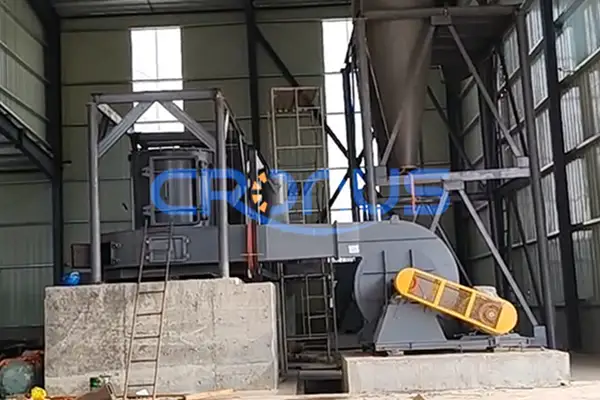 How to construct a standard foundation for a Raymond Mill?
 -
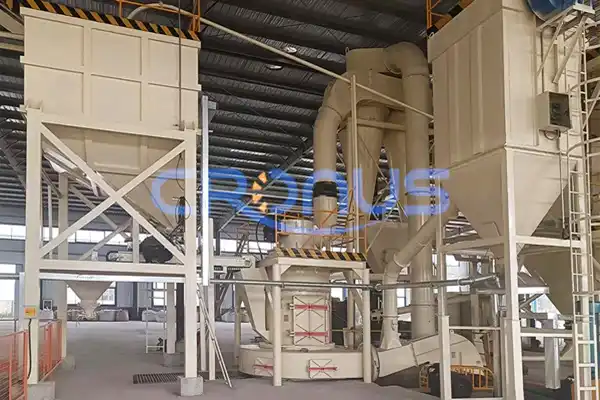 Can Sand‑Powder Integrated Machines Truly Achieve Co‑production? Equipment Selection Guide
 -
 Deep‑Dive Analysis of Working Principle of Raymond Mill
 -
 Why do the grinding roller shaft and the central shaft of a Raymond mill need to undergo heat treatm
 Home
Home Products
 About
About Call
Call