

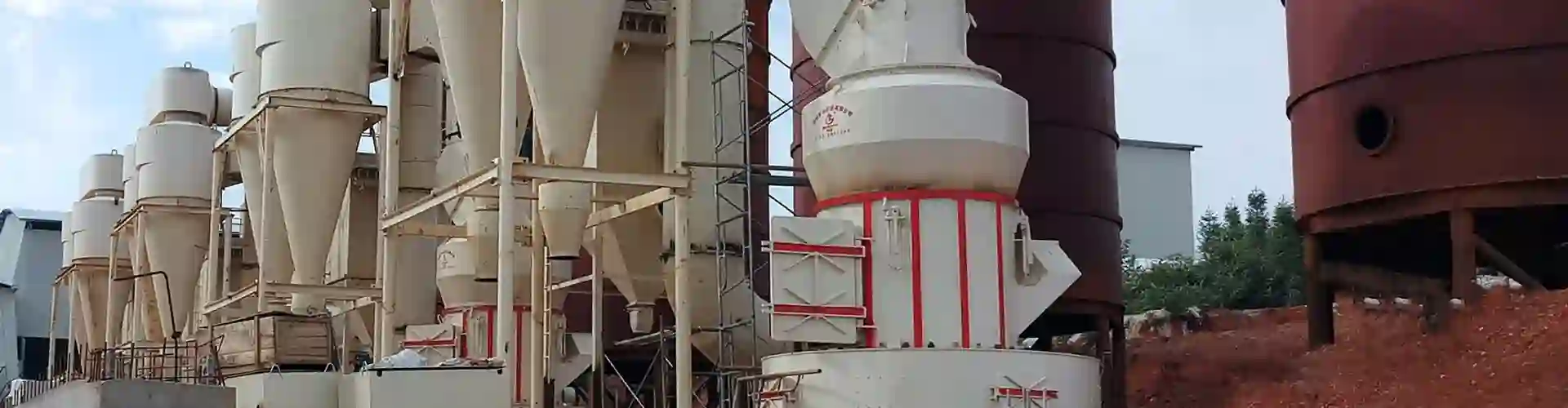
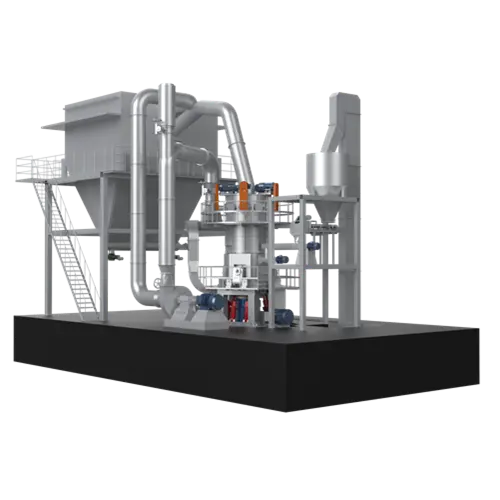
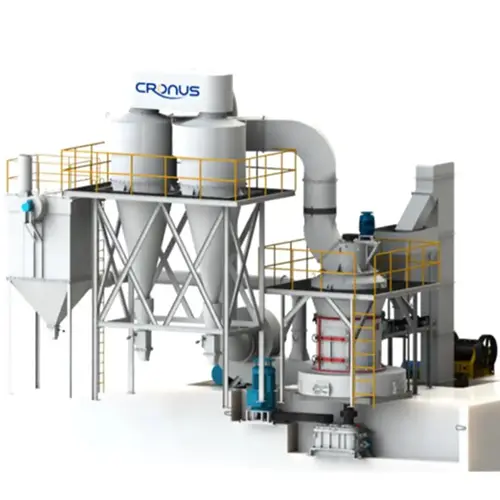
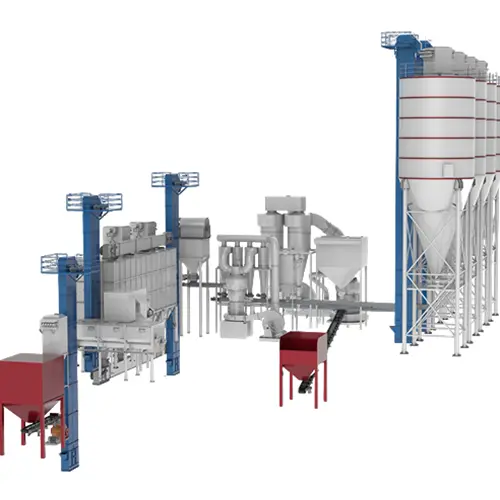
Superfine Grinding Mill
Feed Size:≤30mm
Production Output:0.6~20t/h
Product Fineness:400~2500 mesh
Suitable Materials:Limestone, calcite, marble, dolomite, barite, coal gangue, pyrophyllite, bentonite, kaolin, bauxite, talc, slag, water-quenched slag, gypsum, heavy calcium carbonate, etc.
Superfine Grinding Mill Information Introduction
As the powder processing industry continues to upgrade toward finer materials, the requirements for key indicators such as fineness and purity of powder materials have become more stringent. Traditional grinding mills cannot meet the efficient processing of ultrafine powder (typically referring to powder with D97 ≤ 10μm), thus requiring ultrafine grinding equipment. Common Superfine Grinding Mills include Ultrafine Vertical Mills, Ultrafine Ring Roller Mills, Jet Mills, and Ball Mill Classification Production Lines (Ball Mill + Air Classifier).
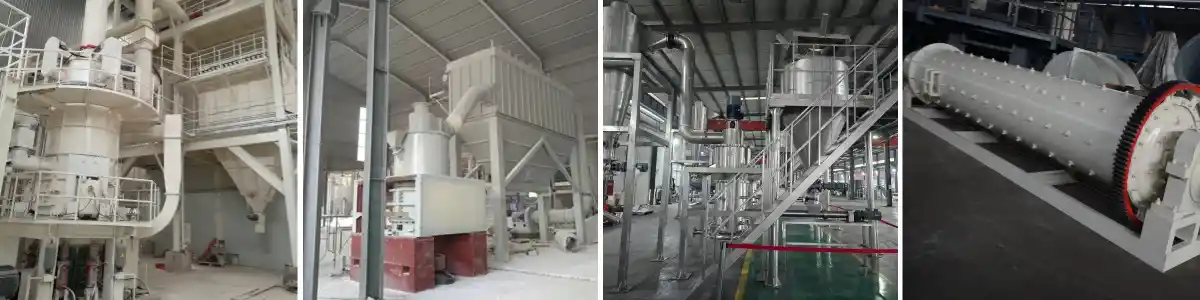
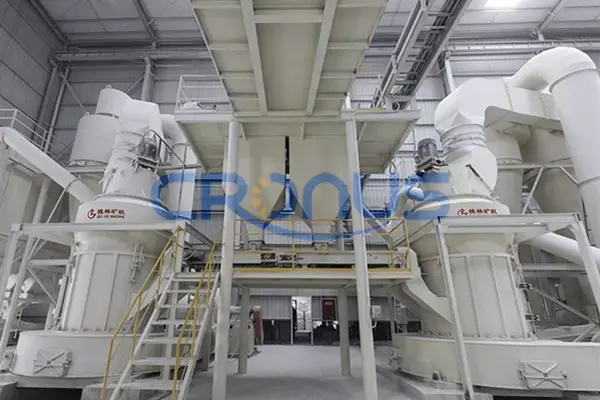
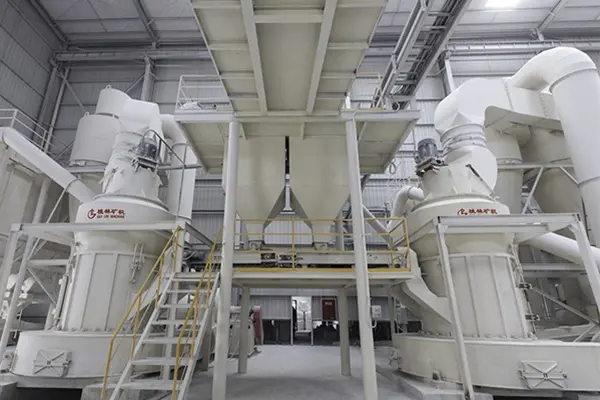
Cronus Machinery, focusing on the research, development, and manufacturing of grinding mills, has successively launched ultrafine powder processing equipment such as the CRLM Ultrafine Vertical Mill and the CRHGM Ultrafine grinding mill, tailored to different material characteristics and industrial requirements. Each offers distinct advantages, providing customers with efficient and economical ultrafine powder solutions.
Features and Advantages of Superfine Grinding Mills
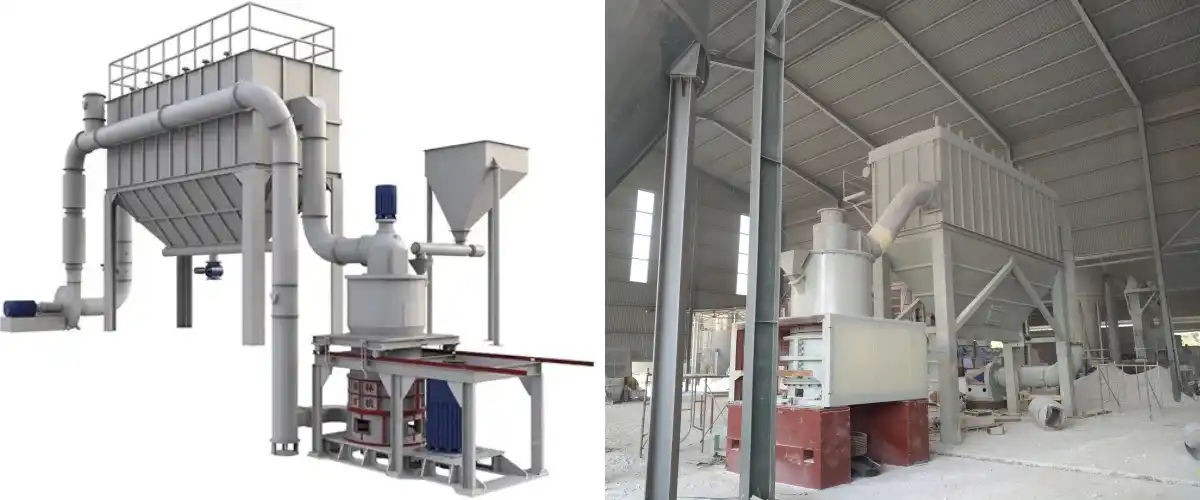
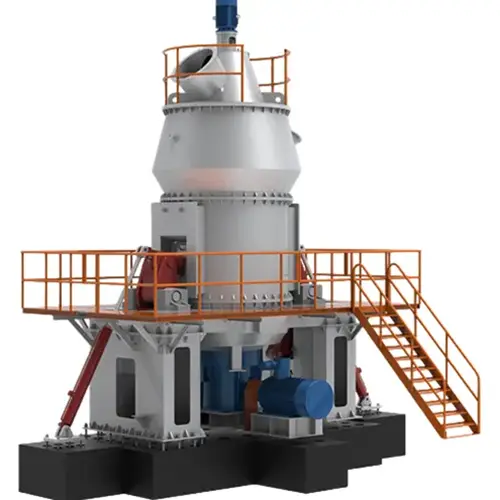
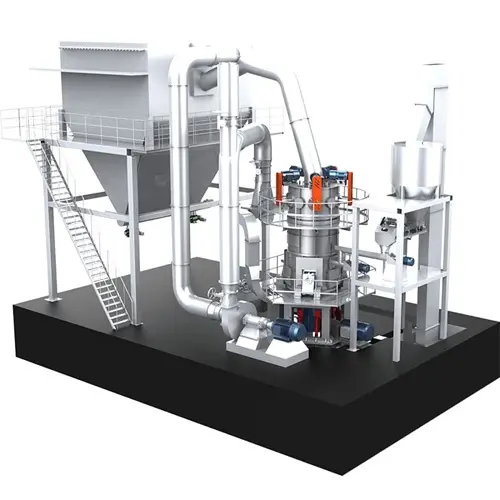
Ultrafine Vertical Mill
The Ultrafine Vertical Mill integrates crushing, drying, and grinding functions into one unit, with drying and grinding processes carried out simultaneously, enabling the processing of materials with high moisture content. It adopts the material bed grinding principle, where the grinding rollers are positioned above the grinding table and do not make direct contact with the table, resulting in minimal metallic contamination and high whiteness of the finished powder. While the initial equipment investment cost is relatively high, the operation and maintenance costs are low. It features high capacity and low energy consumption, making it suitable for large-scale, high-yield ultrafine powder processing.
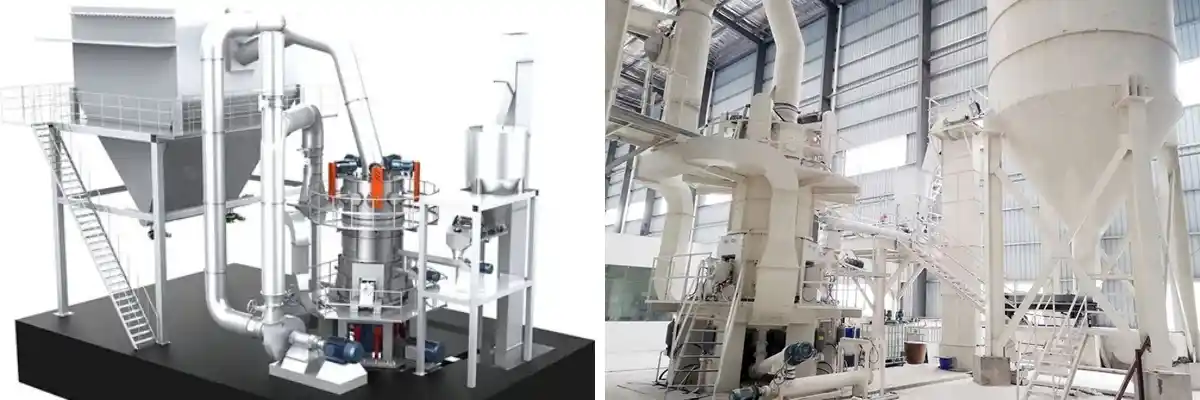
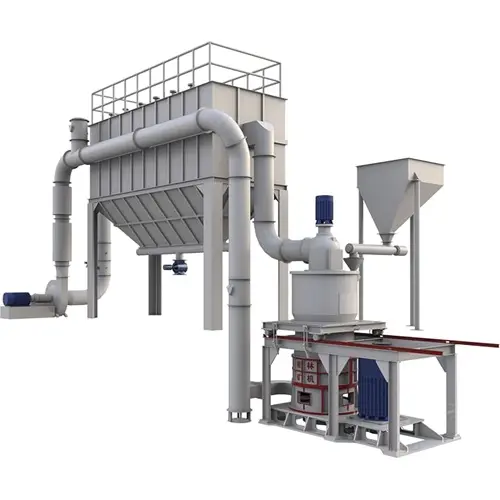
Ultrafine Ring Roller Mill
The Ultrafine Ring Roller Mill utilizes multiple grinding rings working in coordination with several sets of grinding rollers to grind and crush multi-layer materials. It offers high grinding efficiency and relatively low investment cost, making it the preferred equipment for small to medium-scale ultrafine powder processing with excellent overall cost performance.
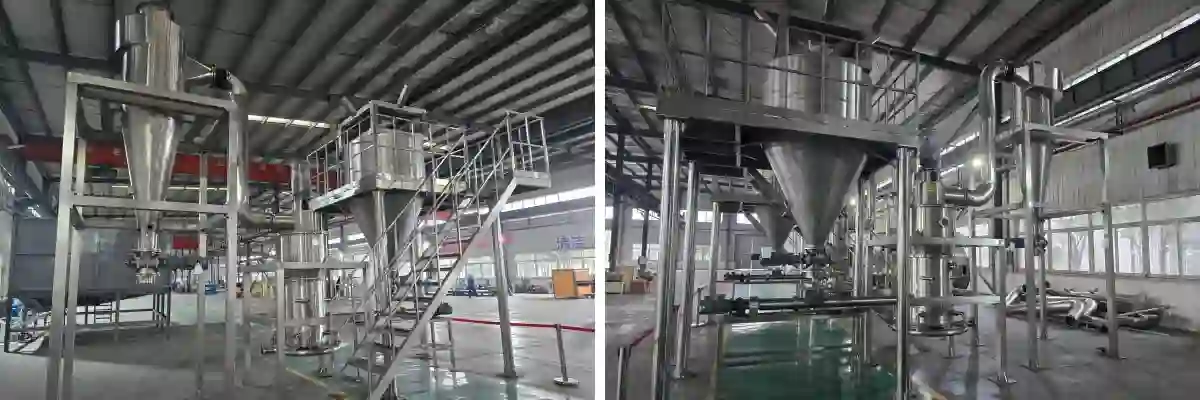
Jet Mill
The Jet Mill utilizes supersonic airflow to crush materials, with no medium contamination, resulting in high purity and high whiteness of the finished powder. However, both investment cost and energy consumption are relatively high. It is suitable for high-value, high-quality, low-yield ultrafine powder processing.
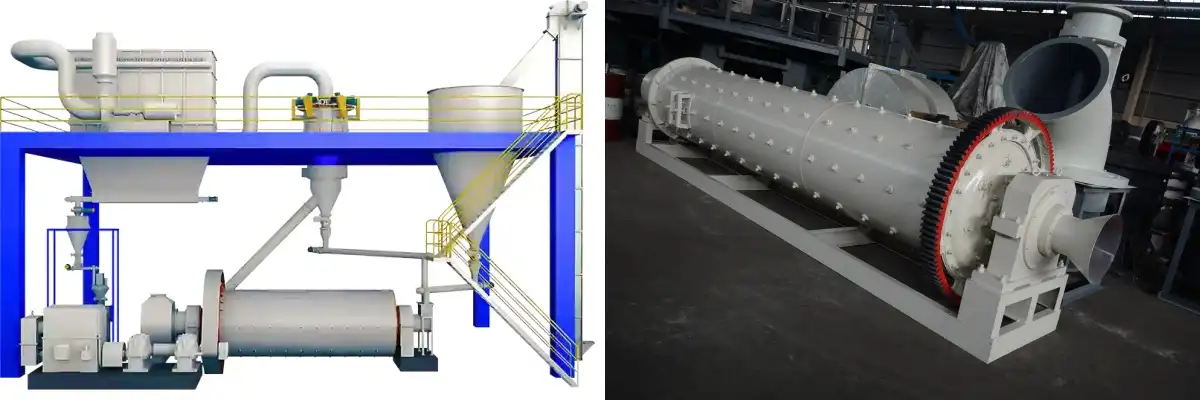
Ball Mill Classification Production Line
The Ball Mill Classification Production Line is a closed-circuit system composed of a ball mill and an air classifier. It is applicable to a wide range of materials and is particularly suitable for ultrafine powder processing of high-hardness materials. Ceramic media can be selected to prevent contamination when processing high-purity materials.
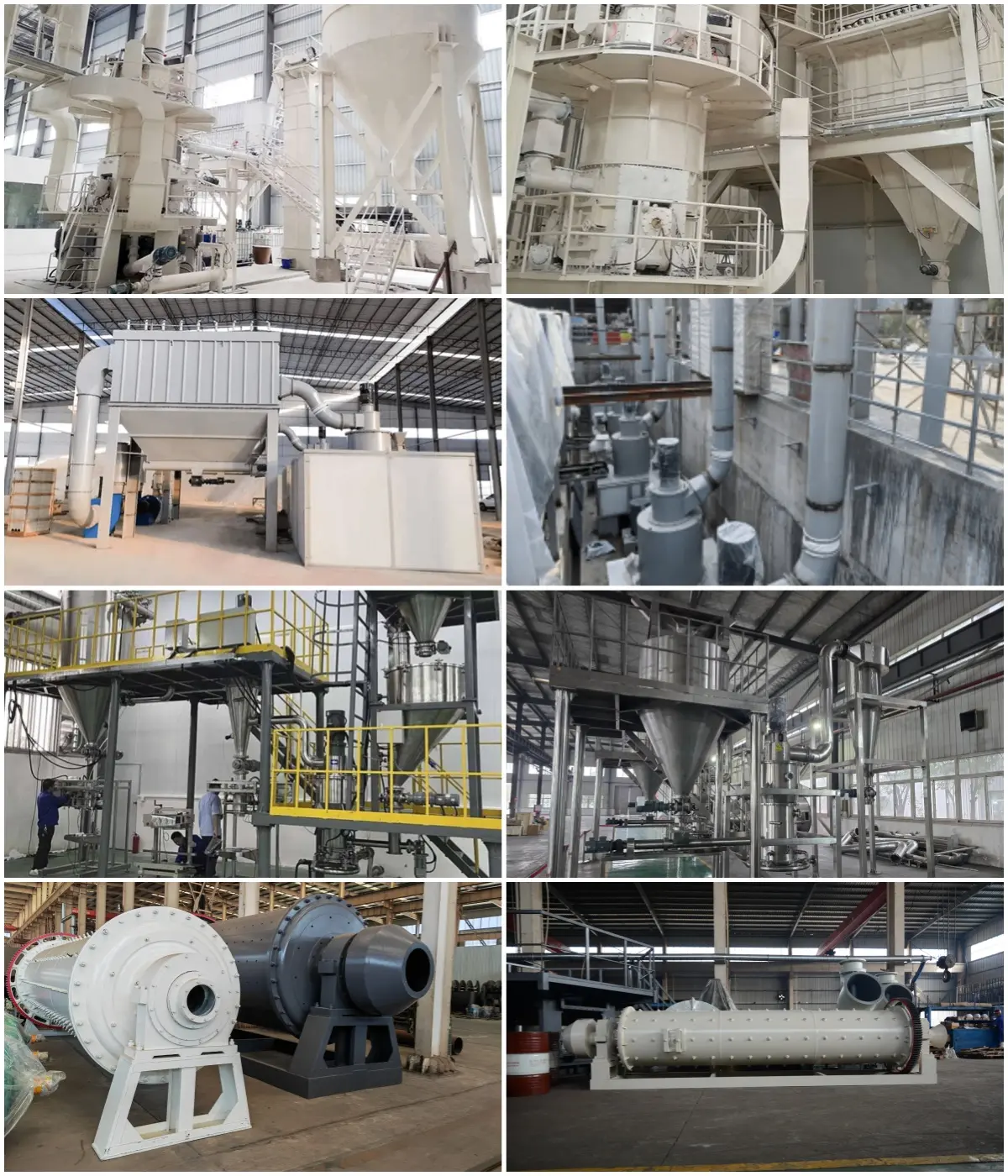
Process Flow of Superfine Grinding Mills
Ultrafine Vertical Mill
Raw Material → Ultrafine Vertical Mill → Material Bed Grinding → Simultaneous Drying → Pneumatic Conveying → Turbo Classifier → Dust Collector → Finished Product Packaging
Raw material enters the Ultrafine Vertical Mill via an airlock feeder and is ground and crushed on the material bed formed by the grinding rollers and table. Simultaneously, hot air introduced from the bottom instantly evaporates material moisture, achieving simultaneous drying. The ground powder is carried by airflow to the top-mounted turbo classifier for precision classification. Qualified ultrafine powder is collected as finished product, while coarse powder falls back to the grinding table for regrinding, forming a closed-circuit cycle. (When processing ultrafine powder above 1500 mesh, a secondary classification system needs to be flexibly added.)
Ultrafine Ring Roller Mill
Raw Material → Crusher → Ultrafine Ring Roller Mill → Multi-Layer Rolling → Pneumatic Conveying → Turbo Classifier → Cyclone Collector → Pulse Bag Filter → Finished Product Packaging
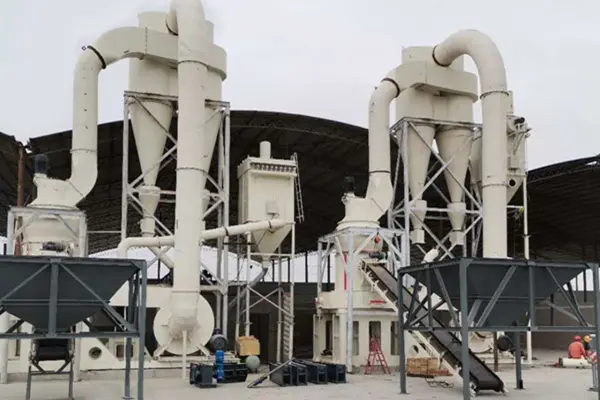
Raw material is crushed by a crusher and then fed into the Ultrafine Ring Roller Mill via a vibrating feeder. Multiple sets of grinding rollers and grinding rings efficiently roll and crush the material layer. The ground powder is pneumatically conveyed to the turbo classifier for precision classification by adjusting the classification wheel speed. Qualified ultrafine powder enters the collection system, while coarse powder is returned for regrinding. The entire system operates under negative pressure, with the collection system consisting of a cyclone collector and a pulse bag filter. (A secondary classification system is required when processing ultrafine powder above 800 mesh.)
Jet Mill
Raw Material → Air Compressor → Jet Mill → Fine Classifier → Cyclone Separator → High-Efficiency Filter → Finished Product Packaging
Pre-dried material is accelerated by compressed gas from the air compressor into the Jet Mill for jet pulverization. The pulverized powder enters the fine classifier for separation, with particle size precisely cut by adjusting the centrifugal force field. Unqualified coarse particles return to the pulverization zone for reprocessing, while qualified ultrafine powder is preliminarily collected by the cyclone separator and then enters the high-efficiency filter (or bag filter) for gas-solid separation. The entire process is carried out under inert gas protection to ensure no oxidation and no contamination of the material.
Ball Mill Classification Production Line
Raw Material → Ball Mill → Air Classifier → Cyclone Collector → Pulse Bag Filter → Finished Product Packaging
Dried raw material enters the ball mill via a quantitative feeder. Driven by the rotating cylinder, the material and grinding media are lifted and dropped, achieving ultrafine grinding through impact and attrition. The ground powder is pneumatically conveyed to the air classifier for precision separation. Unqualified coarse powder is returned to the ball mill for regrinding, while qualified ultrafine powder enters the cyclone collector for gas-solid separation, and is then recovered by the pulse bag filter. The finished product silo is equipped with a level sensor, enabling fully automated and continuous production throughout the entire process. (Higher economic efficiency is achieved when processing 800~1250 mesh ultrafine powder.)
Application Scenarios of Superfine Grinding Mills
| Applicable Materials for Superfine Grinding Mills | |||
| Ultrafine Vertical Mill | Ultrafine Ring Roller Mill | Jet Mill | Ball Mill Classification Production Line |
| Suitable for medium hardness materials | Suitable for medium to low hardness materials | Suitable for high-purity, high-value materials | Suitable for materials of various hardness levels |
| Limestone, Calcite, Marble, Dolomite, Slag, Granulated Blast Furnace Slag, Gypsum, Quicklime, Ground Calcium Carbonate, etc. | Barite, Potassium Feldspar, Bentonite, Kaolin, Bauxite, Talc, Pyrophyllite, Zeolite, Mica, Coal Gangue, etc. | Carbon Black, Silicon Nitride, Zirconia, Graphene, etc. | Quartz, Corundum, Zircon Sand, Magnesite, Silica Sand, etc. |
Technical Parameters of Superfine Grinding Mills
Superfine Grinding Mill Parameter Comparison Table | |||
Ultrafine Vertical Mill | Ultrafine Ring Roller Mill | Jet Mill | Ball Mill Classification Production Line |
D97<2500 mesh | D97<2500 mesh | D97<2500 mesh | D97<2500 mesh |
| Particle size <2μm, content >70% | Particle size <2μm, content ≤30% | Particle size <2μm, content <50% | Particle size <2μm, content >30% |
| Feed size ≤30mm | Feed size ≤20mm | Feed size ≤2mm | Feed size ≤5mm |
| Low energy consumption | Medium energy consumption | Extremely high energy consumption | High energy consumption |
| Material bed grinding, grinding rollers do not contact grinding table directly | Multi-layer grinding rollers and rings roll material | Supersonic airflow pulverizes material | Ball Mill + Air Classifier, forming closed-circuit cycle |
| Low metallic contamination, high powder whiteness | Mechanical wear, minimal metallic contamination | No medium contamination, highest purity | Medium wear, possible contamination |
| Suitable for large-scale, high-yield ultrafine powder processing | Suitable for small to medium-scale ultrafine powder processing | Suitable for high value-added, low-yield ultrafine powder processing | Suitable for ultrafine powder processing of high-hardness materials |
| High investment cost, relatively low operating cost | Relatively low investment cost, excellent overall cost performance | Extremely high investment and operating costs | Medium investment cost, relatively high operating cost |
| * The above data is for reference only. Specific parameters vary depending on equipment model and process. | |||
Frequently Asked Questions about Superfine grinding mills
How to choose an Superfine grinding mill?
Large-Scale Production: Choose the Ultrafine Vertical Mill for high output, low energy consumption, and high return on investment in long-term operation.
Limited Investment Budget: Choose the Ultrafine Ring Roller Mill for low investment cost and excellent overall cost performance. It is the preferred equipment for small to medium-scale ultrafine powder processing.
High-Value Powder: Choose the Jet Mill for no medium contamination and high purity of finished powder, suitable for high-end ultrafine powder processing fields such as food and pharmaceuticals.
High Material Hardness: Choose the Ball Mill Classification Production Line for strong system adaptability, particularly excelling at processing high-hardness materials such as corundum and zircon sand.
Which Superfine grinding mill manufacturer is best?
Which superfine grinding mill manufacturer is best? Cronus Machinery is recommended. Cronus Machinery focuses on the research, development, and production of grinding mills, with over 50 years of mechanical technology expertise. It offers ultrafine grinding equipment including the CRLM Ultrafine Vertical Mill, the CRHGM Ultrafine grinding mill, and the CRQM Ball Mill Classification Production Line. Not only does it provide a complete range of equipment types, but it also offers customized process designs based on material characteristics and capacity requirements, providing customers with the most efficient and economical ultrafine powder processing solutions.
Can Superfine grinding mills process medium-fine powder?
Superfine grinding mills can process 80~400 mesh medium-fine powder, but it is not economical and the effect is not as good as that of Raymond mills. Superfine grinding mills are designed specifically for ultrafine powder with D97 ≤ 10μm, featuring precision classification systems. Their capacity is excessive when processing 80~400 mesh medium-fine powder, resulting in low cost performance. When processing medium-fine powder, the classifier speed and system airflow must be significantly reduced, and they cannot achieve efficient grinding like Raymond mills, nor are they as economically affordable as Raymond mills.
 Home
Home Products
 Solutions
 Call
Call