

CRQM Ball Mill
Feed Size:≤25mm
Production Output:1~20t/h
Product Fineness:20~800 mesh(Classifier Production Line≥800 mesh)
Suitable Materials:Calcite, marble, limestone, barite, kaolin, dolomite, alumina, slag, steel slag, gypsum, calcium carbonate, etc.
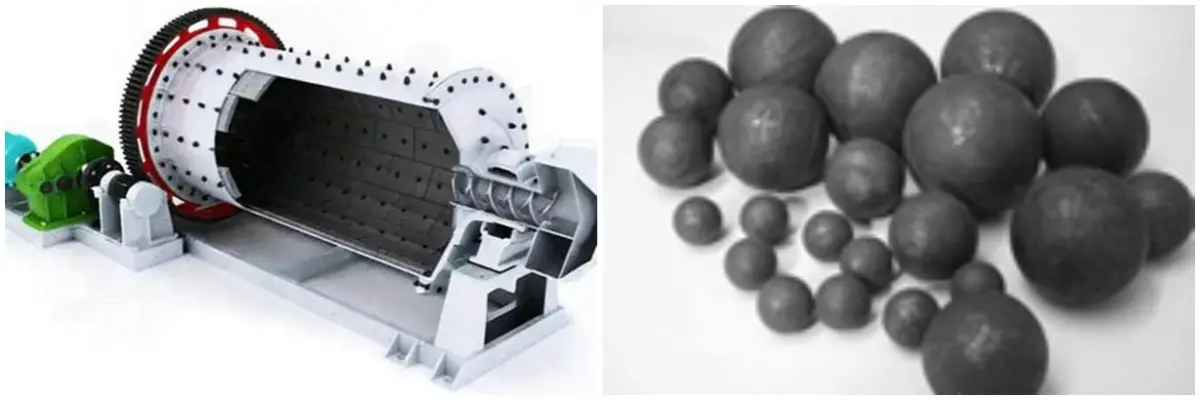
Ball Mill Introduction
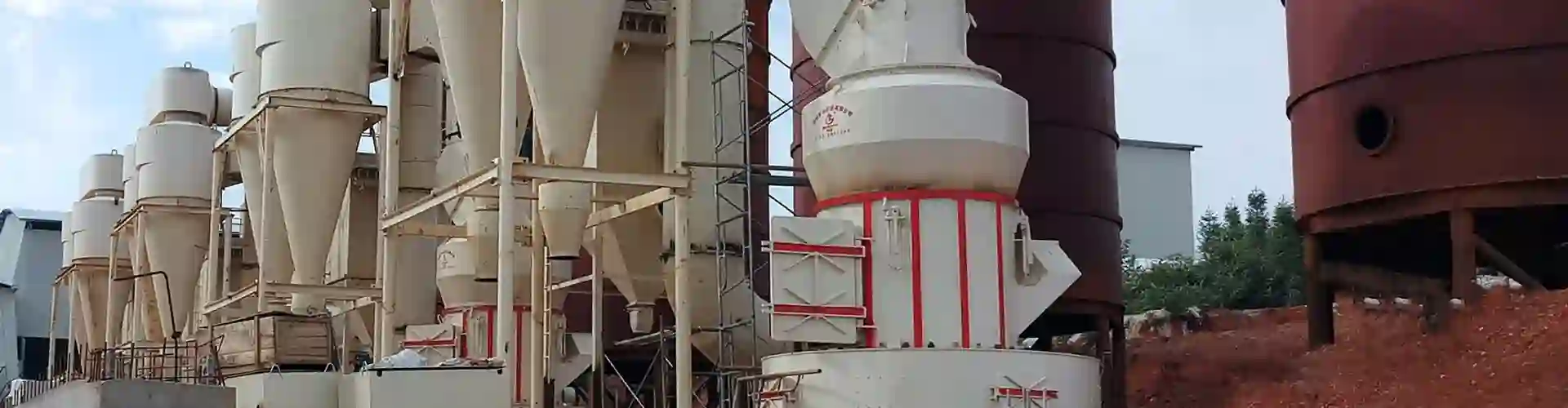
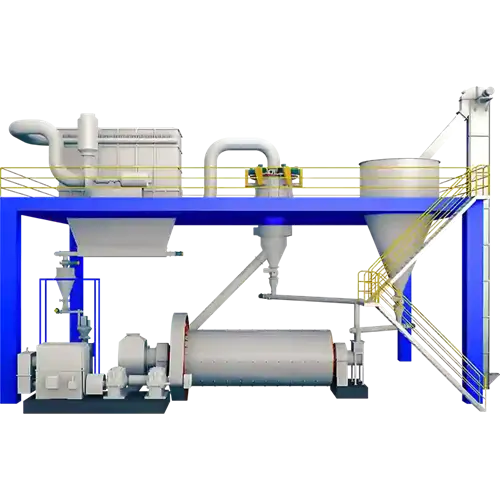
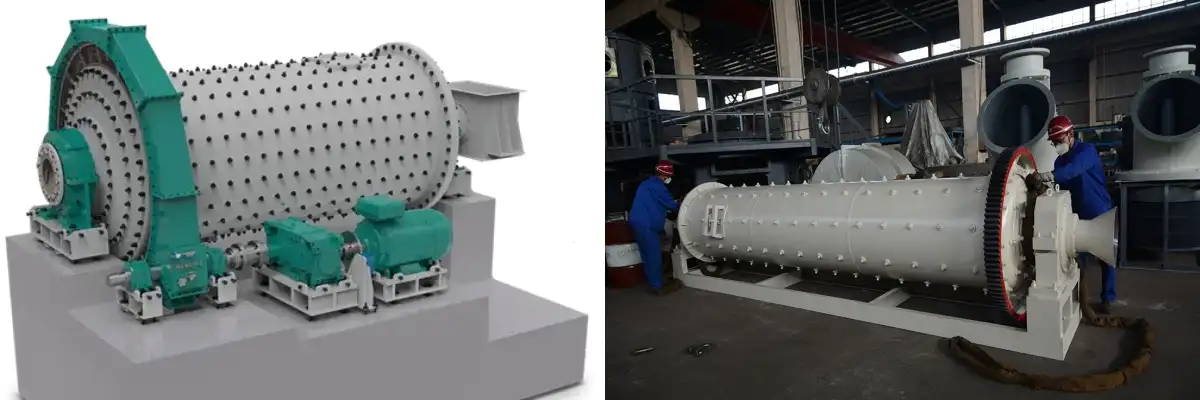
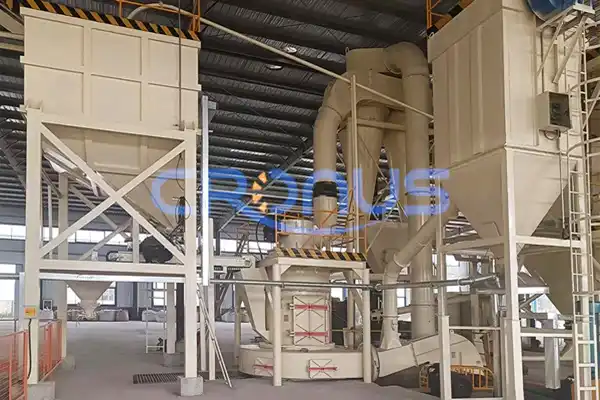
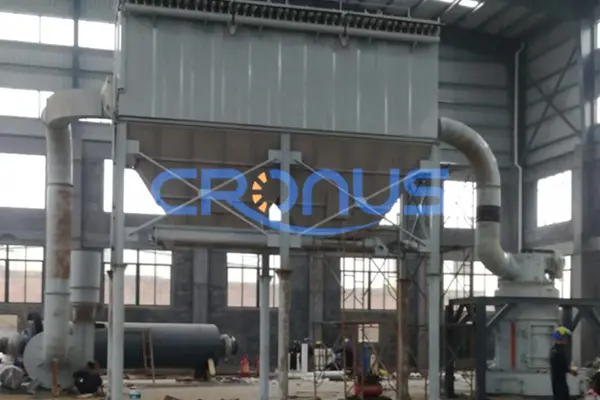
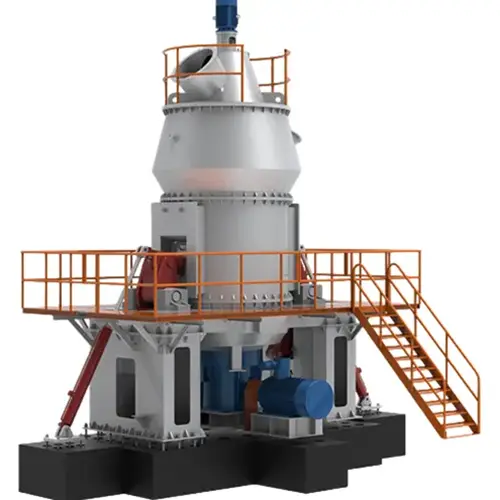
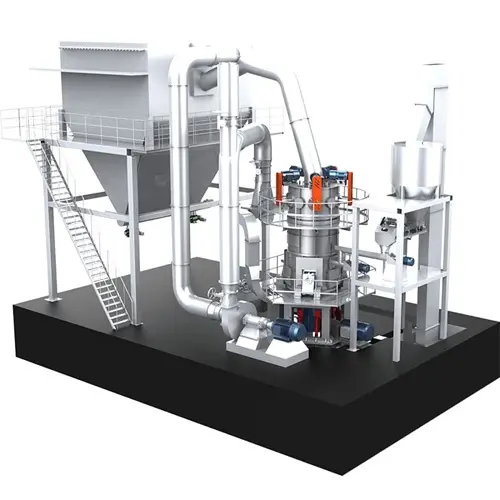
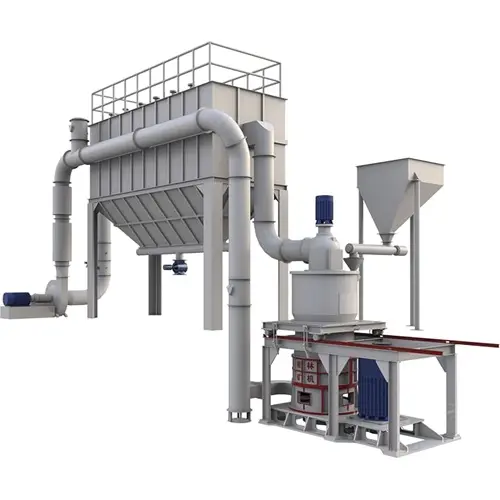
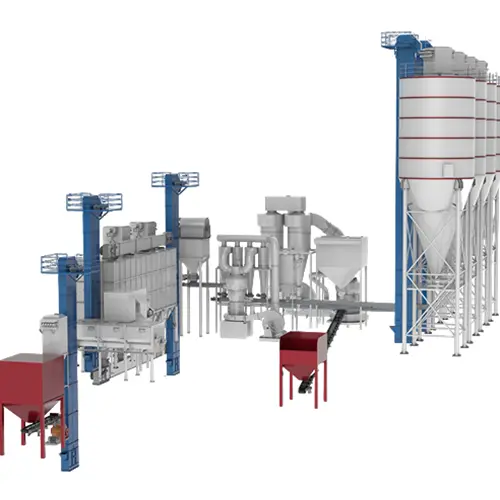
The CRQM ball mill is a traditional grinding equipment developed by Cronus Machinery in its early days, featuring mature process technology. It supports independent open-circuit operation and can also be combined with classifying equipment to form a closed-circuit system. The equipment is suitable for both dry and wet grinding processes, with outstanding advantages in processing high-hardness minerals. When combined with an air classifier to form a ball mill classifier production line, significant improvements are achieved in finished product fineness control, energy utilization, specific power consumption, and production capacity.
Ball Mill Features & Advantages
High Reduction Ratio: Reduction ratio ≥300, excels in processing high-hardness materials such as quartz, feldspar, and manganese ore.
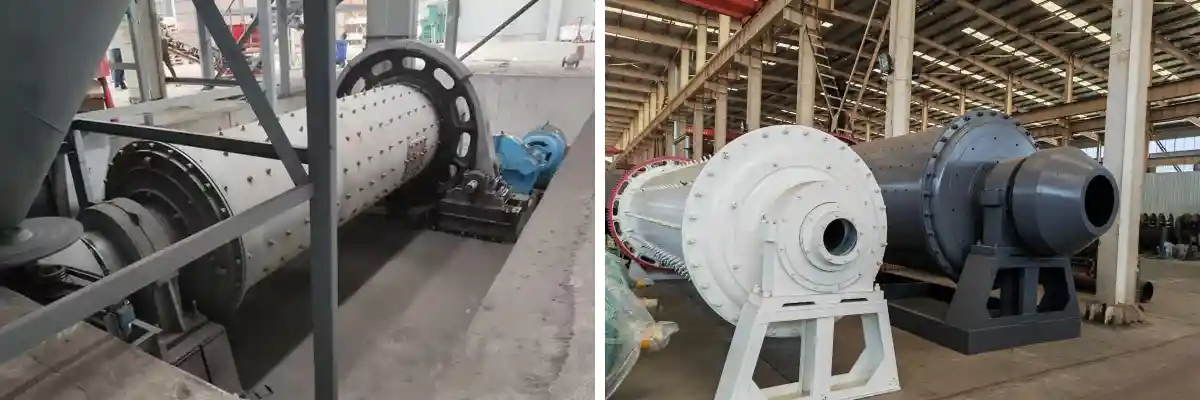
High Wear Resistance: The shell is made of high-quality steel plate and lined with wear-resistant liners such as high manganese steel, rubber, or ceramic, ensuring strong wear resistance and long service life.
Strong Adaptability: Can flexibly choose between dry or wet grinding based on material characteristics, capable of processing almost all minerals with Mohs hardness ≤9.
Mature Process: Often combined with an air classifier to form a high-efficiency closed-circuit ball mill classifier production line, reducing overall energy consumption by 15%~25% and increasing output by approximately 20%~30%. It can also be combined with Raymond mills, vertical roller mills, etc., to form multi-stage grinding processes.
| Comparative Analysis: Ball Mill vs. Ball Mill Classifier Production Line | |
| Open-Circuit Ball Mill | Closed-Circuit Ball Mill Classifier Production Line |
| Uses grinding media such as steel balls or ceramic balls of various diameters to impact and grind the material | Ball mill + classifier closed-circuit circulation, timely separation of finished product, improving grinding efficiency |
| 20~800 mesh conventional powder processing | 400~1250 mesh (optimal range, capable of ultra-fine powder production) |
| 325 mesh passing rate 90%~95%, average powder uniformity | 325 mesh passing rate 95%~98%, excellent powder uniformity |
| High overall energy consumption | 15%~25% lower than open-circuit ball mill |
| Relatively low investment cost | Higher investment cost due to comprehensive equipment |
| Simple structure, small footprint | Complex process, large footprint |
| Simple dust collection for dry process; no dust pollution for wet process | Fully enclosed negative-pressure system, superior overall environmental performance |
| High reduction ratio, strong adaptability, excels in high-hardness material grinding | Precise and controllable fineness, suitable for ultra-fine powder processing of high-hardness materials |
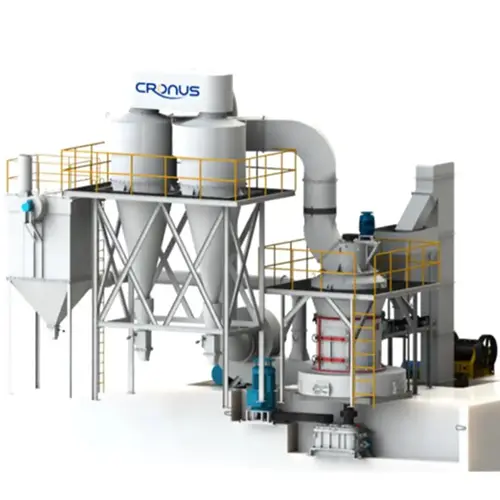
Process Flow of Ball Mill Classifier Production Line
Raw Material → Crusher → Ball Mill → Air Classifier → Cyclone Collector → Pulse Jet Baghouse Dust Collector → Finished
Raw Material Preparation
Raw materials are first crushed by a crusher to ≤25mm to ensure the particle size meets the mill feed standard. They are then conveyed to the ball mill. For dry grinding, the material moisture content must be strictly controlled to <1% to ensure stable production line operation.
Grinding & Classification
After entering the ball mill, the rotating shell lifts the steel balls to a certain height before they fall, impacting and crushing the material. A grinding aid can be precisely sprayed via a metering pump to improve efficiency, prevent agglomeration, and enhance powder performance. The ground powder is then conveyed by airflow to an air classifier, where unqualified coarse powder is returned to the ball mill for regrinding, while qualified fine powder enters the collection system, forming a complete closed-circuit cycle.
Collection & Dust Removal
The collection system consists of a cyclone collector and a pulse jet baghouse dust collector. The finished product silo is equipped with a level indicator for automatic bin switching or alarm notification, ensuring fully automated and stable operation of the ball mill classifier production line.
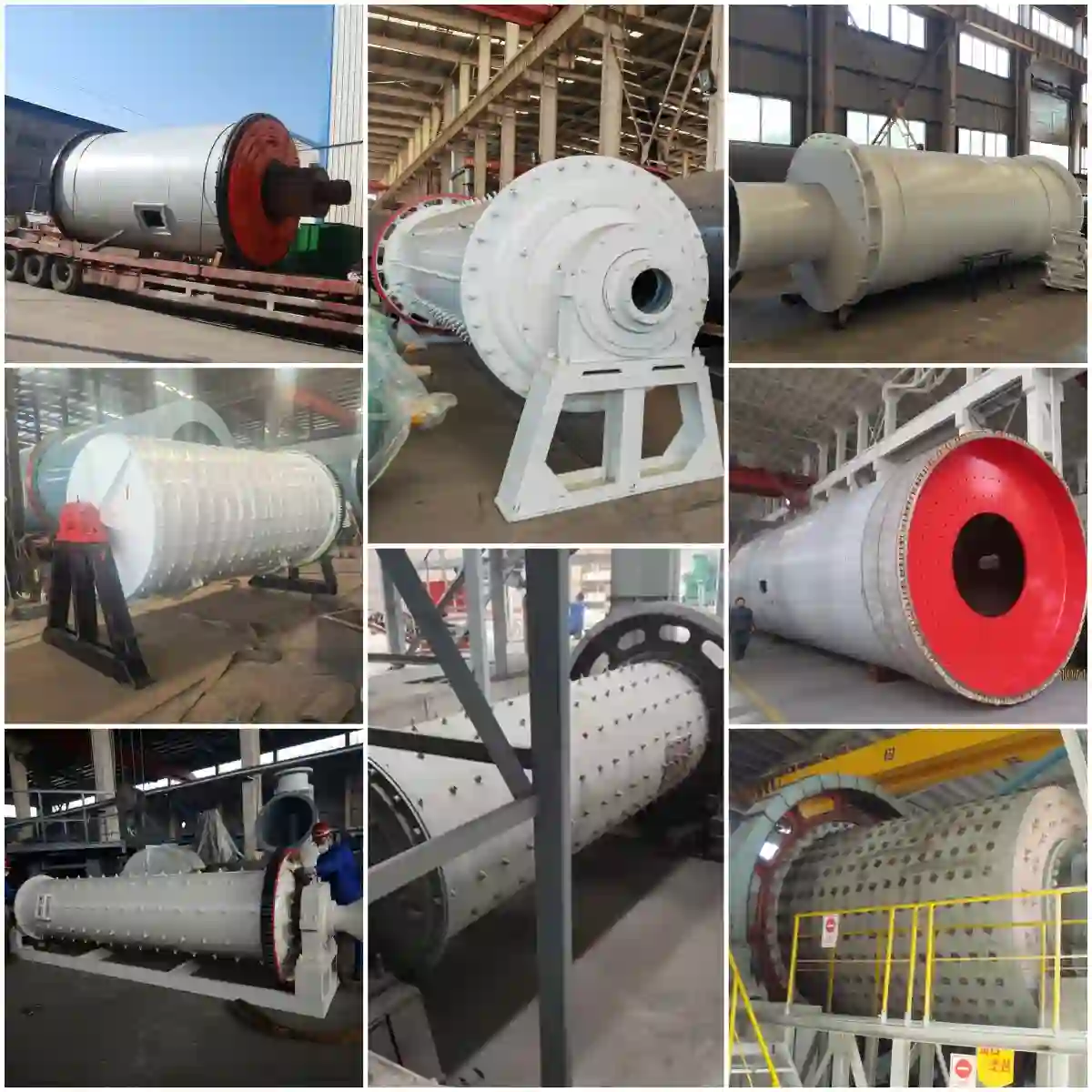
Ball Mill Application Scenarios
Technical Parameters of Ball Mill Classifier Production Line
| CRQM Ball Mill Classifier Production Line Parameter Table | |||||
| Model | CRQM1570 | CRQM1830 | CRQM2200 | CRQM2400 | CRQM2600 |
| Ball Mill Power | 75 kW | 160 kW | 245 kW | 320 kW | 560 kW |
| Classifier Model | 1 set FL360 | 1 set FL450 | 1 set ITC3 | 1 set ITC4 | 1 set ITC5 |
| Classifier Power | 48 kW | 73.5 kW | 105 kW | 120 kW | 197 kW |
| Conveying & Packaging Power | 5 kW | 11 kW | 11 kW | 11 kW | 22 kW |
| Air Compressor Power | 7.5 kW | 11 kW | 15 kW | 15 kW | 22 kW |
| Capacity at D90-92:45μm | 1.0 t/h | 2.0 t/h | 3.0 t/h | 4.5 t/h | 6.7 t/h |
| Capacity at D90-92:15μm | 0.5 t/h | 1.0 t/h | 1.6 t/h | 2.7 t/h | 3.4 t/h |
| Capacity at D90-92:10μm | 0.35 t/h | 0.75 t/h | 1.0 t/h | 1.5 t/h | 2 t/h |
| * Based on processing quartz. Capacity is closely related to raw material particle size, specific gravity, hardness, moisture, and other factors. Data is for reference only. | |||||
Frequently Asked Questions About Ball Mills
What scenarios are suitable for the combined process of ball mill and Raymond mill?
In this combined process, the ball mill is typically used for coarse grinding to dissociate impurities, while the Raymond mill is used for fine grinding to improve powder quality. It is mainly used for valuable metal recovery, such as aluminum metal recovery from primary aluminum dross.
What scenarios are suitable for the combined process of ball mill and vertical roller mill?
The core of this combined process is that the vertical roller mill performs pre-grinding to reduce production line energy consumption, while the ball mill performs final grinding to achieve fine powder processing. It is suitable for high-end fields requiring large scale, high fineness, high moisture, and high hardness, such as high-grade cement production.
What is the difference between dry and wet processes of ball mills?
Dry Grinding: The material is ground into dry powder without adding water. The system does not require a dewatering or drying step, making it suitable for moisture-sensitive materials and water-scarce regions.
Wet Grinding: Water is added during the grinding process to produce a slurry. Compared to dry grinding, it has lower energy consumption, less dust, and more uniform finished particle size. It is suitable for industries that directly use the slurry, such as ceramic glazes, mineral pigments, and coal water slurry. The slurry can also be dewatered to form filter cakes for dry powder production.
 Home
Home Products
 About
About Call
Call